Is a Thicker Roof Always Better?
When it comes to roofing, thickness is often associated with quality and durability. Because of this, homeowners and commercial property owners often pay more for thicker roofing materials under the assumption that they offer superior protection and longevity.
While a thicker roof may indeed provide certain benefits, such as enhanced durability and resistance to wear and tear, there are broader implications of roof thickness, including its impact on structural integrity and overall performance.
About Roof Thickness
Roof thickness refers to the depth or profile of roofing materials used to construct a roof. This can vary depending on the type of roofing material chosen, such as asphalt shingles, metal roofing or flat roofing materials like modified bitumen and TPO.
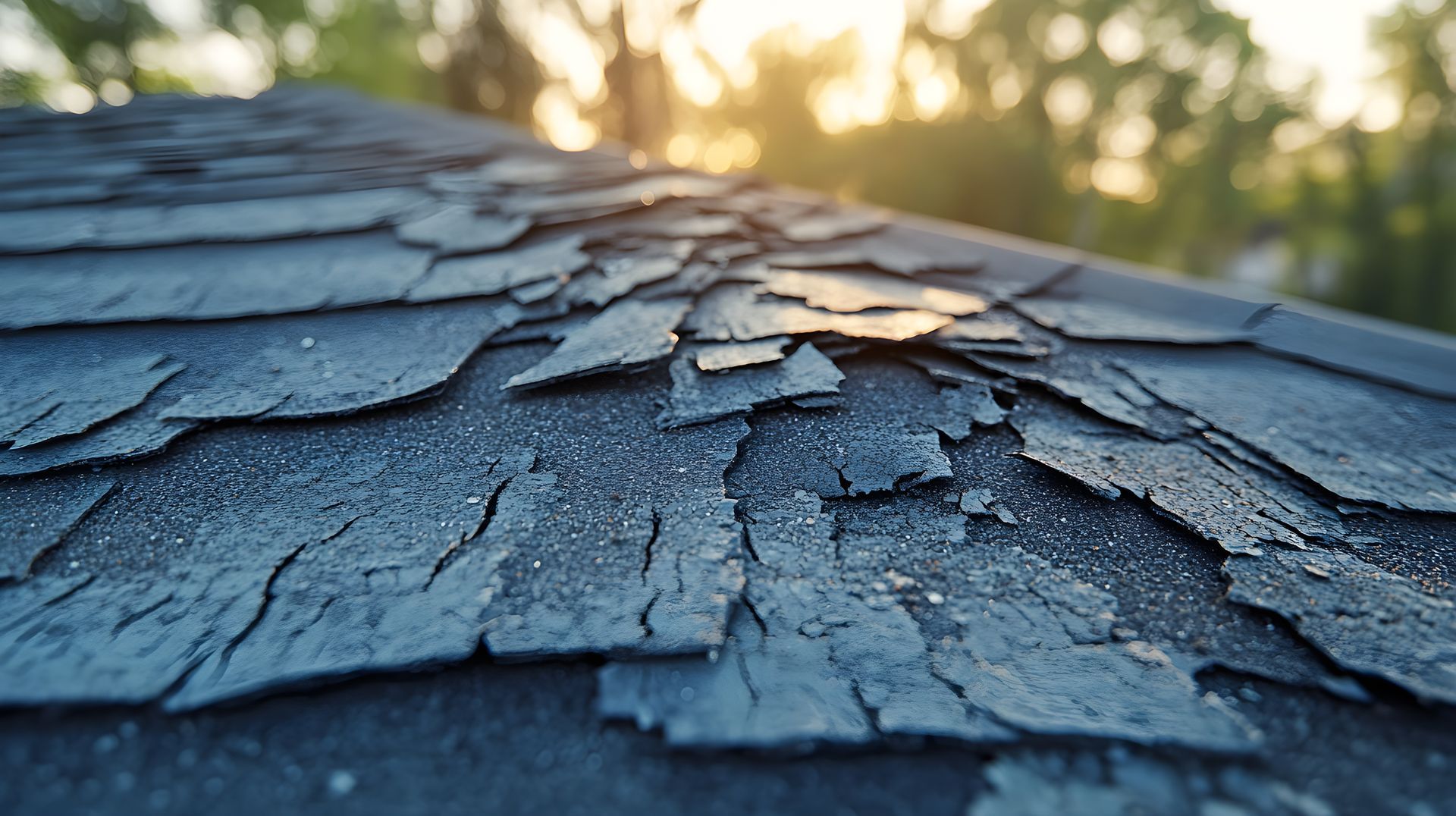
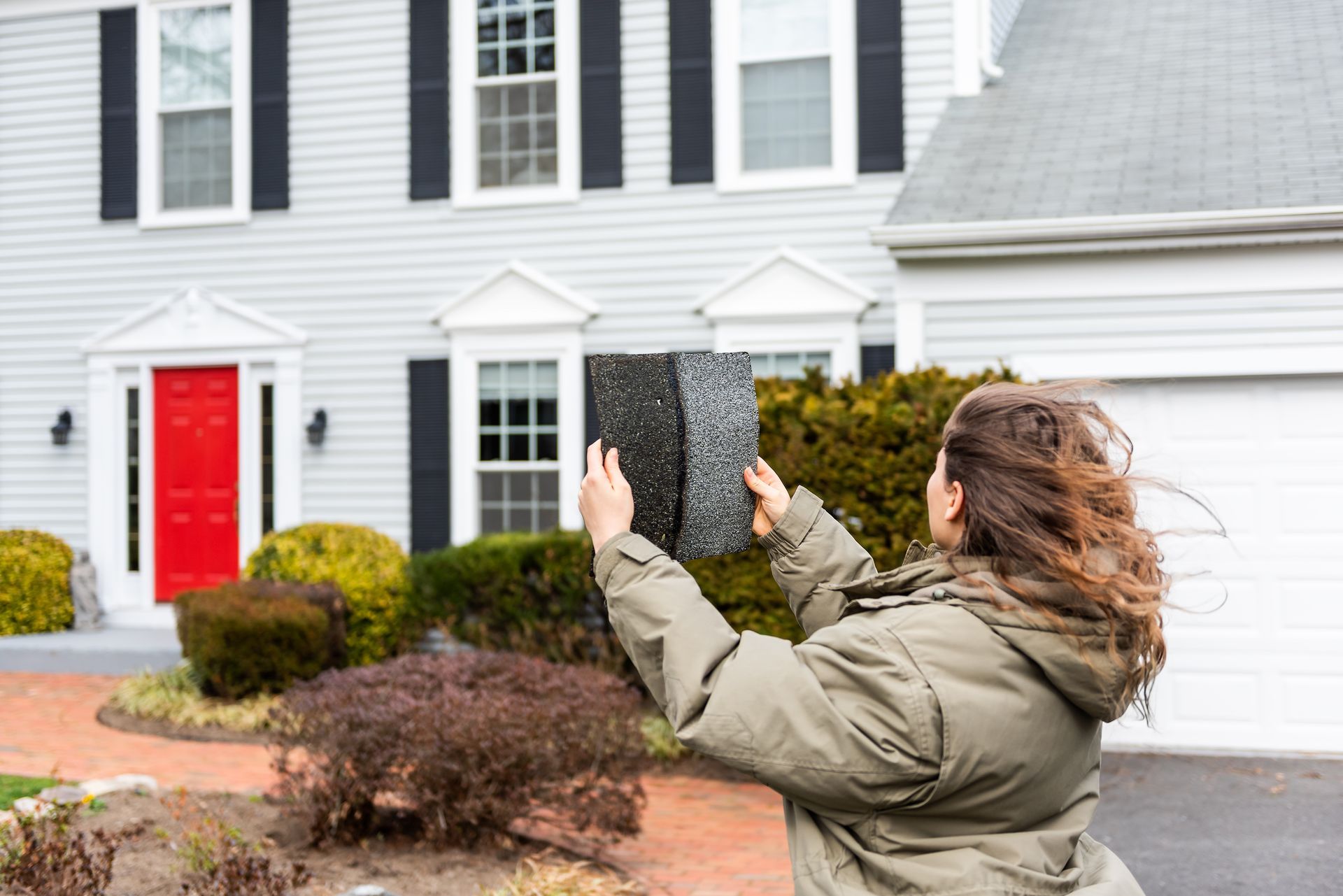
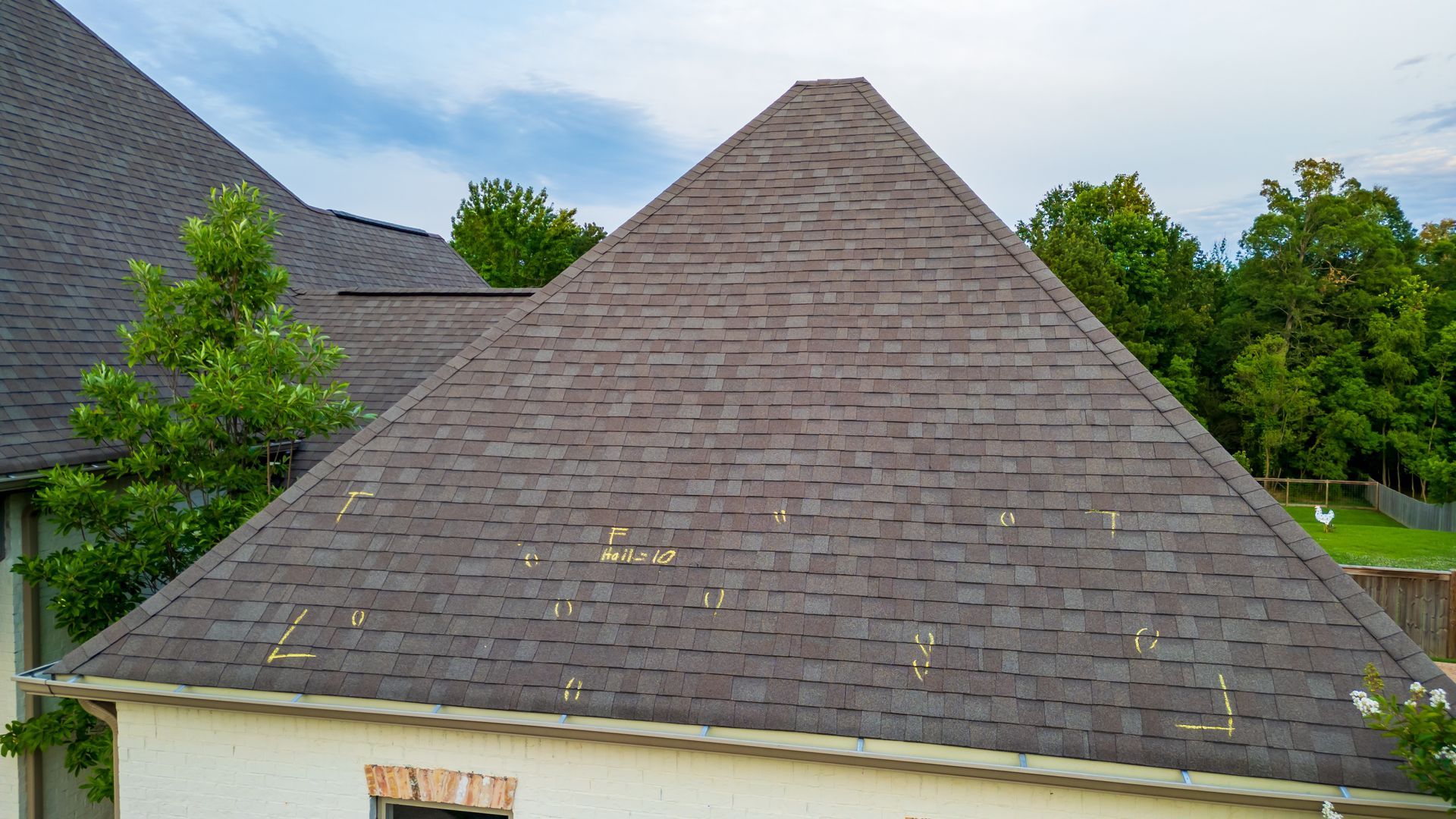
In general, thicker roofing materials offer greater durability and longevity compared to thinner options. A thicker modified bitumen or TPO roof will be more resistant to punctures or damage from foot traffic. A lower gauge standing seam metal roofing material will be thicker than a higher gauge material and is typically more resistant to dents from hail or other impacts. Thicker asphalt shingles, like architectural shingles, are more resistant to weathering and physical damage.
The Limitations of Roof Weight
While a thicker roof may offer enhanced durability, it's important to consider the structural limitations of a home when selecting roofing materials. Not all homes are built to support the weight of heavier roofing materials, such as slate or clay tiles. Factors such as the design, age and condition of the home's structure can influence its ability to withstand the added weight of a thicker roof.
In some cases, homes may require structural modifications to accommodate heavier roofing materials. This can include reinforcing the roof framing, adding additional support beams or installing stronger decking material. With that said, these modifications can be costly and may not always be feasible, especially for older homes with existing structural issues.
Thicker vs. Thinner Roofing Materials
When comparing roofing materials, it's important to consider not only thickness but also quality and performance. For example, high-quality architectural shingles are thicker and more durable than low-quality 3-tab shingles, providing better protection against the elements and longer-lasting performance.
Pros of Thicker Roofing Materials:
- Enhanced Durability: Thicker roofing materials typically offer greater resistance to wear and tear, including damage from wind, hail and UV exposure.
- Longer Lifespan:
A thicker roof is often associated with a longer lifespan, reducing the need for frequent repairs or replacement.
- Improved Insulation: Some thicker roofing materials, such as metal or tile, can provide better insulation and energy efficiency compared to thinner options.
Cons of Thicker Roofing Materials:
- Higher Cost:
Thicker roofing materials tend to be more expensive upfront compared to thinner options, which can impact the overall cost of a roof installation. Larger quantities of heavier materials can also make removal and disposal during future roof replacements more expensive.
- Structural Considerations: Homes with limited structural support may not be able to accommodate the weight of thicker roofing materials without costly modifications.
- Installation Challenges: Thicker roofing materials may require specialized installation techniques and equipment, increasing labor costs and complexity.
Choosing the Right Roof Thickness
Ultimately, the decision to opt for a thicker roof for a commercial structure or home in DFW depends on various factors, including budget, structural considerations and personal preferences. While thicker roofing materials may offer enhanced durability and longevity, they may not always be suitable for every home.
Before selecting roofing materials, always consult with a reputable roofing contractor who can assess your home's structural integrity and recommend suitable options based on your needs and budget. By carefully weighing the pros and cons of different roofing materials and thicknesses, you can make an informed decision that ensures the long-term protection and integrity of your home's roof.
Get the Most Out of Your Roof Replacement in Dallas–Fort Worth
If you’re thinking about a residential or commercial roof installation, our team at Billy Harris Roofing in DFW is here to help.
Our skilled professionals are dedicated to providing you with nothing short of the best detail-oriented roofing services.
Contact us today at (817) 249-3338 to schedule service or a roof replacement estimate.