Can New Windows Actually Reduce Outside Noise?
Many homeowners become so accustomed to outside noise that they stop noticing just how much sound enters through older windows. Traffic, barking dogs, lawn equipment, nearby construction and neighborhood activity can all become part of the background inside the home.
While replacement windows are often associated with energy efficiency, they can also help reduce outside noise. The difference is not usually complete silence, but many homeowners notice a quieter and more comfortable indoor environment after replacing aging windows.
Why Older Windows Let More Noise Into the Home
Window materials and seals gradually break down over time. Small air gaps, worn weatherstripping and thinner glass all make it easier for noise to travel indoors.
Single-pane windows were especially poor at reducing sound transfer, but even many older double-pane windows common in DFW homes can allow a distracting amount of outside noise in once seals weaken or frames shift with age.
This is one reason foggy windows and noise complaints sometimes occur together. If moisture is appearing between the panes, the insulated seal has likely failed, reducing both energy performance and sound insulation.
Homeowners often notice this most in:
- Bedrooms facing the street
- Living rooms with large windows
- Home offices
- Rooms near patios or pools
Window Seal Failure Can Make Noise Problems Worse
As window seals deteriorate, they allow more than just conditioned air to escape. Outside sound can also pass through weakened seals and small gaps around the window.
Homeowners may also notice:
- Drafts near windows
- Temperature inconsistencies
- Increased outside noise
- Windows rattling slightly during storms or high winds
In many cases, these issues gradually worsen over time rather than appearing all at once.
How Modern Replacement Windows Reduce Noise
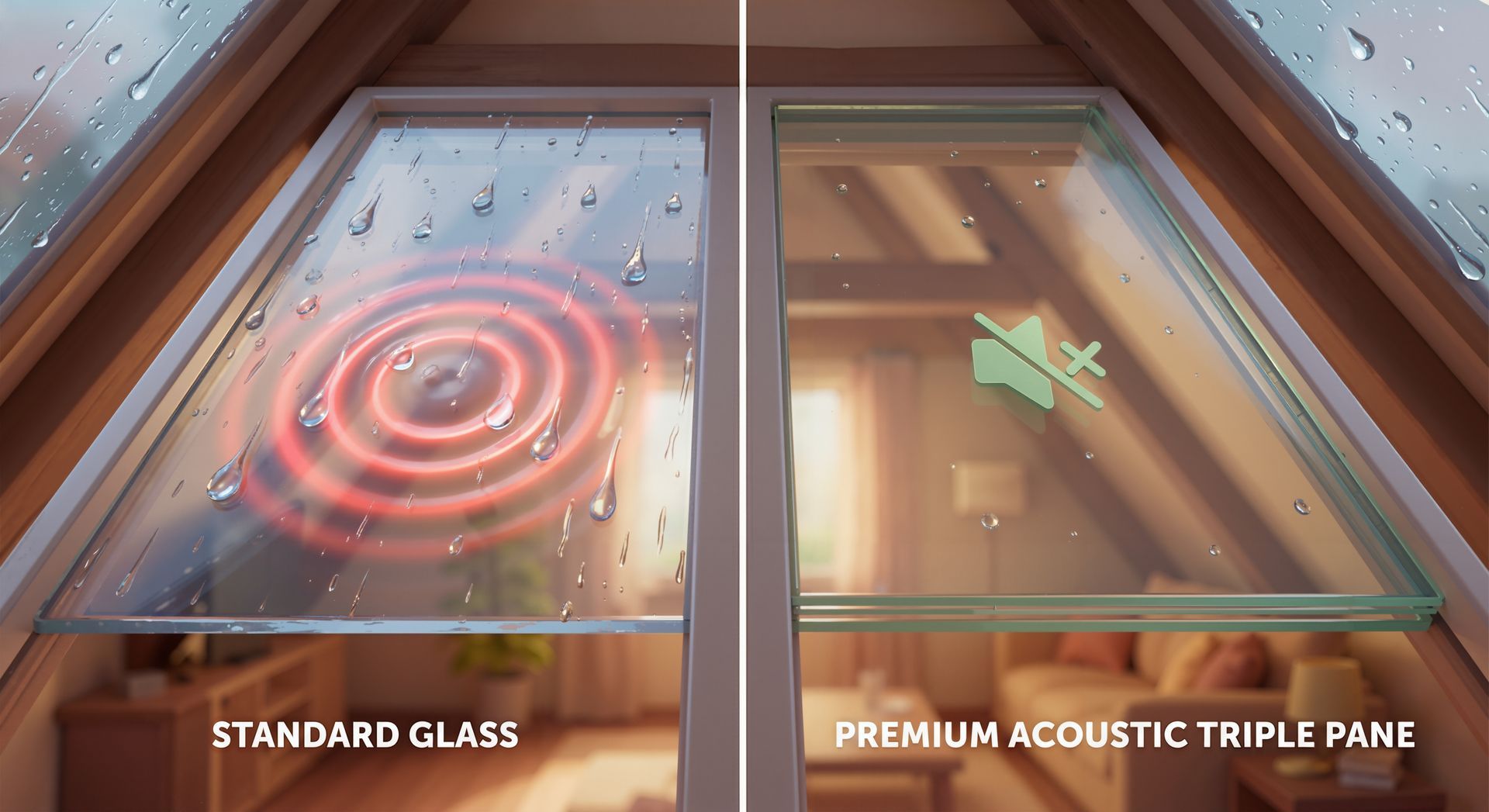
Modern replacement windows are built with tighter seals and improved frame construction that help limit both air leakage and sound transfer. Multiple panes of glass help disrupt sound vibrations before they fully enter the home.
Installation quality also plays a major role in noise reduction. Even a high-quality window can allow in extra sound from kids playing outside, lawn equipment, barking dogs or traffic if there are gaps around the frame or improper sealing during installation.
Although the improvement can be real and noticeable, even high-quality replacement windows are not soundproof, especially in busy areas. But if interior noise pollution is making your home less relaxing, investing in new windows, particularly those with superior sound blocking attributes, may lead to a significant decrease in volume.
Some Window Designs Block Sound Better Than Others
Certain replacement windows use laminated glass, which helps dampen vibration and reduce sound transmission. Different glass thicknesses can also help interrupt sound waves more effectively than standard glass configurations.
Seal quality matters just as much as the glass itself. Even small openings around a window frame allow outside sound to travel indoors more easily.
Triple-pane windows also offer more robust sound damping, but they are quite a bit more expensive than double-pane windows. The marginal improvement in noise reduction and efficiency may not justify the added cost for most DFW households.
For many homeowners in Dallas–Fort Worth, modern double-pane replacement windows already provide a noticeable improvement over older windows without needing more specialized products.
When Replacement Windows May Make Sense
Replacement windows are often worth considering when homeowners experience multiple issues at the same time rather than noise alone. Signs it may be time to evaluate your windows include:
- Fogging between panes
- Drafts near windows
- Difficulty opening or closing windows
- Rising energy costs
- Increased outside noise
- Aging or deteriorating frames
A professional evaluation can help determine whether the problem is related to the windows themselves or another issue affecting the home.
Schedule a Replacement Window Evaluation in Benbrook or DFW
Billy Harris Roofing provides professional replacement window services for homeowners throughout Benbrook and the Dallas–Fort Worth area. Our team can evaluate your current windows, explain your replacement options and help you choose solutions that improve comfort, efficiency and long-term performance.
Call Billy Harris Roofing at (817) 249-3338 or (800) 320-6074 to schedule a replacement window consultation today.