Why Your Gutters Still Overflow After Cleaning
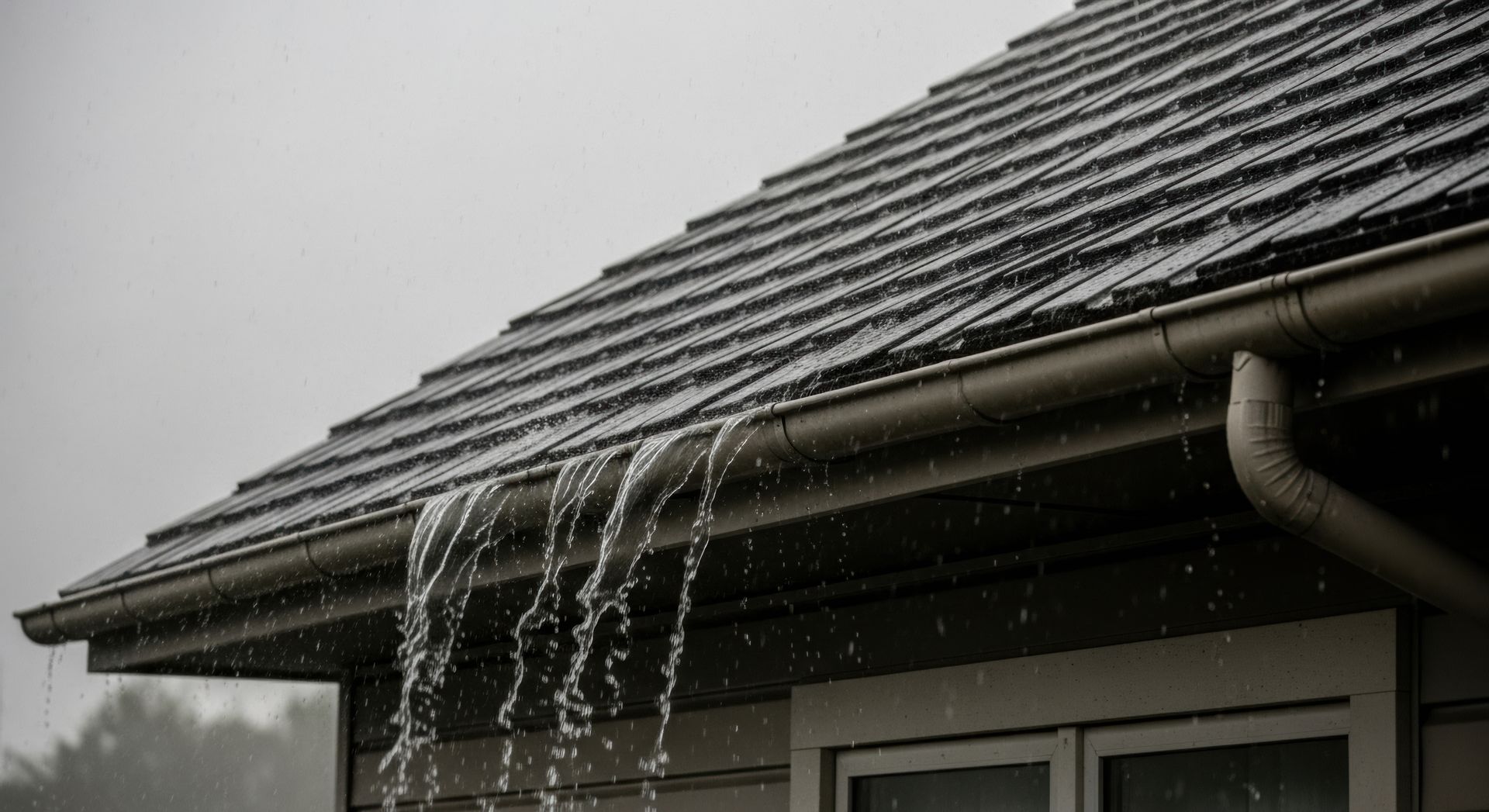
You cleaned your gutters. Maybe you even flushed them with a hose and watched the water run through the downspouts. So why are they still overflowing during the next storm?
If you’re dealing with repeat overflow after cleaning, the issue usually isn’t debris; it’s design, installation or structural wear. In North Texas, where heavy rain can hit fast and hard, even small drainage flaws get exposed quickly.
When Clean Gutters Still Fail
Gutters are designed to move water efficiently from your roof to designated drainage points. When they overflow despite being clean, it means water isn’t flowing the way it should.
This typically comes down to one of four issues:
- The gutters aren’t sloped correctly
- The system is pulling away from the fascia
- Sections are holding water between storms
- The fascia itself is compromised
These are structural or installation-related problems, not maintenance issues, so cleaning alone won’t solve them.
Hanger Spacing That Allows Sagging
Gutters rely on evenly spaced hangers to maintain their shape and slope. Over time, especially after years of heavy rain and seasonal expansion, those hangers can loosen or become too widely spaced.
When that happens, sections of the gutter begin to sag.
Instead of water flowing smoothly toward the downspout, it collects in low spots. Once enough water builds up, it spills over the front edge, even if the gutter is completely free of debris.
You might notice:
- Visible dips or waves along the gutter line
- Overflow concentrated in the same spots every storm
- Fasteners pulling away from the fascia board
This isn’t something cleaning fixes. It requires re-securing or re-spacing the hangers to restore proper alignment.
Gutters Pitched the Wrong Direction
Gutters are designed with a subtle slope that guides water toward the downspouts while still appearing level from the ground. If sections are pitched incorrectly, water flows the wrong way or gets trapped in the middle.
This can happen due to:
- Poor original installation
- Settling of the home over time
- Fascia board movement
When the pitch is off, you’ll often see water pooling instead of draining. During a heavy storm, that standing water quickly turns into overflow.
Even a small pitch error can create big problems during North Texas downpours.
Gutters That “Hold Water” Between Storms
A properly functioning gutter system should drain completely after rainfall. If water sits in the gutters long after a storm passes, something is off.
Standing water is a red flag for:
- Improper slope
- Sagging sections
- Downspouts that aren’t pulling water efficiently
This constant moisture does more than cause overflow. It adds weight to the system, accelerates wear and increases the chances of fastener failure.
Over time, that standing water turns a minor drainage issue into a structural one.
Fascia Damage That Keeps Recreating the Problem
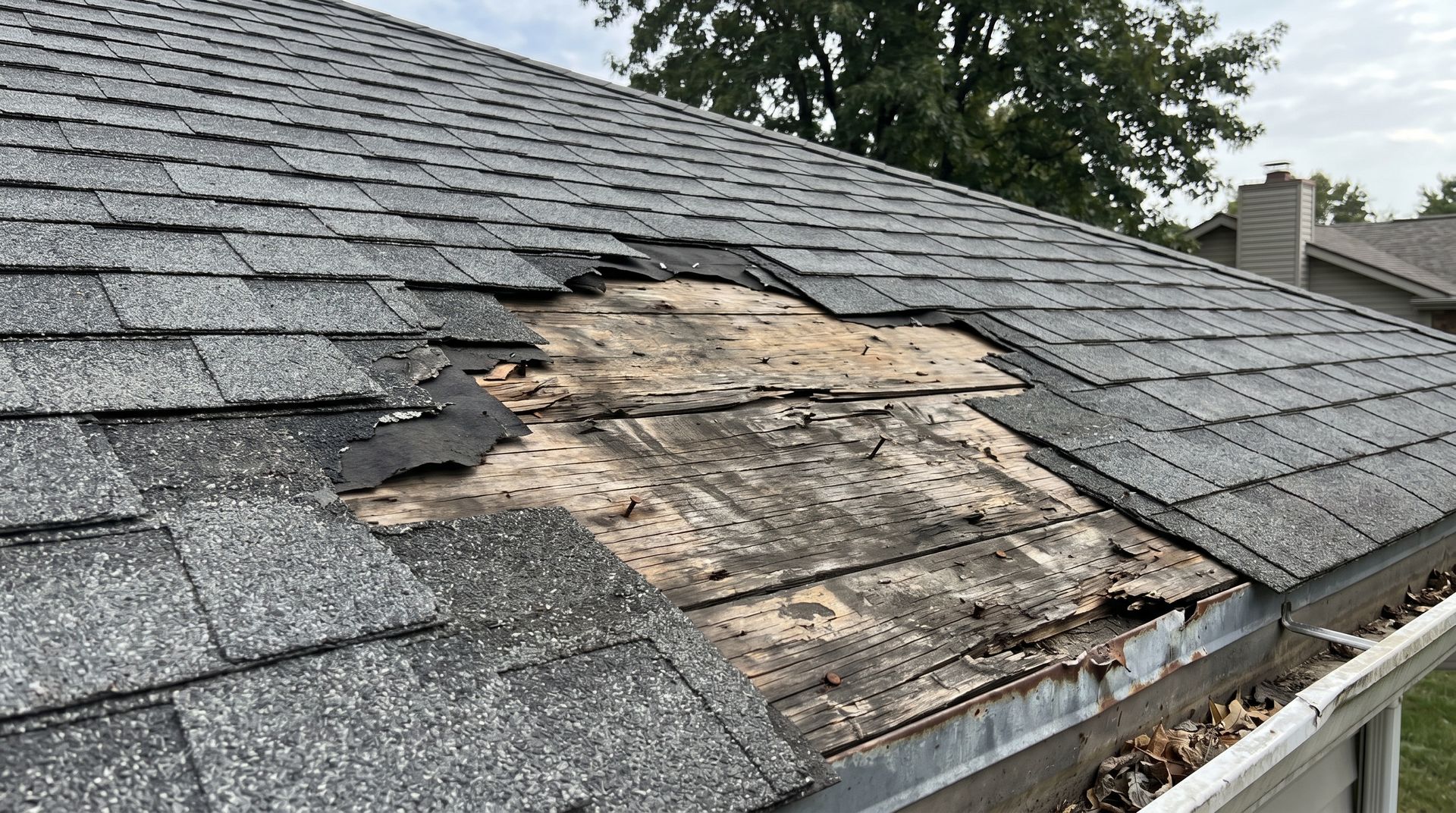
Your gutters are only as stable as the fascia board they’re attached to. If the fascia is rotting, soft or deteriorating, it can’t hold the gutter securely in place.
Even if you fix the slope or reattach the gutters, the problem will come back.
Signs of fascia-related issues include:
- Gutters pulling away repeatedly after repairs
- Soft or crumbling wood behind the gutter
- Water stains or peeling paint along the roofline
In these cases, the root problem isn’t the gutter system; it’s the structure supporting it. Until the fascia is repaired or replaced, overflow will keep happening, no matter how often you clean.
Clog Symptoms vs. Structural Drainage Problems
It’s easy to assume all gutter overflow is caused by clogs, but the symptoms are usually different if you know what to look for.
Clog-Related Overflow:
- Water spills over near downspouts
- Overflow happens inconsistently
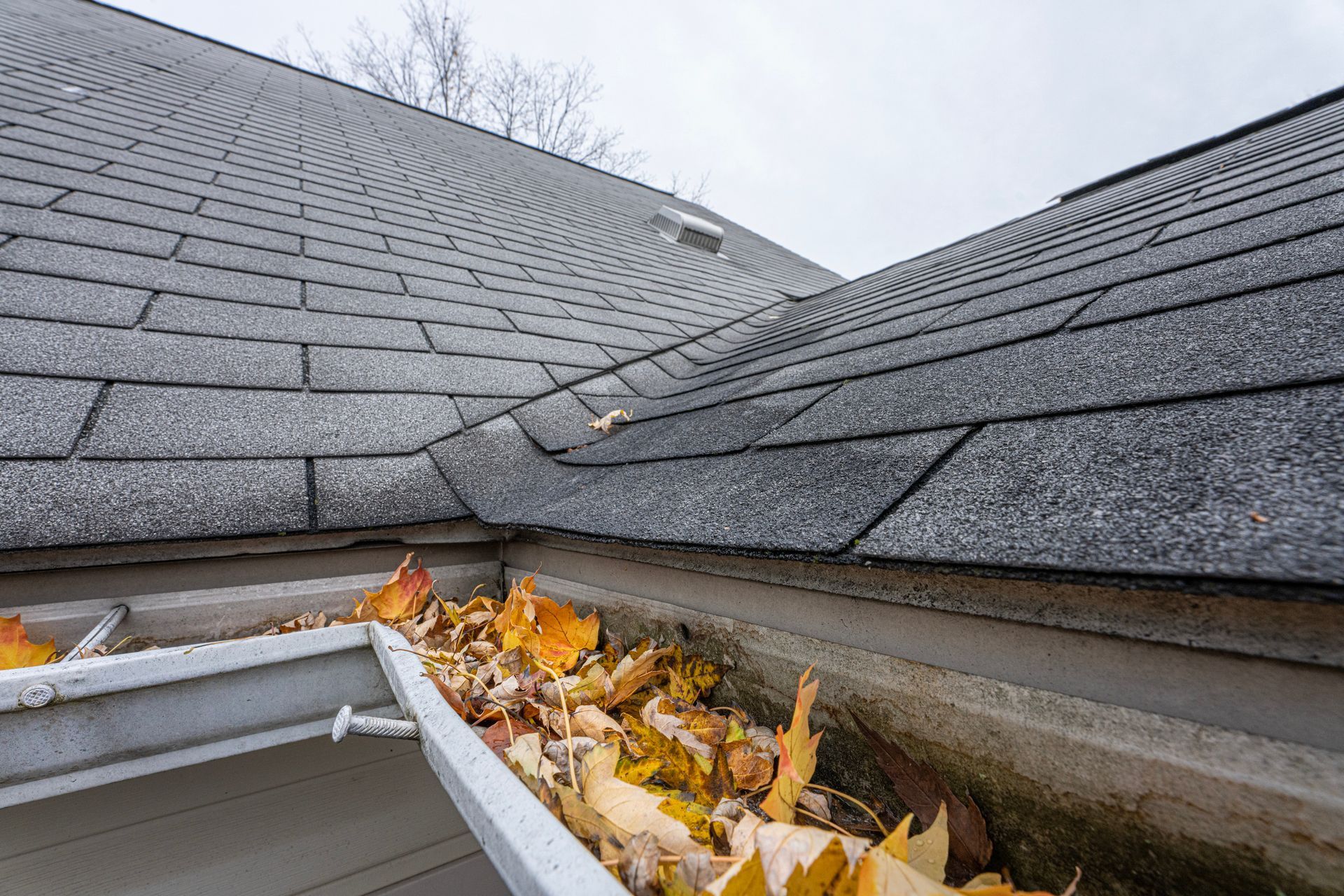
- Debris is visible in the gutters
- Cleaning temporarily fixes the issue
Structural or Drainage Issues:
- Overflow happens in the same spots every time
- Water pools in sections even after cleaning
- Gutters appear uneven or sagging
- Problems persist immediately after maintenance
If your gutters overflow right after being cleaned, you’re almost certainly dealing with a structural or installation issue, not a debris problem.
Get to the Root of Overflowing Gutter in DFW
With more than 50 years of experience serving the Dallas–Fort Worth area, our gutter professionals know how to design and repair gutter systems that hold up against Texas weather.
If you’re tired of dealing with the same overflow every storm, call Billy Harris Roofing at (817) 249-3338 or (800) 320-6074 to schedule a gutter inspection and get it fixed the right way.