Exploring Commercial Reroofing Materials
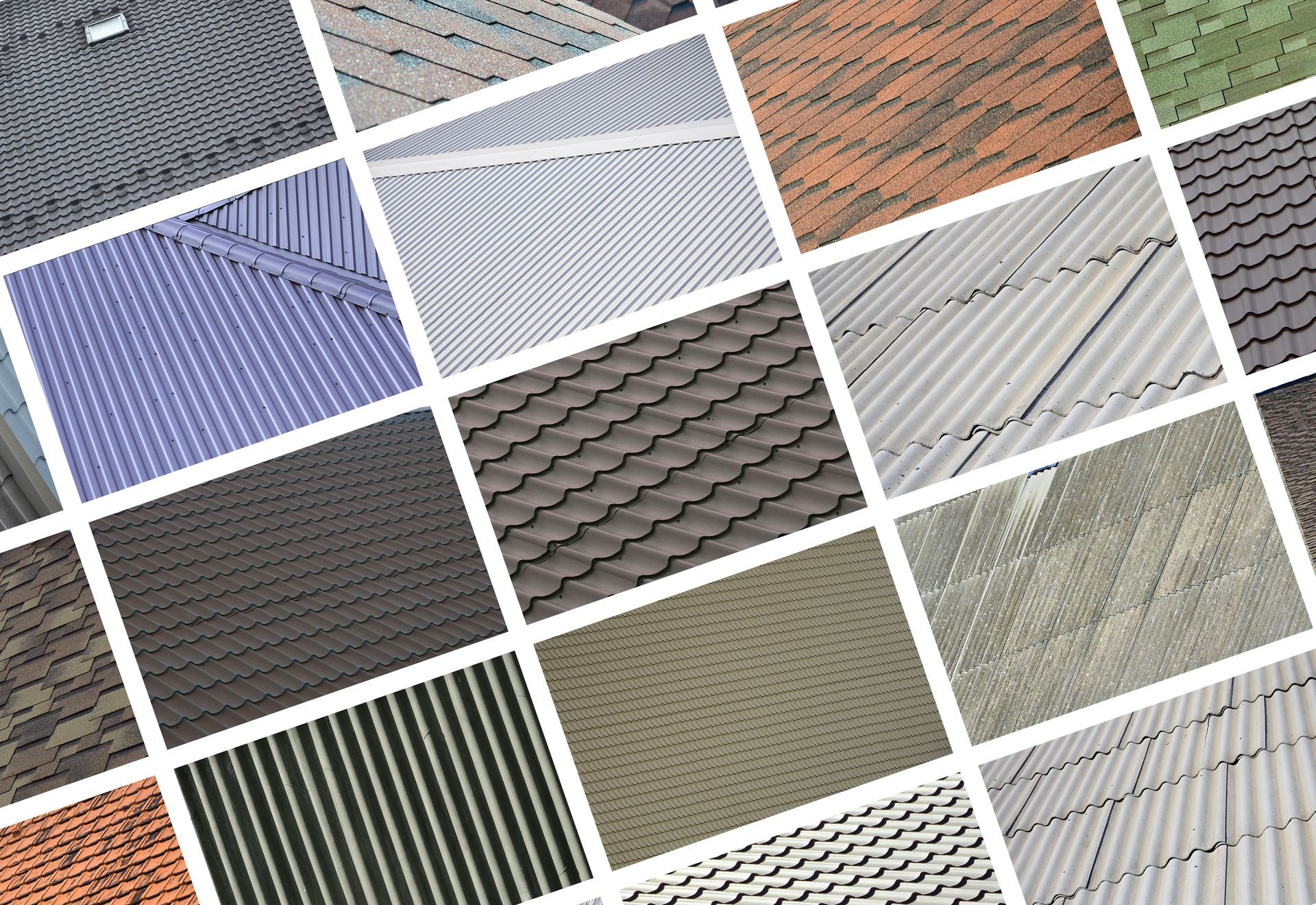
When it comes to commercial roof replacement, choosing the right materials is crucial for the long-term protection and integrity of your commercial property. Variations in durability, reflectivity, chemical resistance and installation method may make one material the preferable choice depending on the property and its intended use.
Modified Bitumen Roofing
Bitumen roofing, also known as built-up roofing (BUR), is a flat roofing method that has been around for over a century, but the modern version, modified bitumen roofing, has been a popular choice for flat roofs since the 1960s. Multiple layers of bitumen (asphalt or coal tar) are alternated with reinforcing fabrics, such as fiberglass or polyester. Bitumen roofs are typically finished with a layer of gravel or mineral granules for added durability and weather resistance.
Pros:
- Proven Durability:
Bitumen roofing systems have a long track record of durability and reliability, with some installations lasting 20 years or more.
- Cost-Effective:
Bitumen roofing is often more affordable than other flat roofing materials, making it a budget-friendly option for property owners.
- Resistance to UV Radiation: The gravel or granule surfacing of bitumen roofs provides protection against UV radiation, extending the lifespan of the roofing membrane.
Cons:
- Heavy Weight:
Bitumen roofing systems can be heavy, especially when multiple layers are applied, requiring additional structural support.
- Potential for Leaks: Seams and flashing points are potential areas for water infiltration, requiring regular maintenance and inspections to prevent leaks.
- Limited Reflectivity: Bitumen roofs have limited reflectivity, which can contribute to higher energy costs for cooling in warm climates.
TPO Roofing
TPO roofing membranes have gained popularity in recent years due to their energy efficiency, durability and ease of installation. TPO is a single-ply membrane made from a blend of rubber, ethylene propylene and polypropylene. These membranes are typically white or light-colored to enhance reflectivity and energy efficiency.
Pros:
- Energy Efficiency:
TPO roofing membranes have high solar reflectance, reducing heat absorption and lowering cooling costs for the building.
- Flexibility: TPO membranes are flexible and easy to install, allowing for a better application and fewer seams, which reduces the risk of leaks.
- Chemical Resistance: TPO roofing is resistant to chemicals, pollutants and microbial growth, making it suitable for a variety of environments.
Cons:
- Potential for Punctures: While TPO roofing is durable, punctures from sharp objects or foot traffic can occur, requiring prompt repairs to prevent leaks.
- Limited Lifespan: TPO roofing membranes typically have a lifespan of 15 to 30 years, which may be shorter than alternative roofing materials. The quality of installation and frequency of maintenance will have a significant impact on TPO roof longevity.
- Variability in Quality: The quality of TPO membranes can vary between manufacturers, so it's essential to choose a reputable brand for optimal performance and longevity.
Standing Seam Metal Roofing
Standing seam metal roofing offers a sleek and modern aesthetic along with exceptional durability and weather resistance. These roofs feature vertical metal panels with raised seams that interlock to create a watertight barrier. In addition to being a popular commercial roofing material for structures with pitched roofs, standing seam metal roofing can also offer a variety of benefits in residential roofing applications.
Pros:
- Longevity: Standing seam metal roofs are known for their longevity, with lifespans of 40 years or more when properly maintained.
- Low Maintenance:
Metal roofs require minimal maintenance and are resistant to rot, decay, and insect damage, saving property owners time and money on upkeep.
- Energy Efficiency: Metal roofing can be coated with reflective finishes to enhance energy efficiency and reduce cooling costs.
Cons:
- Initial Cost:
Standing seam metal roofing tends to have a higher upfront cost compared to other materials, although the long-term savings on maintenance and energy costs can offset this investment.
- Expansion and Contraction: Metal roofs can expand and contract with temperature fluctuations, leading to potential noise issues and stress on fasteners if not installed correctly.
- Roofs Require a Pitch: Standing seam metal roofing is typically used on pitched roofs and aren’t usually recommended for commercial structures with flat roofs.
Elevate Your Roofing Experience with Billy Harris Roofing
Ready to take your roofing project to new heights of quality and reliability? Choose Billy Harris Roofing as your trusted partner. Our team of experienced professionals is dedicated to delivering exceptional craftsmanship and unparalleled service, ensuring your satisfaction every step of the way.
Contact us today to schedule a consultation and discover why Billy Harris Roofing is the premier choice for all your roofing needs. Let's build a roof that not only protects your property but also enhances its value and curb appeal.