What Causes Foggy Windows? How to Tell If the Seal Has Failed
Most modern homes in Dallas–Fort Worth are equipped with double-pane windows. These windows are designed with two layers of glass separated by a small space filled with insulating gas, such as argon. This design improves energy efficiency by reducing heat transfer and helping maintain a consistent indoor temperature.
The key component that keeps this system functioning is the seal around the edges of the window. This seal keeps the insulating gas inside and prevents outside air and moisture from entering the space between the panes.
What Causes Foggy Windows?
Seal Failure
The most common cause of foggy windows is a broken or deteriorated seal. Over time, exposure to temperature fluctuations, UV rays and weather conditions can cause the seal to weaken or crack. Once the seal fails, moisture can seep in and condense between the panes.
Temperature Changes
Rapid shifts in temperature, especially in Fort Worth, where hot days and cool nights are a common occurrence for much of the year, can cause expansion and contraction in window materials. This repeated movement can stress the seal and eventually lead to failure.
Excess Humidity
High indoor humidity can lead to condensation on the interior surface of the glass, especially in kitchens, bathrooms or during seasonal temperature swings. However, this is different from fogging between panes. If moisture is trapped inside the window, it typically indicates a failed seal rather than a humidity issue alone.
How to Tell If the Seal Has Failed
Fog Between the Panes
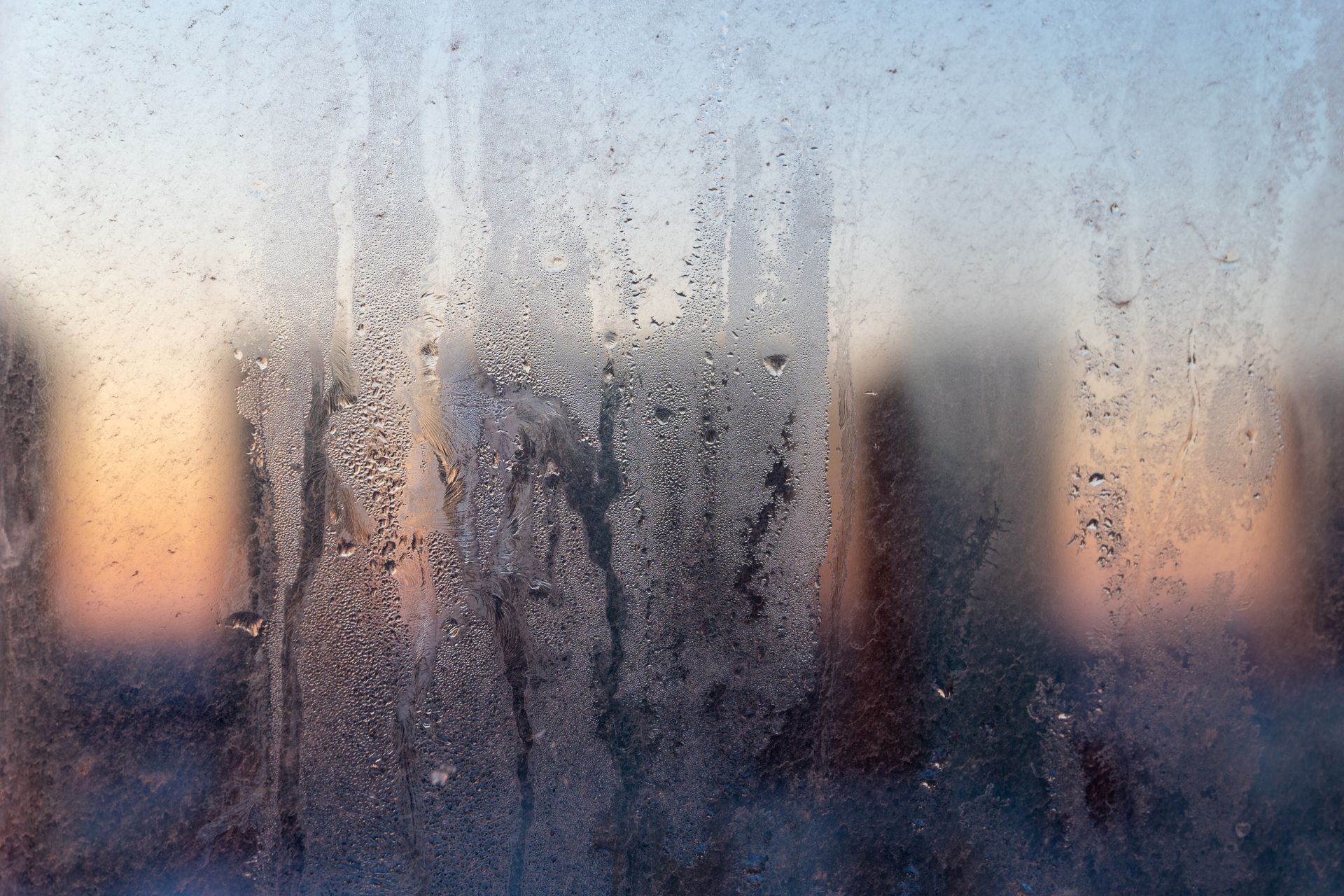
If the fog or condensation is trapped inside the window, meaning you can’t wipe it away from either the inside or outside, this is a clear sign the seal has failed.
Persistent Haze
A window that always looks cloudy, even on dry days, likely has a compromised seal. This haze can make your windows appear dirty, no matter how often you clean them.
Water Droplets Inside the Glass
Visible droplets or streaks forming between panes indicate that moisture has entered the sealed space. This is a strong indicator that the insulating barrier has been breached.
Reduced Energy Efficiency
If you’ve noticed higher energy bills or rooms that are harder to keep comfortable, your windows could be part of the problem. A failed seal allows insulating gas to escape, reducing the window’s effectiveness.
Distorted or Warped Appearance
In some cases, the glass may appear slightly warped or distorted. This can happen when the internal pressure of the sealed unit changes after the gas escapes.
Why It Matters
A failed window seal isn’t just a cosmetic issue; it can impact your home in several important ways:
- Energy Loss: Without proper insulation, your HVAC system has to work harder to maintain temperatures.
- Moisture Damage: Trapped moisture can lead to mold growth or damage surrounding materials.
- Reduced Comfort: Drafts and temperature inconsistencies can make your home less comfortable.
- Decreased Property Value: Foggy windows can negatively affect curb appeal and buyer perception when you try to sell your home.
What Are Your Options?
When a window begins to fog between the panes, replacement is typically the most practical solution. A failed seal indicates the insulated glass unit has reached the end of its lifespan. Modern replacement windows offer improved sealing, frame construction and overall performance, making replacement a more effective long-term option than trying to address a single issue.
Don’t Ignore the Signs of Broken Window Seals
Foggy windows in Benbrook and Dallas–Fort Worth homes might seem like a minor inconvenience, but they’re often an early warning sign of bigger issues. Addressing the problem sooner rather than later can save you money, improve your home’s efficiency and restore clear, beautiful views.
The team at Billy Harris Roofing is here to help with expert, efficient window replacement. With years of experience in exterior home renovations, we can assess your windows, identify the root cause and recommend the best replacement window options for your home and budget.
Contact us at (817) 249-3338 or (800) 230-6074 to schedule a free window assessment and replacement estimate.