When Siding Damage Is Just Cosmetic and When It Can Lead to Water Damage
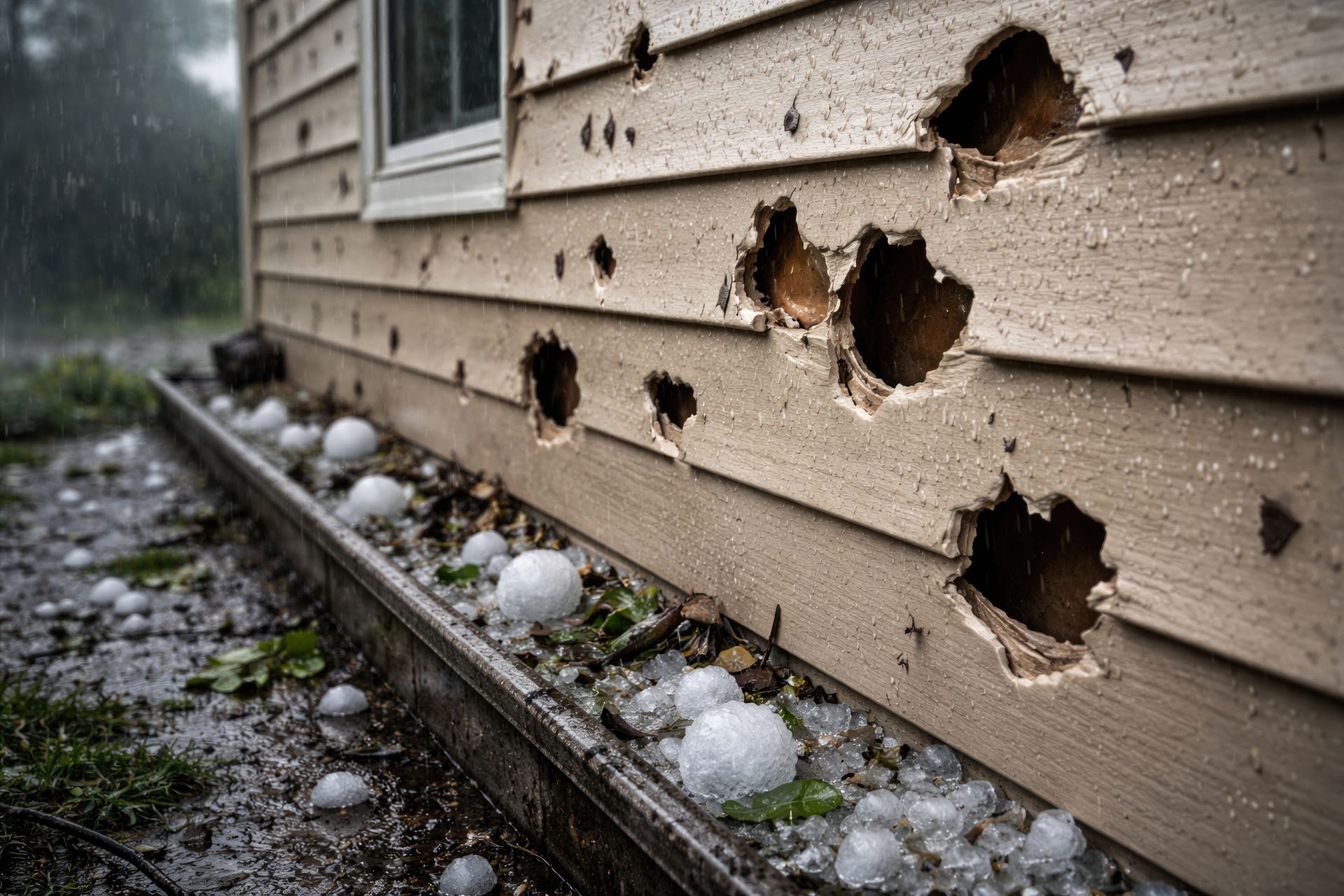
Not all siding damage is created equal. Some issues are purely cosmetic, affecting how your home looks but not how it performs. Others are early warning signs of moisture intrusion that can lead to serious structural problems if ignored.
The challenge for most homeowners is knowing the difference.
What Counts as Cosmetic Siding Damage?
Cosmetic siding damage affects appearance without compromising the protective barrier of your home. These issues are usually surface-level and don’t allow water to penetrate behind the siding.
- Fading or discoloration from sun exposure
- Chalky residue forming on older siding
- Minor scratches or scuffs from debris or everyday wear
- Slight paint peeling in isolated areas
- Small dents that don’t crack or open seams
In many cases, these issues develop gradually and are expected over time, especially in a climate like DFW’s with intense UV exposure.
While cosmetic damage doesn’t immediately threaten your home, it can still impact curb appeal and property value. More importantly, it can sometimes be the first stage of deeper wear, so it’s worth keeping an eye on.
When Siding Damage Becomes a Water Problem
The line between cosmetic and functional damage is crossed when siding stops doing its primary job: keeping water out. Signs that siding damage may be leading to water intrusion include:
- Warping or buckling panels
- Cracks that go all the way through the material
- Loose or missing sections
- Visible gaps between panels or trim
- Soft or swollen areas in the siding
- Dark streaks or moisture staining
Why Siding Leaks Are Easy to Underestimate
Siding problems do not always create immediate interior leaks or obvious water damage. In many cases, moisture enters gradually behind the exterior surface and spreads through surrounding materials over time.
Once moisture gets in, it can cause:
- Wood rot in structural components
- Mold growth that affects indoor air quality
- Insulation breakdown, reducing energy efficiency
- Damage to drywall and interior finishes
Because this damage happens out of sight, many homeowners don’t realize there’s a problem until repairs become more extensive and more expensive.
North Texas Weather Accelerates Siding Issues
The DFW climate is particularly tough on siding. Long periods of intense sun cause expansion, fading and material breakdown. Then, when storms roll through, heavy rain and wind exploit any existing weak points.
This cycle of expansion and contraction can:
- Widen small cracks into larger openings
- Loosen fasteners and panels over time
- Allow water to penetrate areas that previously seemed fine
That’s why minor siding issues in this region tend to escalate faster than homeowners expect.
Repair vs. Replacement: Making the Right Call
If the damage is truly cosmetic, repairs or maintenance, like repainting or replacing a few panels, are often enough. However, replacement becomes the smarter option when:
- Moisture damage is widespread
- Multiple panels are warped or loose
- The siding is aging and failing in several areas
- Fading or weathering can make partial replacement stand out against the rest of the home’s existing siding
- Repairs would only provide a short-term fix
A professional inspection is the best way to determine which approach makes the most sense for your home.
Don’t Wait Until Water Damage Spreads
One of the biggest mistakes homeowners make is waiting too long to address siding issues. What starts as a small problem can quietly expand behind the surface.
If you’re unsure whether your siding damage is cosmetic or something more serious, it’s worth having it evaluated sooner rather than later. Catching moisture issues early can save significant time and money.
Schedule a Professional Siding Evaluation in DFW
At Billy Harris Roofing, we’ve been helping homeowners across the Dallas–Fort Worth area protect their homes for more than 50 years. Our team knows how to identify the difference between cosmetic wear and damage that could lead to bigger problems.
If you’ve noticed changes in your siding or just want peace of mind, call Billy Harris Roofing at (817) 249-3338 or (800) 320-6074 to schedule an inspection. It’s the easiest way to make sure a small issue doesn’t turn into costly water damage.