Why Do Roof Valleys Leak More Than Other Parts of the Roof?
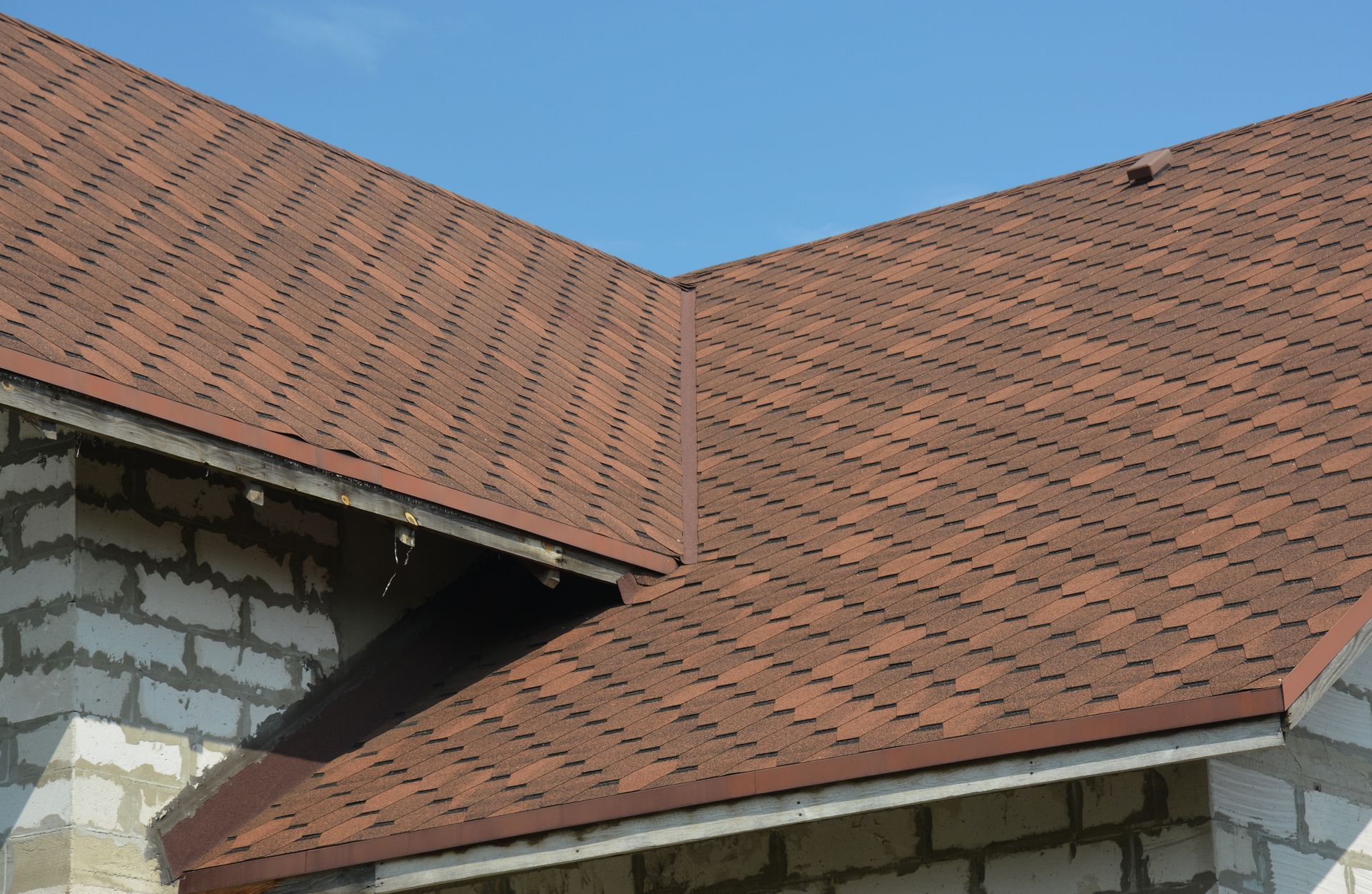
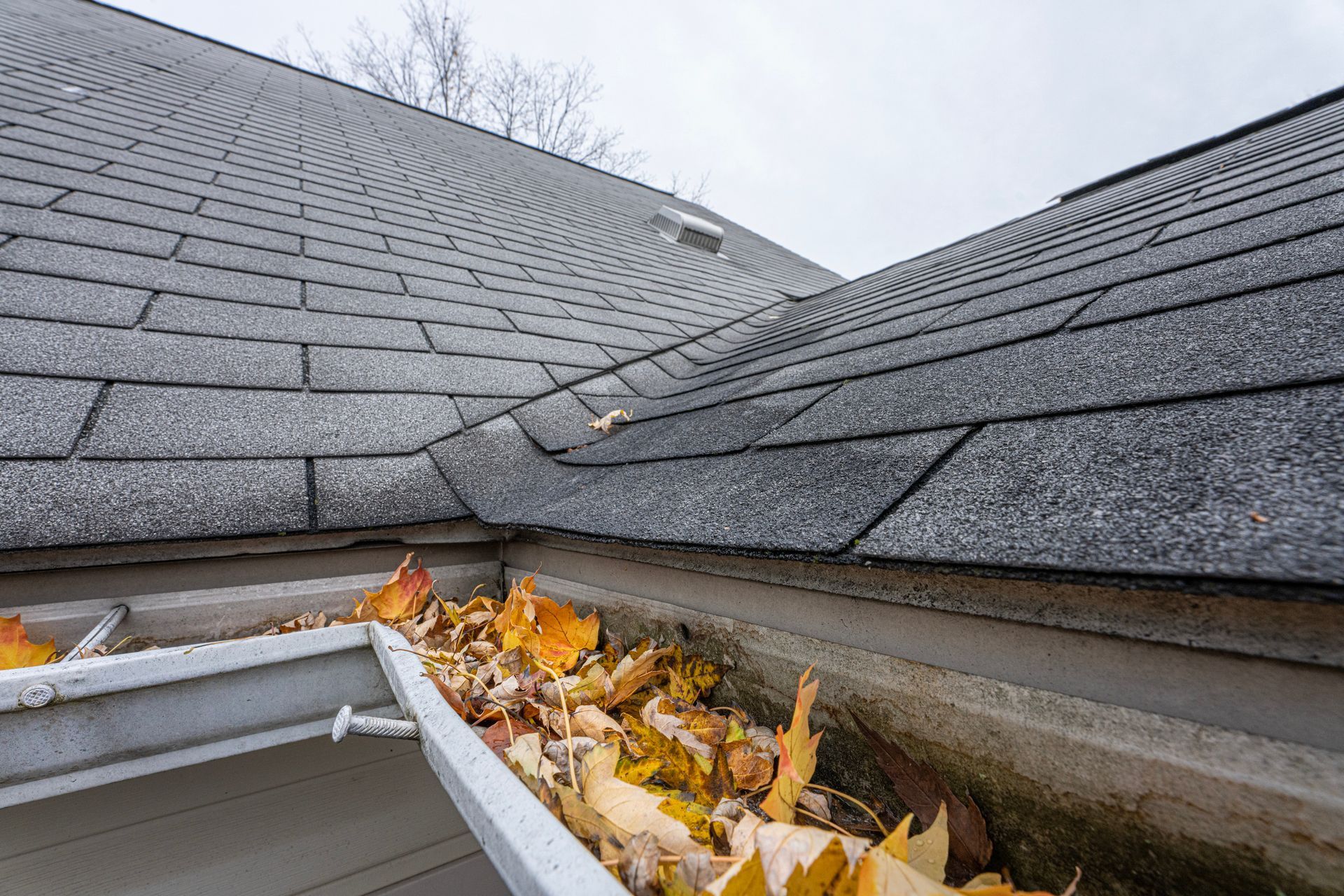
A roof valley is the channel created where two roof slopes meet. Instead of water running down a single roof plane, rain from both sections flows into the valley before being directed toward the gutters.
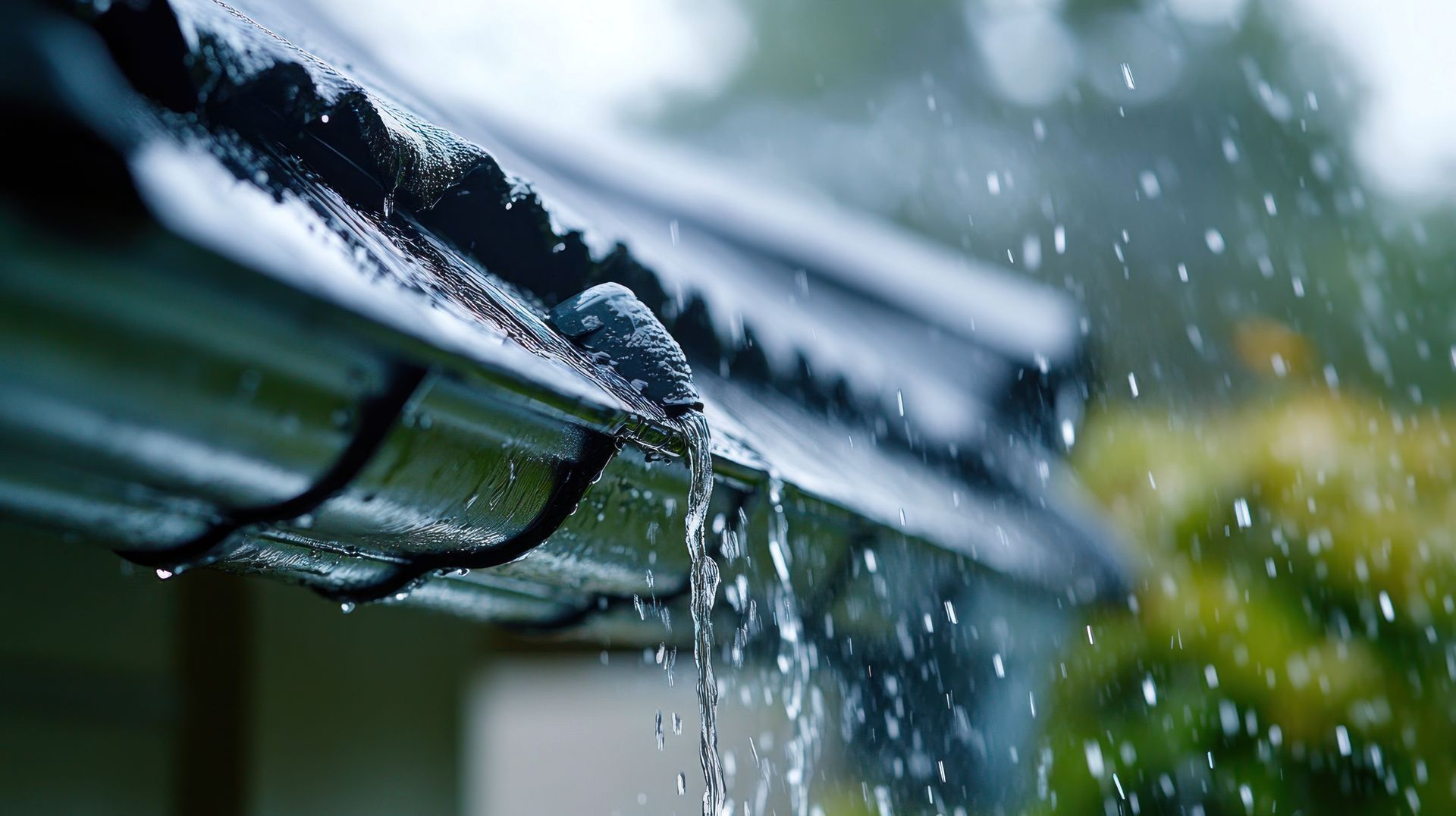
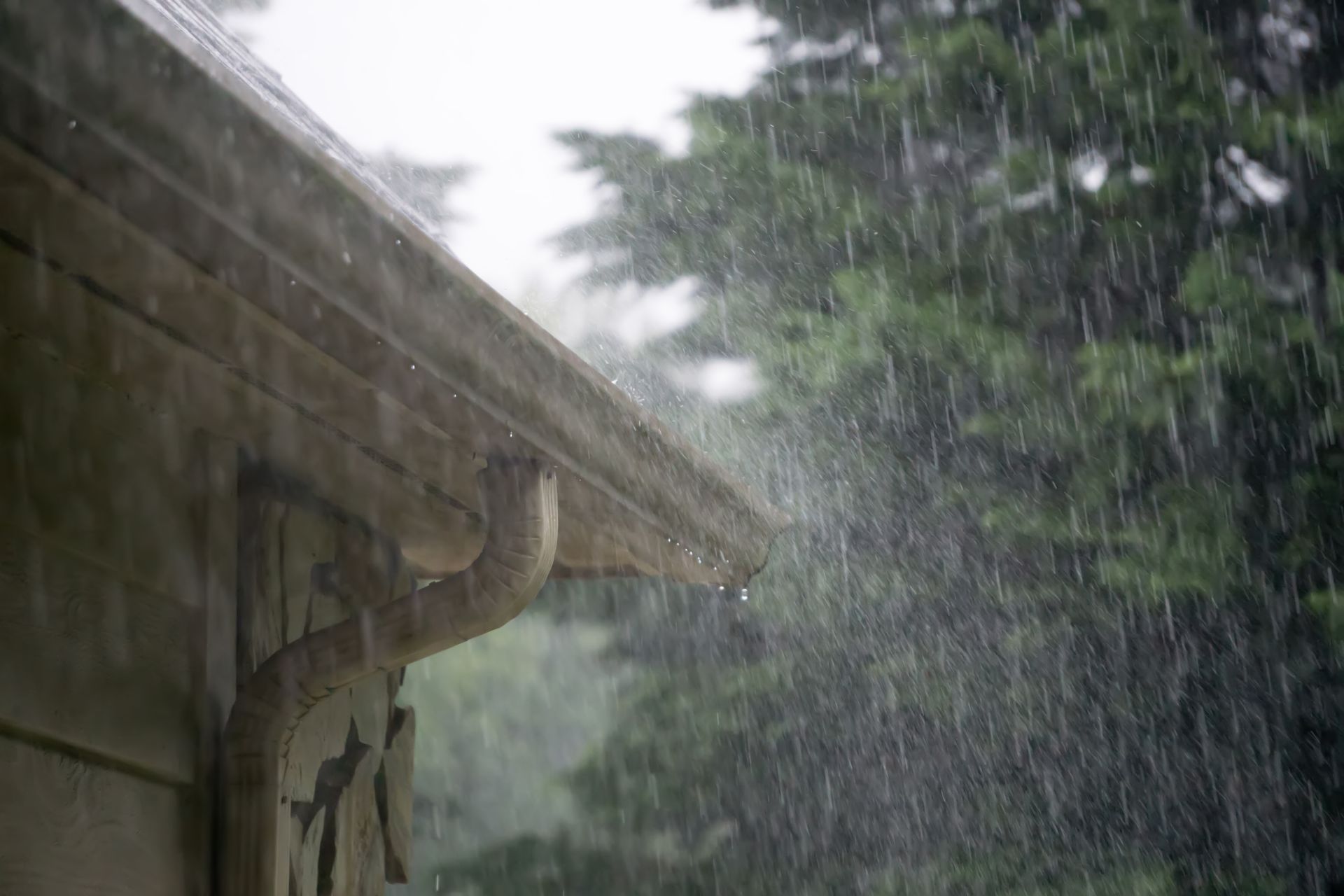
During a heavy storm, thousands of gallons of water can pass through these channels. Because valleys carry significantly more water than other areas of the roof, even small problems can quickly develop into noticeable leaks.
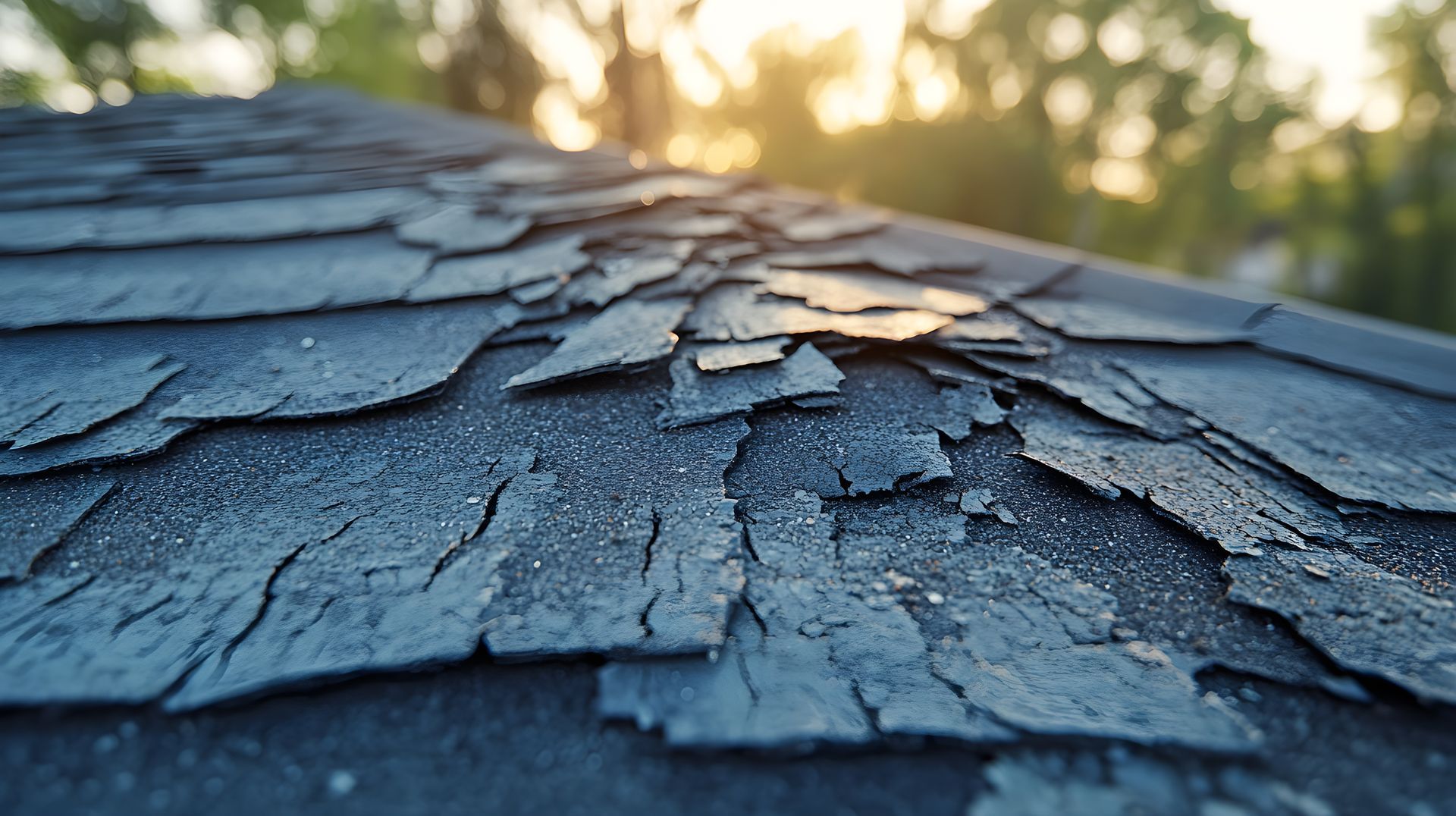
The constant movement of water also causes valleys to experience greater wear than surrounding shingles. Over the years, this increased exposure can weaken roofing materials and increase the likelihood of leaks.
Debris Naturally Accumulates in Roof Valleys
Since valleys act like natural channels, they don't just collect water; they also collect debris.
Leaves, pine needles, twigs, seed pods and dirt often settle into these low points on the roof. As debris builds up, it slows water flow and can create small dams that trap moisture.
During light rainfall, water may still move through the valley without much trouble. During heavier rainstorms, however, debris can block drainage enough to force water beneath the shingles. Once water gets underneath the roofing material, it can reach the underlayment and roof decking, eventually causing leaks inside your home.
Improper Flashing Can Leave Valleys Vulnerable
Many roof valleys rely on metal flashing beneath or alongside the shingles to provide an extra layer of waterproof protection.
If the flashing is installed incorrectly, uses the wrong materials, or isn't properly integrated with the surrounding shingles, water can find openings during heavy rainfall.
Common flashing installation problems include:
- Incorrect overlap between flashing sections
- Nails placed too close to the center of the valley
- Flashing that's too narrow for the roof design
- Poor alignment during installation
Because roof valleys carry such a high volume of water, even minor installation mistakes can eventually result in leaks. Professional installation is essential to ensure flashing directs water safely off the roof.
Aging Sealants Can Break Down Over Time
As sealants dry out, crack or shrink, small gaps can develop around flashing and roofing materials. While these openings may not allow enough water through during a light rain, they often become noticeable during severe storms when much larger amounts of water flow through the valley.
Routine roof inspections can identify deteriorating sealants before they lead to interior water damage.
Not Every Valley Leak Requires a Roof Replacement
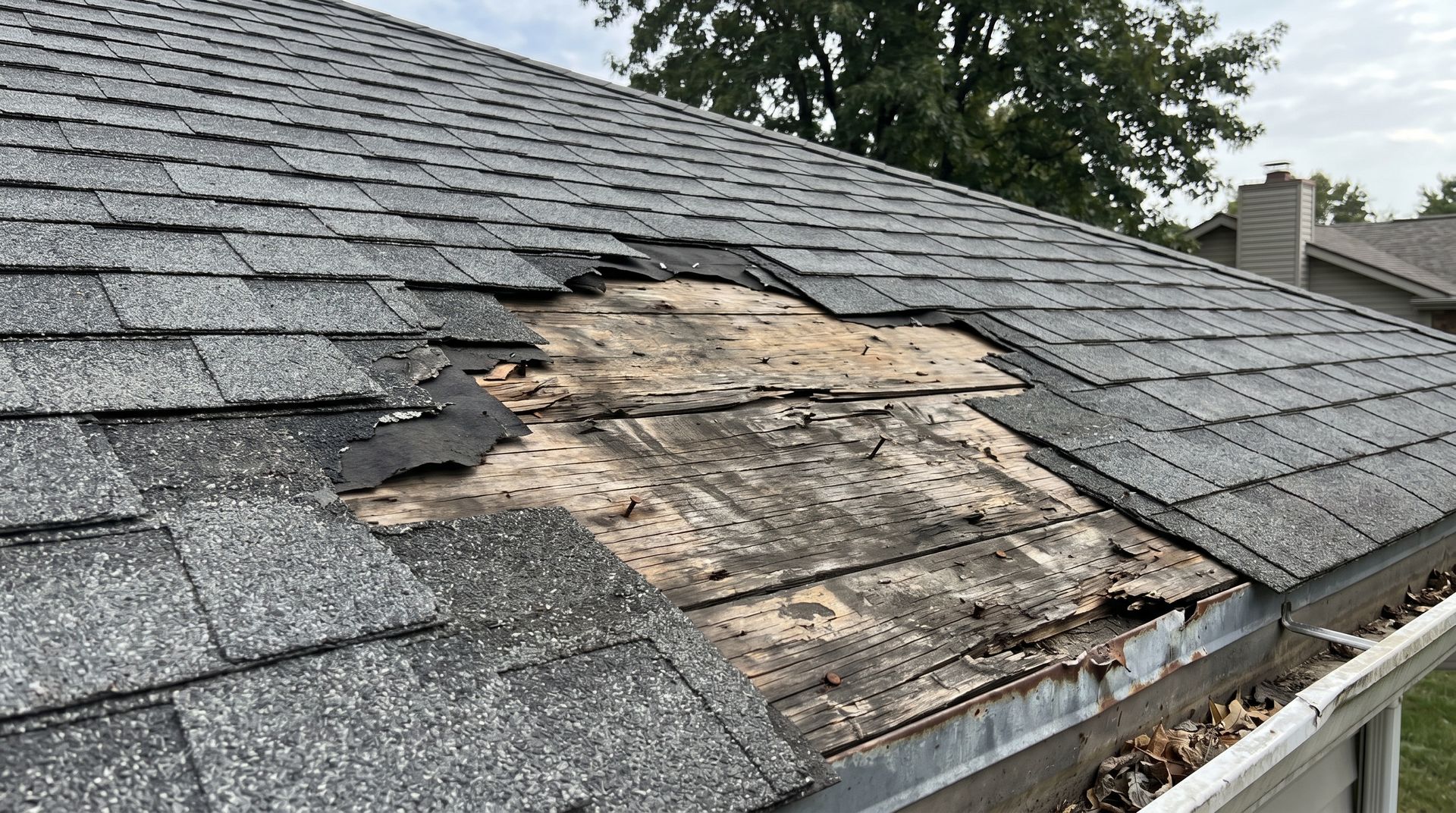
If the surrounding roofing materials remain in good condition, many valley problems can be repaired without replacing the entire roof. Depending on the cause of the leak, repairs may include:
- Removing accumulated debris
- Replacing damaged shingles in the valley
- Installing new metal flashing
- Resealing aging joints
- Correcting drainage issues
- Replacing deteriorated underlayment in localized areas
Addressing these issues early is usually much less expensive than waiting until water causes extensive damage inside the home.
However, if the roof is nearing the end of its expected lifespan or has widespread deterioration, your roofing contractor may recommend a full replacement as the more cost-effective long-term solution.
Periodic Roof Inspections Help Prevent Costly Repairs
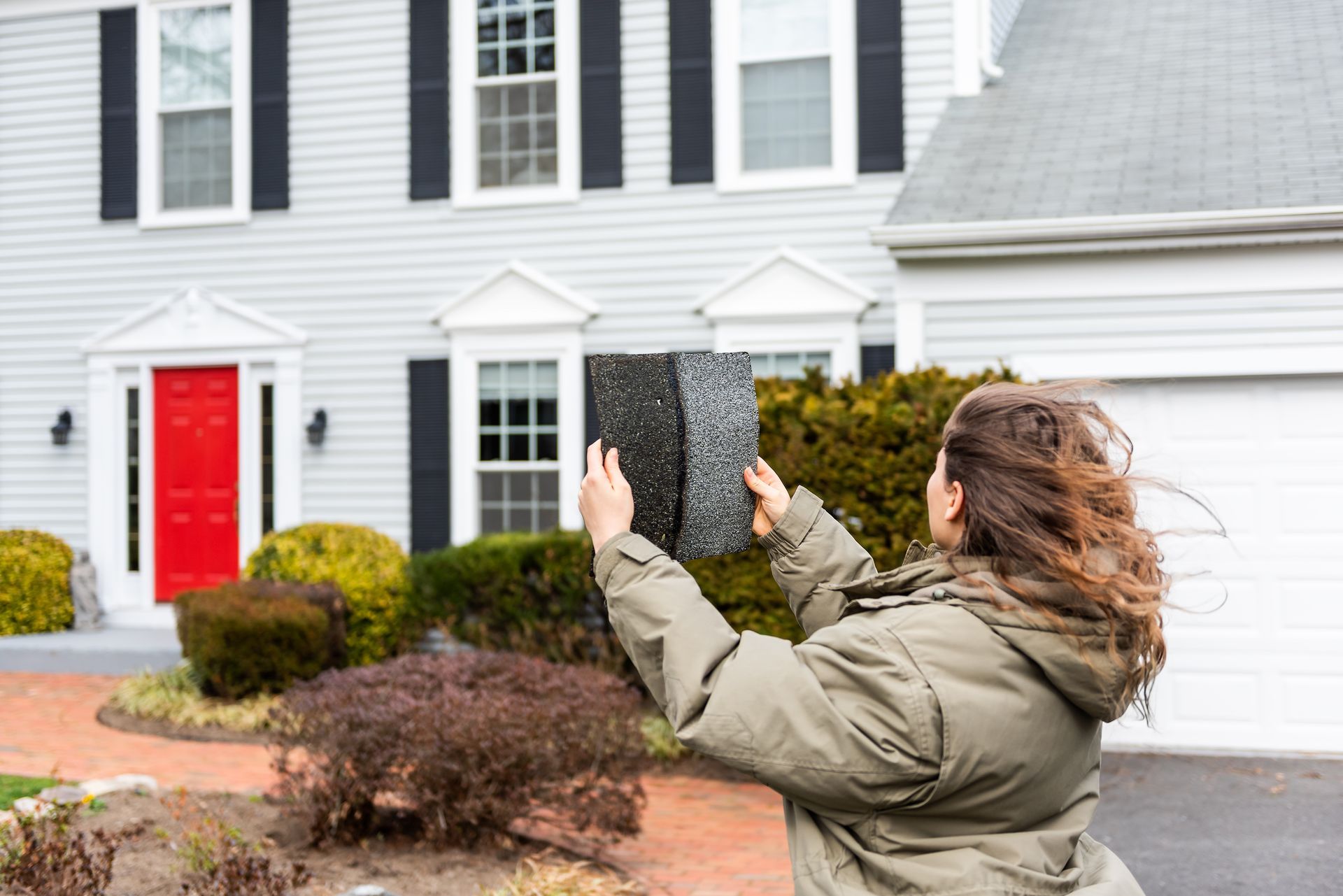
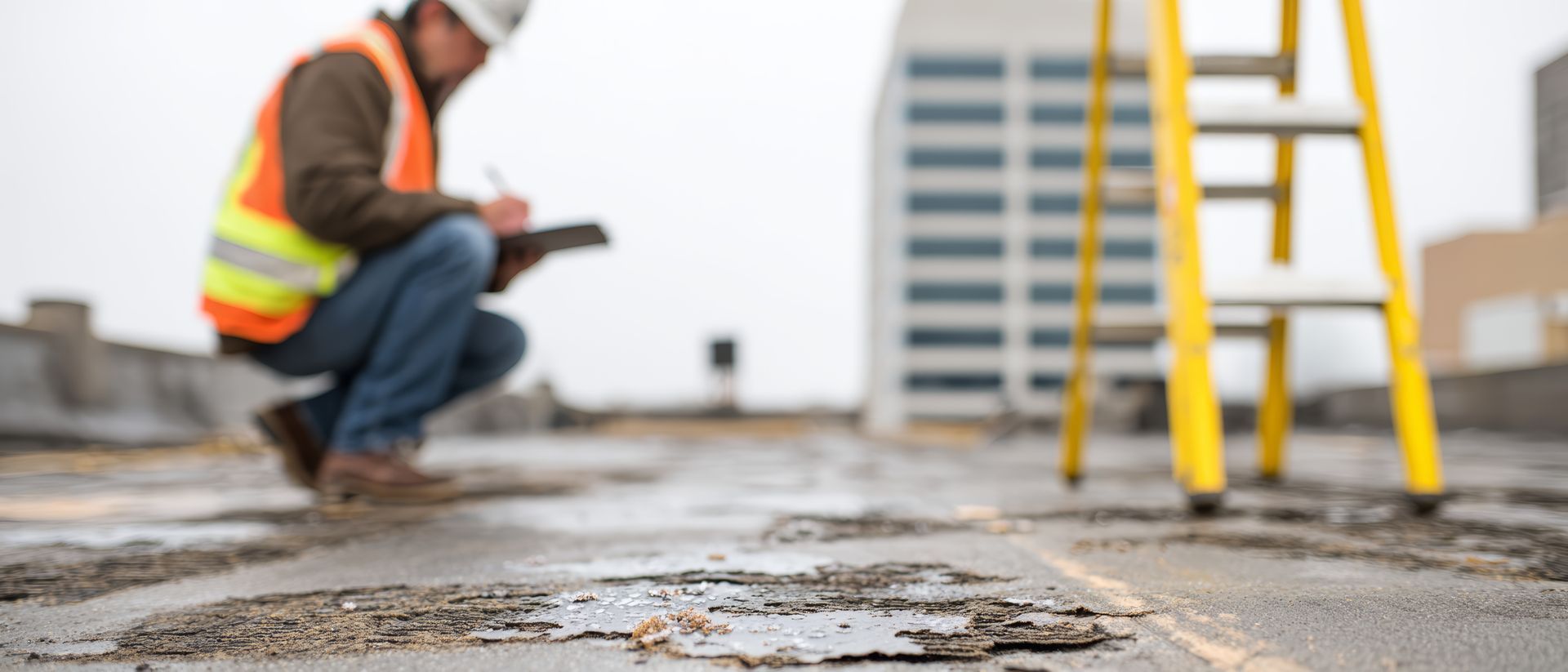
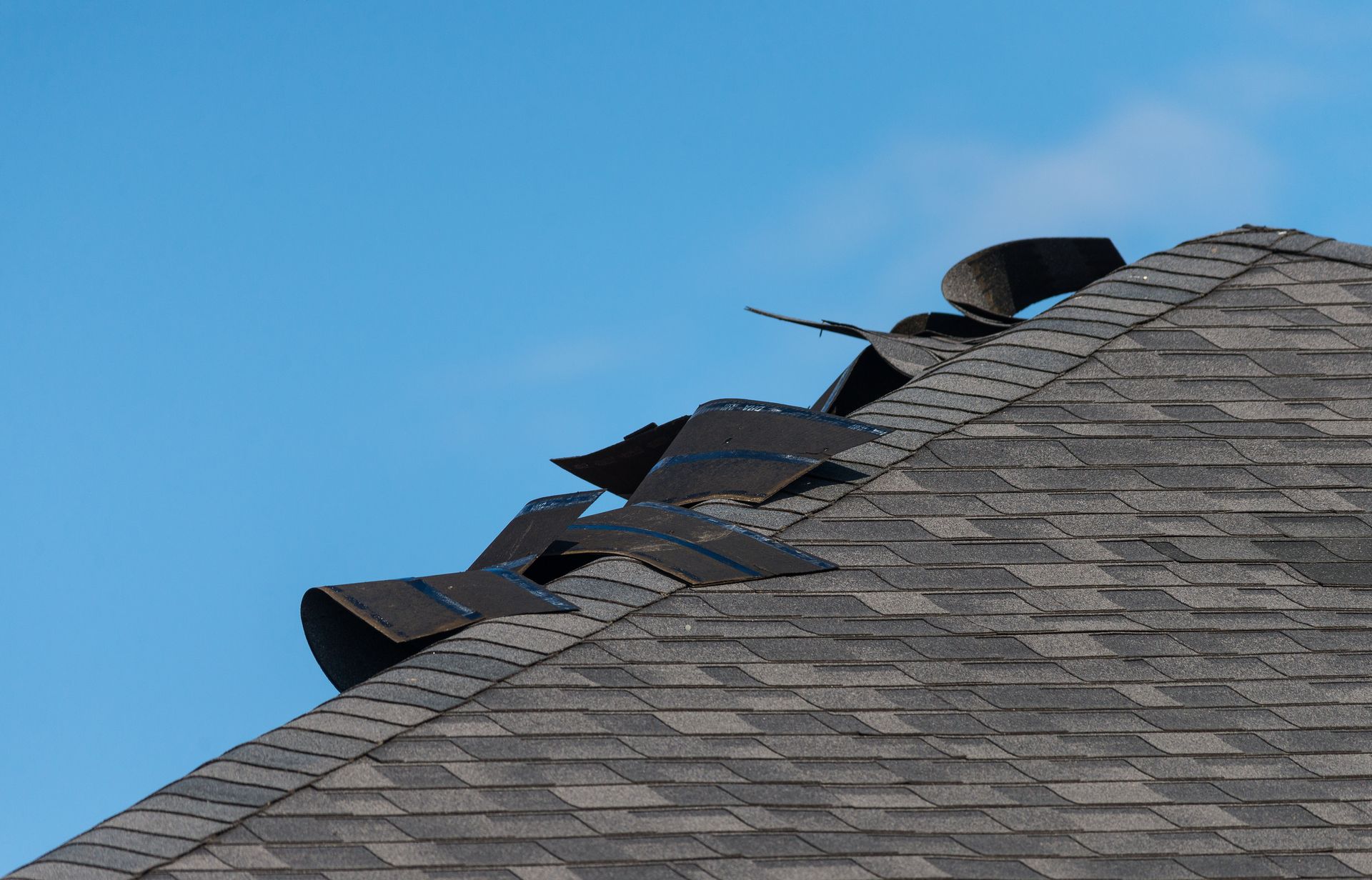
After major storms, check your roof from the ground for visible debris buildup, missing or lifted shingles and damage around the roofline. Inside the home, look for water stains on ceilings or signs of moisture in the attic.
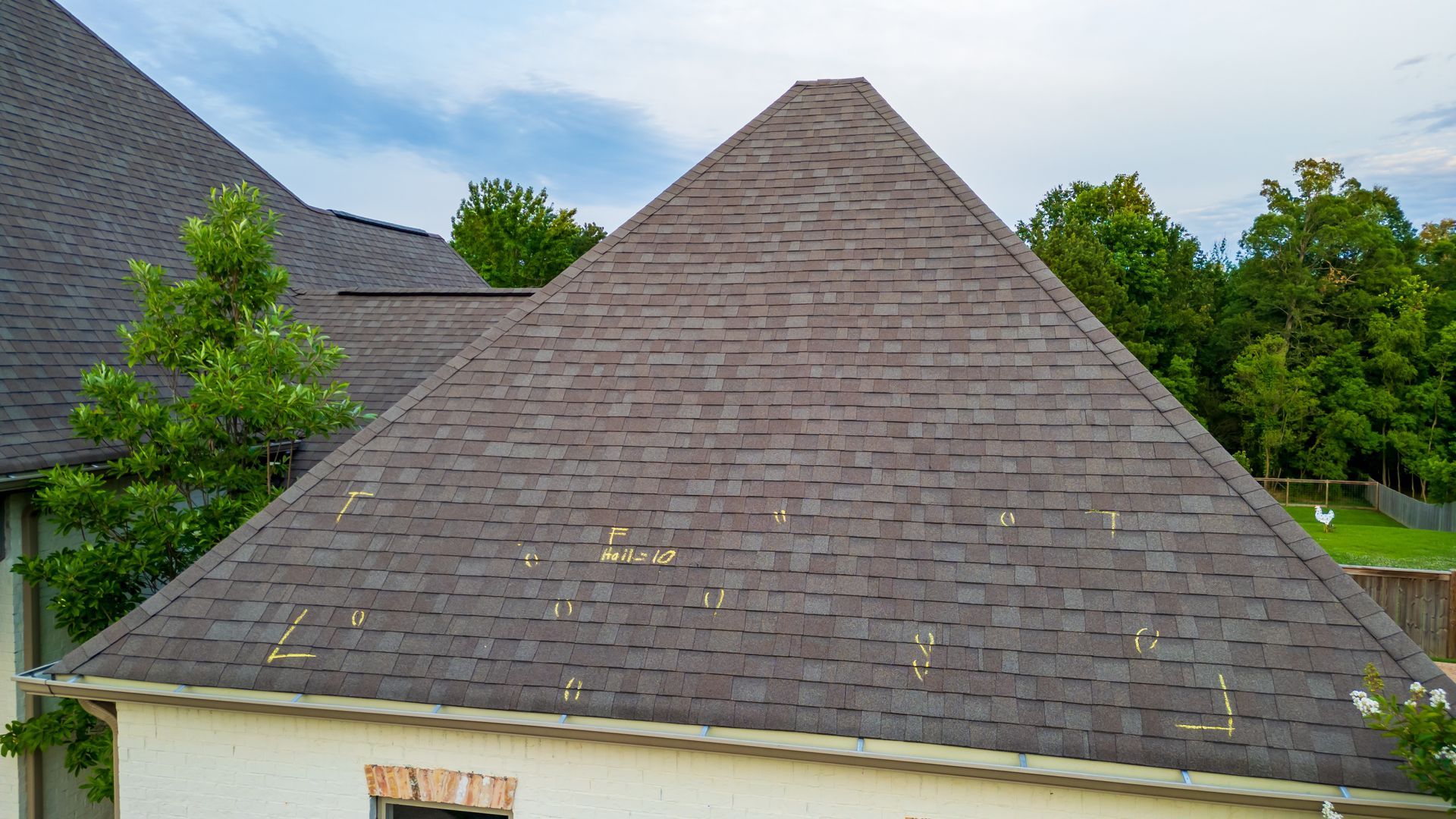
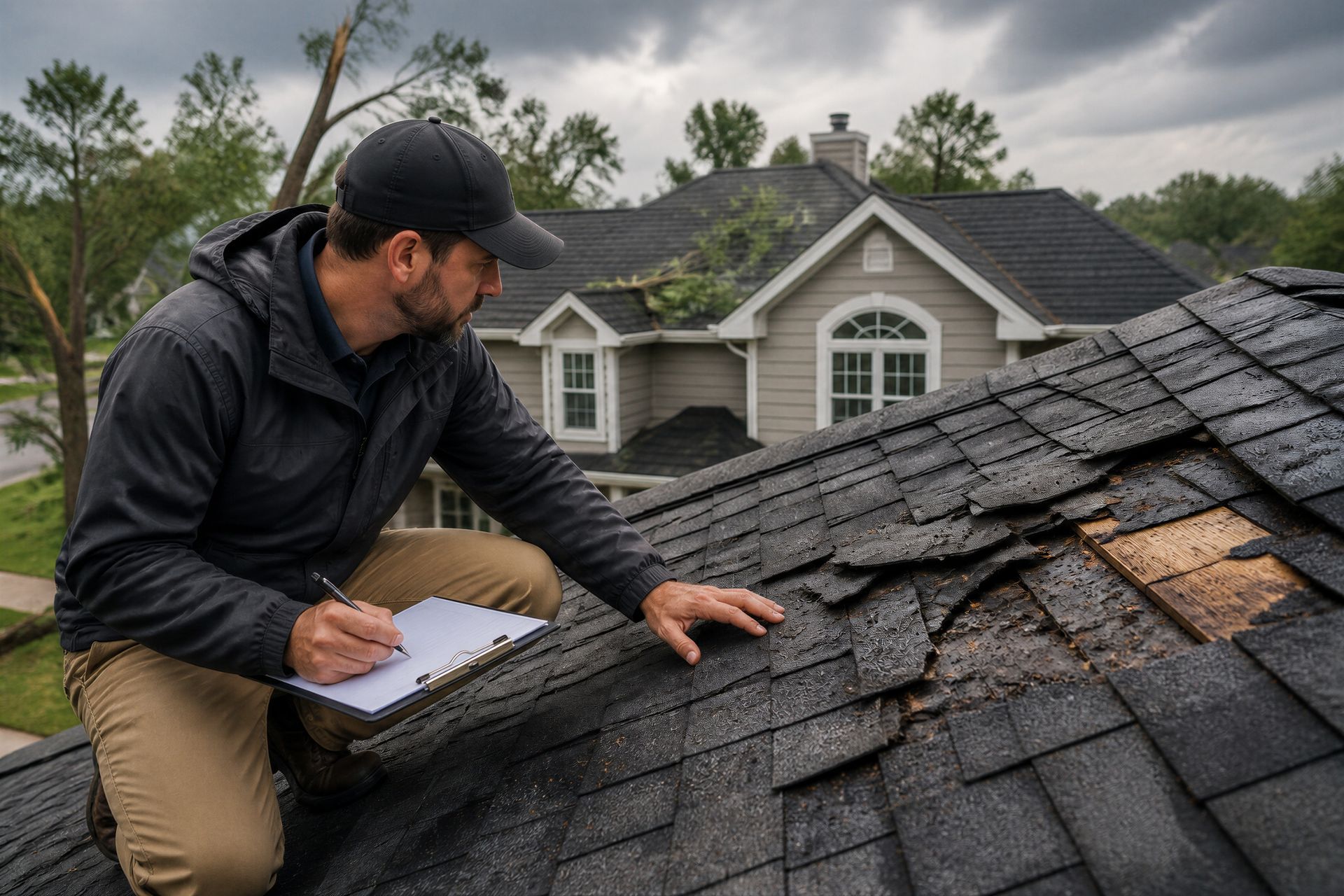
If you notice anything unusual, a professional roof inspection can help identify the source before the damage spreads. Prompt roof repairs to damaged shingles, flashing or other vulnerable areas can reduce the risk of a more serious leak during the next storm.
Our Benbrook Roofers Can Help Protect Your Roof
If you've noticed water stains on your ceilings or water damage in your attic, don't wait for the problem to get worse. The experienced team at Billy Harris Roofing can perform a thorough roof inspection, identify the source of the leak and recommend the most effective repair solution.
Call us at (817) 249-3338 or (800) 320-6074 to schedule your professional roof inspection.