What Causes Commercial Roof Damage Claims to Be Disputed?
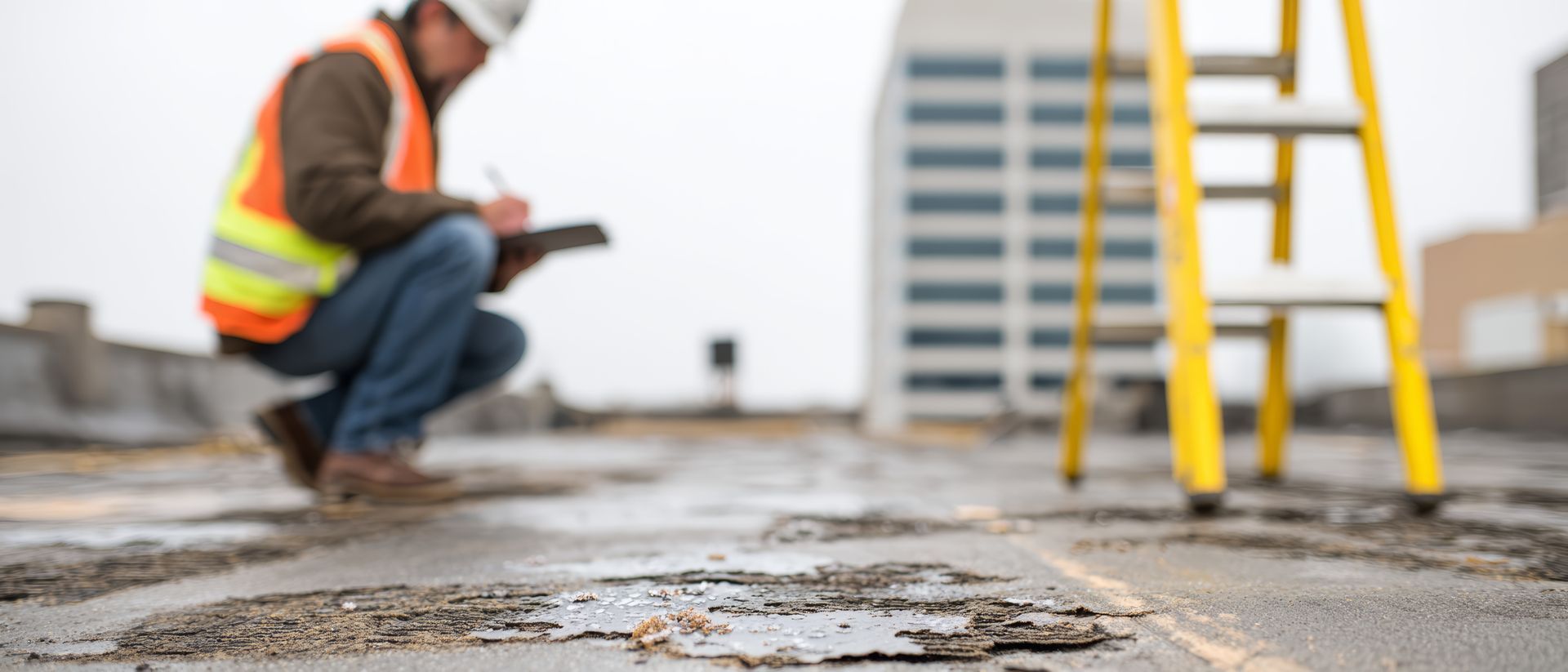
Filing a roof damage claim does not guarantee approval. Insurance companies review the source of the damage, the extent of the damage and the roof’s condition when the storm occurred, which means disputes can happen for several reasons.
Lack of Documentation
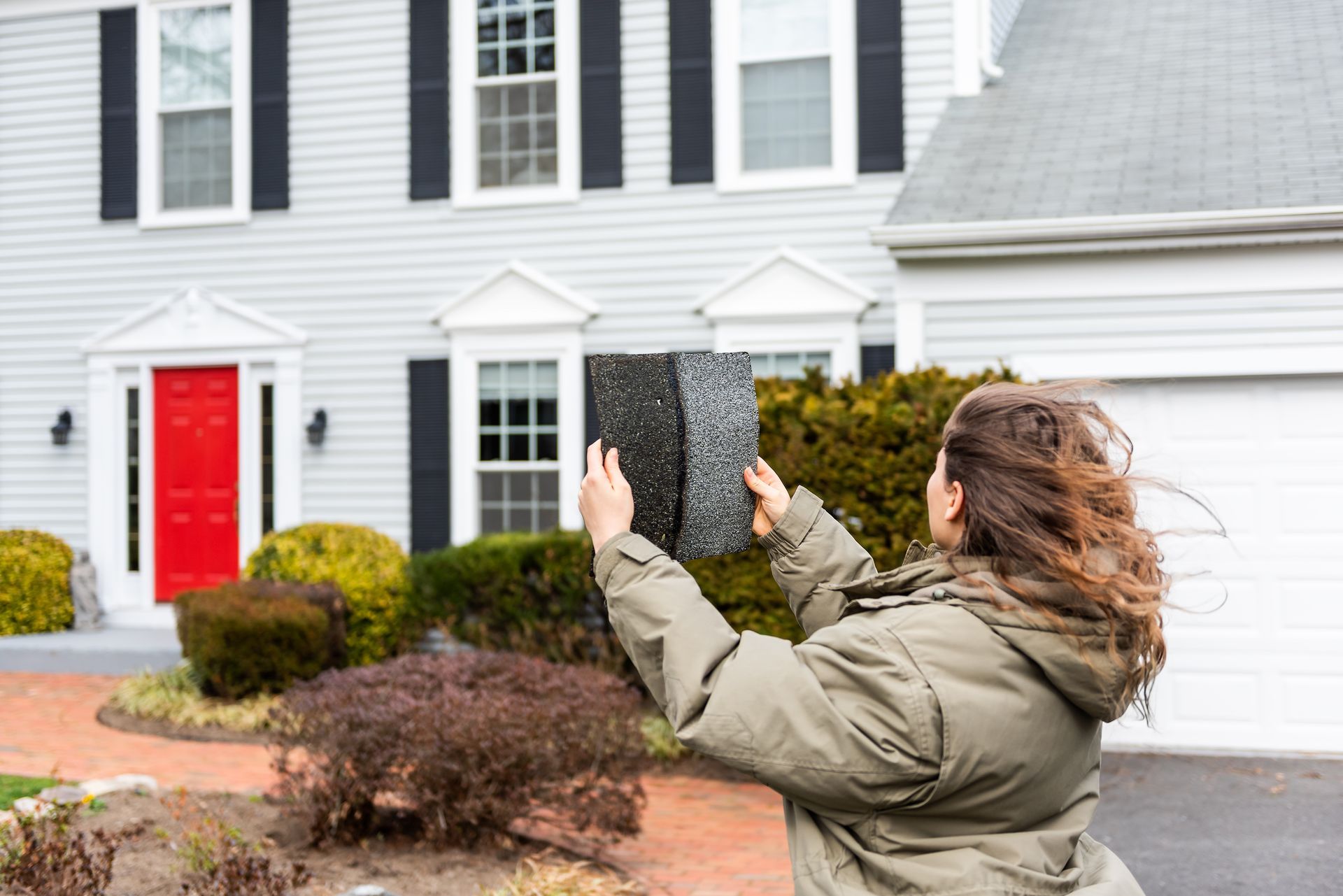
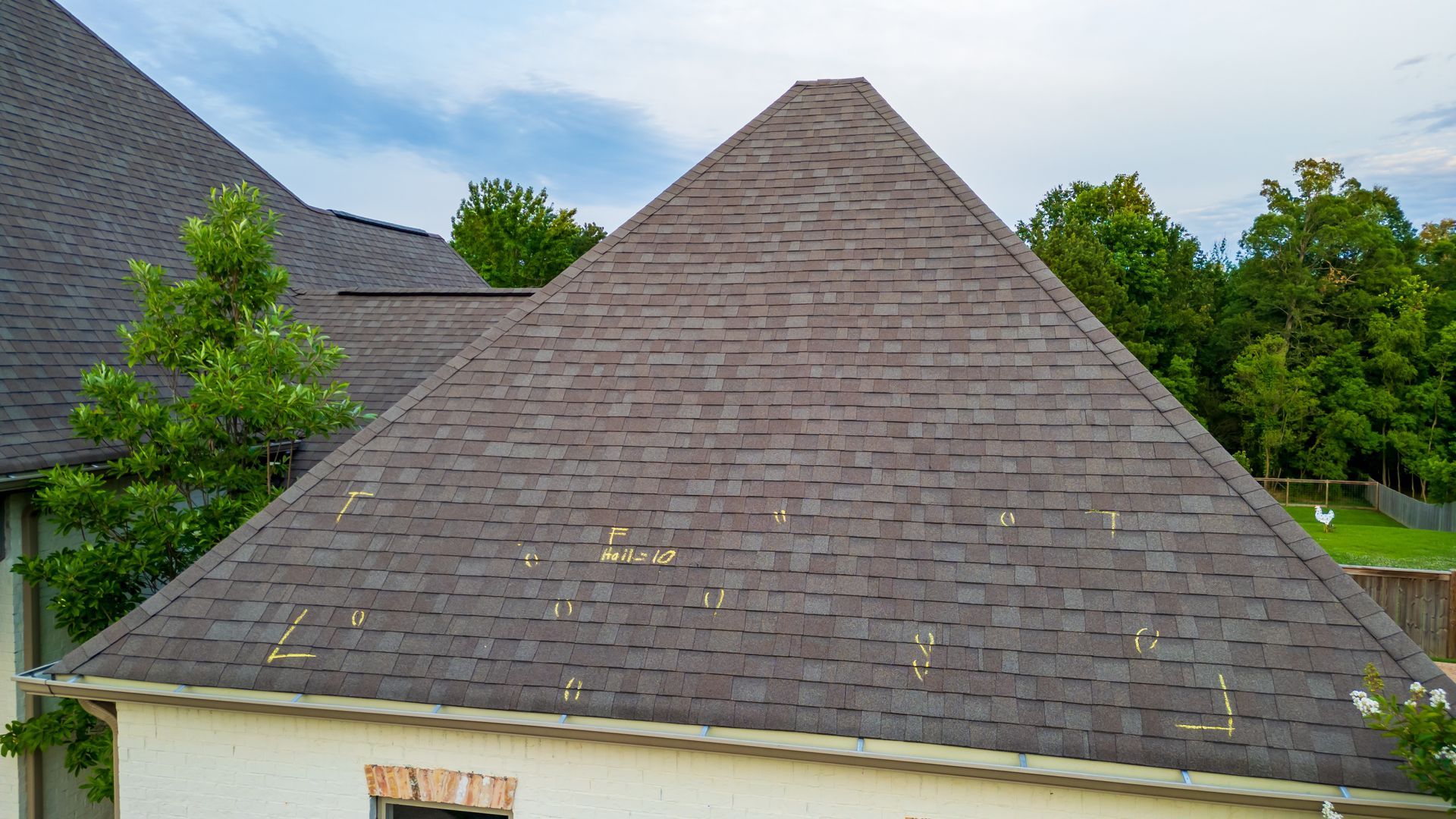
Insurance carriers rely heavily on evidence when evaluating roof damage claims. While obvious storm damage can often be identified during an inspection, disputes are more likely when the cause, timing or extent of the damage is unclear.
Documentation such as inspection reports, maintenance records, photographs and repair invoices can help establish the roof's condition before a storm and support the claim if questions arise later.
These records are particularly valuable when damage is discovered weeks or months after a storm, when the roof is older, or when the insurer argues that the issues resulted from normal wear and tear rather than a covered weather event.
Maintenance vs. Storm Damage Arguments
Insurance policies generally cover sudden, accidental events such as hailstorms, high winds and severe weather.
However, they typically do not cover damage resulting from poor maintenance or neglect.
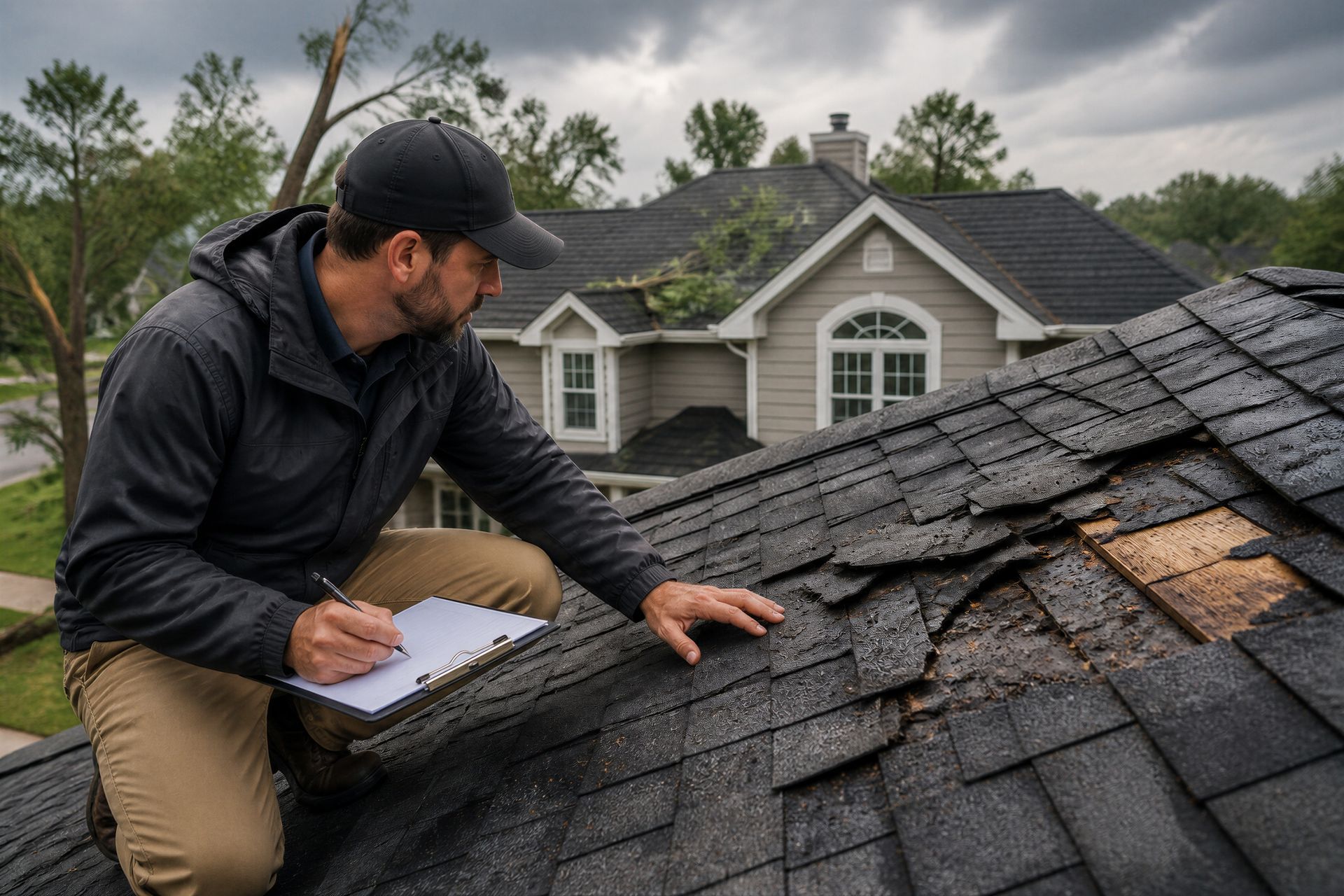
During damage inspections, adjusters may consider the condition of the roof when determining whether problems were caused by a storm or by deterioration that existed before the weather event.
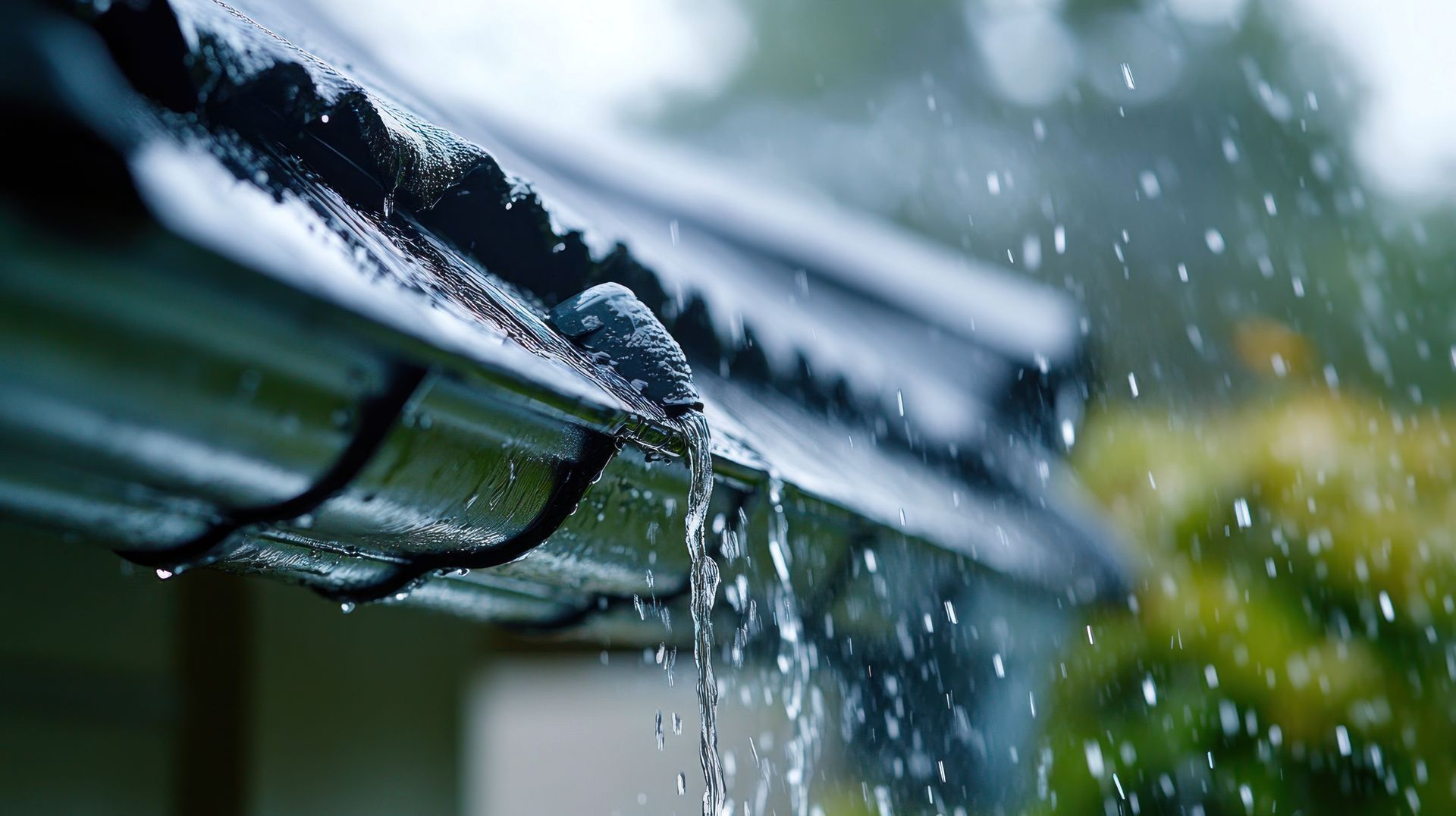
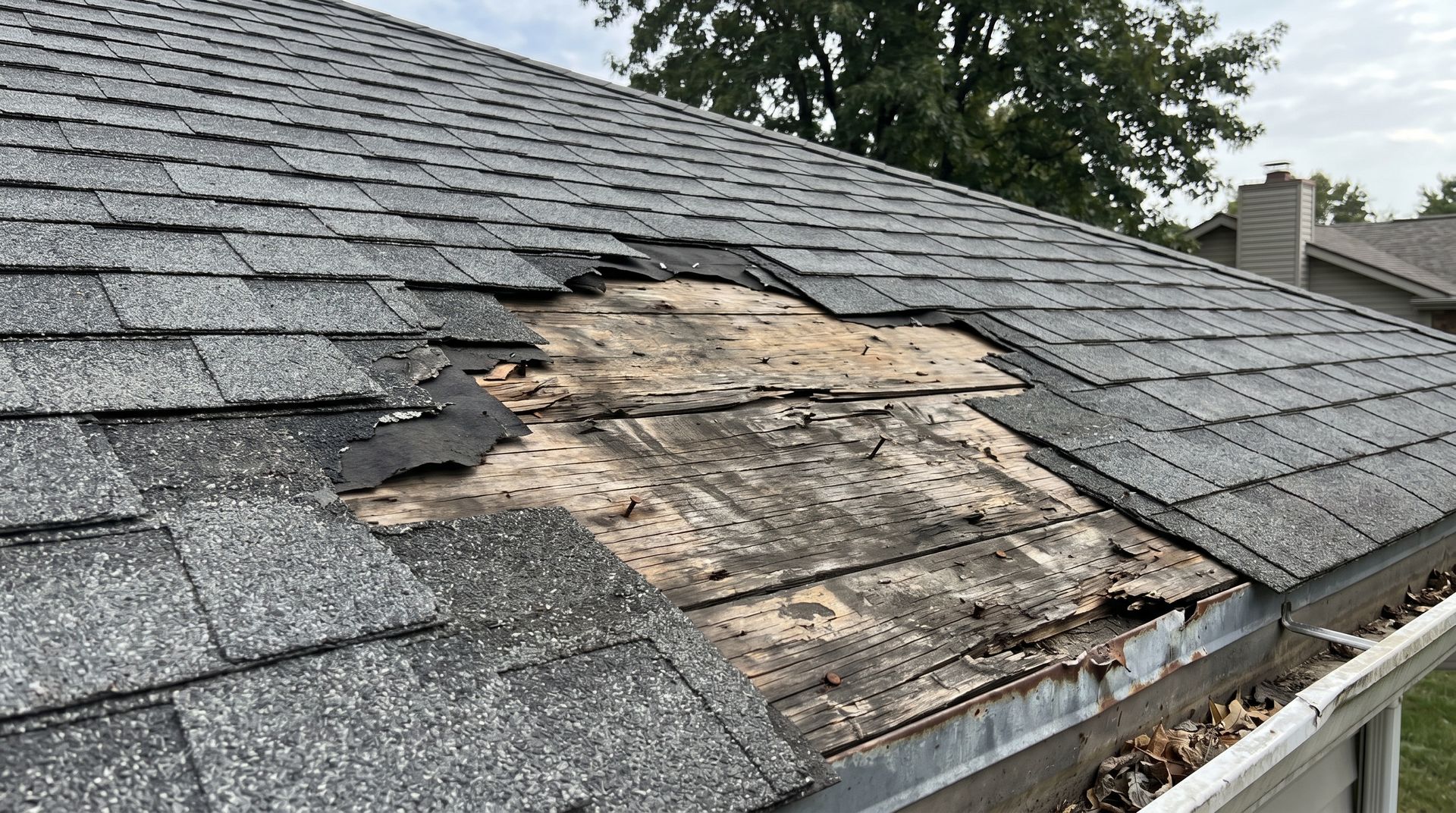
If a leak appears after a storm, the timing may support a storm damage claim. However, disputes are more likely if the inspection shows older deterioration, failed flashing, worn sealants or previous damage that may have allowed water intrusion before the weather event.
Pre-Existing Damage
Pre-existing damage can potentially lead to claim denials or reduced settlements.
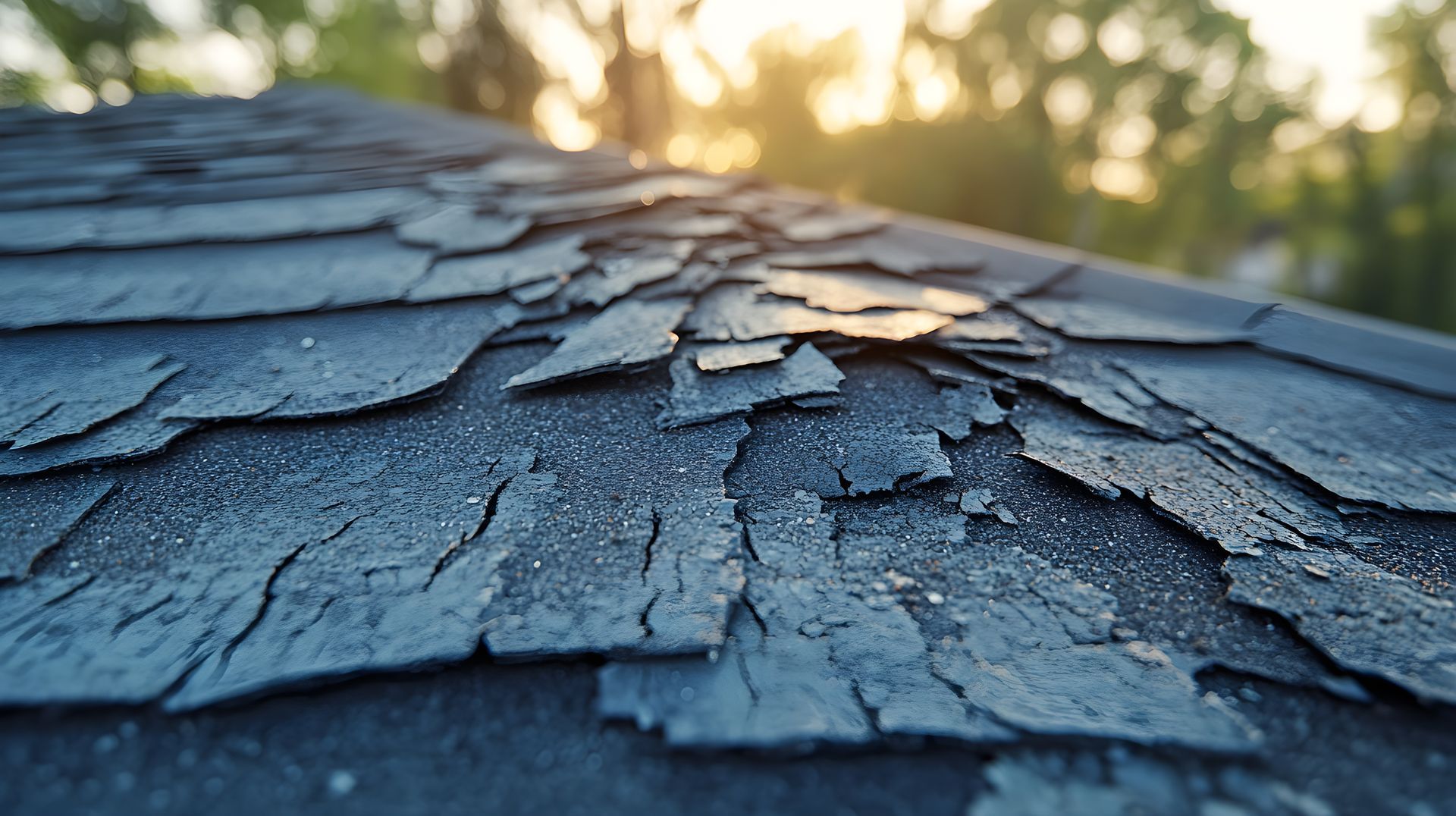
Commercial roofs are exposed to years of sunlight, temperature fluctuations, foot traffic and environmental wear. Insurers may identify conditions that existed before the reported weather event and determine that some or all of the damage was already present.
Examples of pre-existing issues may include:
- Aging roofing materials
- Prior storm damage
- Unrepaired punctures
- Existing leaks
- Deteriorated flashing
- Ponding water damage
Even if a recent storm worsened these conditions, insurance companies may attempt to separate covered storm damage from pre-existing concerns.
This is one reason why regular inspections are so important. Having documentation that establishes the roof's condition before a storm can help support your position if questions arise later.
Delayed Reporting
Time matters when it comes to commercial roof insurance claims.
Many business owners focus on day-to-day operations following a storm and may not immediately inspect the roof for damage. Unfortunately, waiting too long to report a claim can create complications.
Insurance carriers may question whether the damage was actually caused by the reported storm event if weeks or months pass before the claim is filed. Delayed reporting can also make it harder to distinguish storm-related damage from additional deterioration that occurred afterward.
In some cases, policy requirements include deadlines for notifying the insurer about potential damage.
Wear and Tear Exclusions
Insurance is designed to cover sudden, accidental losses, not the predictable aging process of roofing materials. Common examples of wear and tear exclusions include:
- Material deterioration due to age
- Surface cracking
- UV-related degradation
- Gradual membrane breakdown
- Normal expansion and contraction
- Aging sealants and flashing
If an insurance adjuster determines that roof problems stem primarily from normal aging rather than a covered weather event, the claim may be denied.
This distinction is particularly important for older commercial roofs approaching the end of their expected lifespan.
How Property Owners Can Protect Their Claims
- Schedule regular roof inspections
- Document roof conditions with photos and reports
- Address maintenance issues promptly
- Keep detailed service and repair records
- Arrange professional storm damage inspections after severe weather
- Report potential damage as soon as possible
Don't Wait to Document Potential Storm Damage in Dallas–Fort Worth
At Billy Harris Roofing, we help commercial property owners throughout the DFW area assess storm damage, document roofing conditions and determine the most effective repair or replacement solutions.
If your commercial property has recently experienced hail, wind or storm damage, contact us at (817) 249-3338 or (800) 320-6074 to schedule a professional roof inspection.