How Much Wind Does It Take to Damage a Roof?
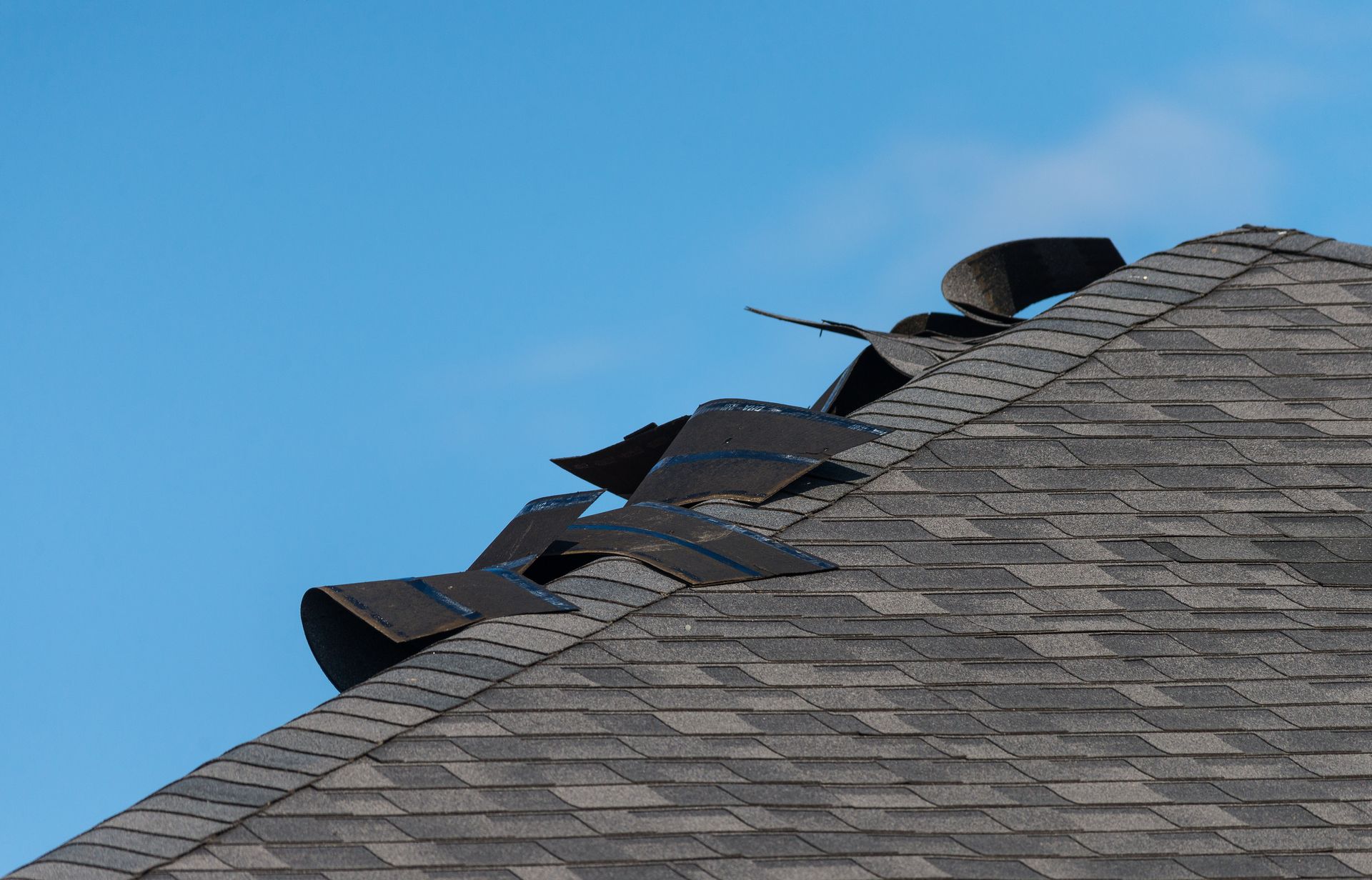
There is no single wind speed where roof damage automatically begins. A newer, well-installed roof may withstand a storm that causes lifted shingles, loosened flashing or leaks on an older roof. The answer depends on the roofing material, roof age, installation quality, slope, exposure and overall condition of the roofing system.
Different Roofing Materials Have Different Wind Resistance
Asphalt shingles, the most common residential roofing material in North Texas, are available with varying wind ratings. Basic three-tab shingles typically offer less wind resistance than architectural or dimensional shingles. Over time, even high-quality shingles can become more vulnerable as adhesives age and materials are exposed to years of weather.
Metal roofing systems generally provide excellent wind resistance when properly installed. Their interlocking panels can withstand substantial wind forces.
Tile roofs can perform well in windy conditions, but individual tiles may become dislodged if fasteners fail or if debris impacts the roof during a storm.
Flat and low-slope roofing systems face different wind-related risks than steep-slope roofs. Instead of lifted shingles, damage is more likely to occur around edges, corners, seams, flashing and membrane attachments where wind uplift can pull materials loose.
Wind Uplift
Many homeowners assume wind damages a roof by pushing directly against it. In reality, some of the most significant damage occurs when wind flows across the roof surface and creates lifting pressure.
As wind moves over the roof, it creates areas of lower pressure above the roofing materials. This difference in pressure can pull upward on shingles, flashing, and other roofing components. The stronger the wind, the greater the uplift force.
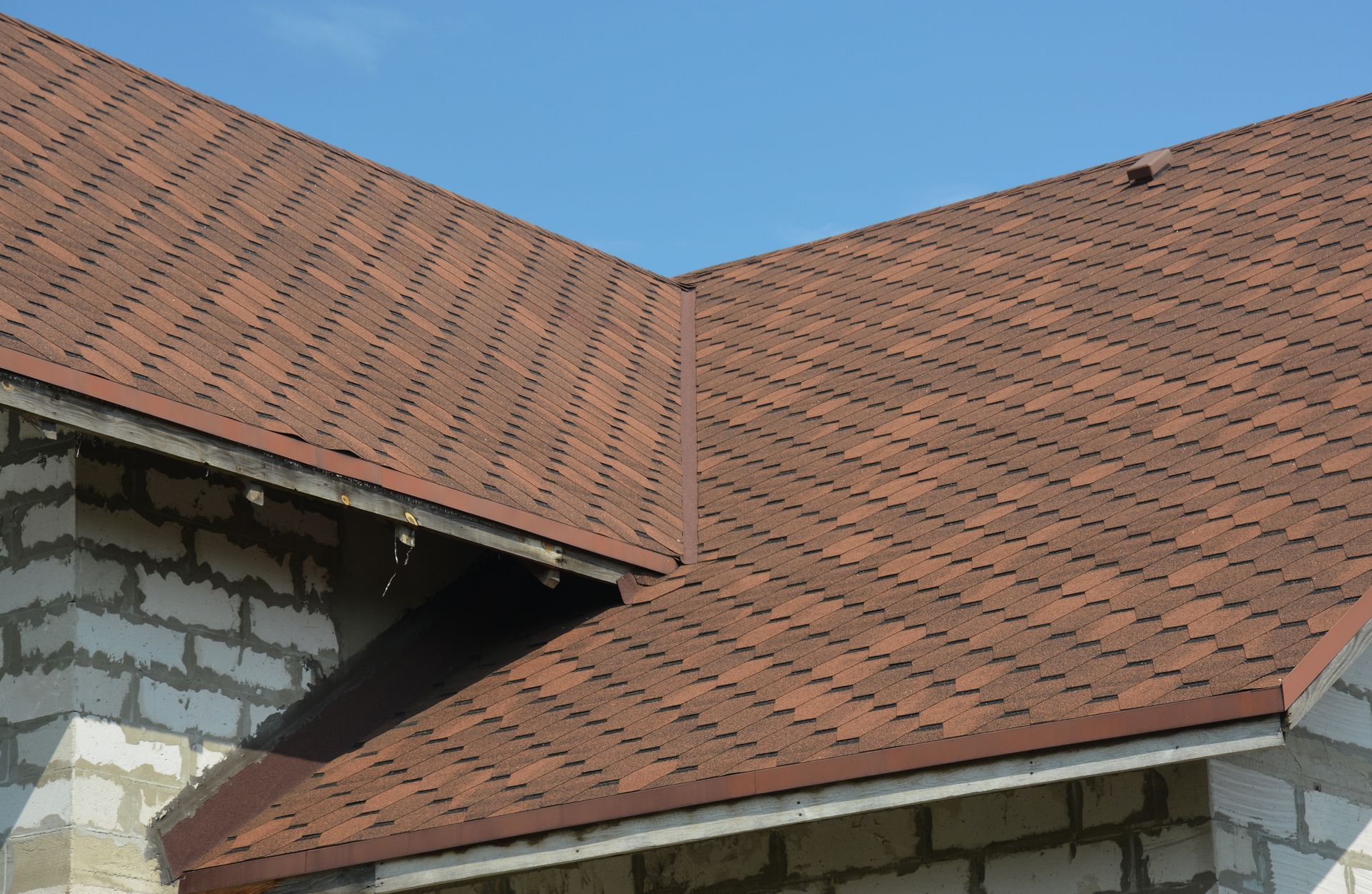
Roof edges, corners, ridges, and areas around penetrations often experience the highest uplift pressures. These locations are typically where wind damage begins.
Even if roofing materials are not immediately torn away, repeated uplift can weaken adhesive strips, loosen fasteners, and create vulnerabilities that may not become visible until a future storm.
Missing Shingles Are Often the Most Noticeable Sign
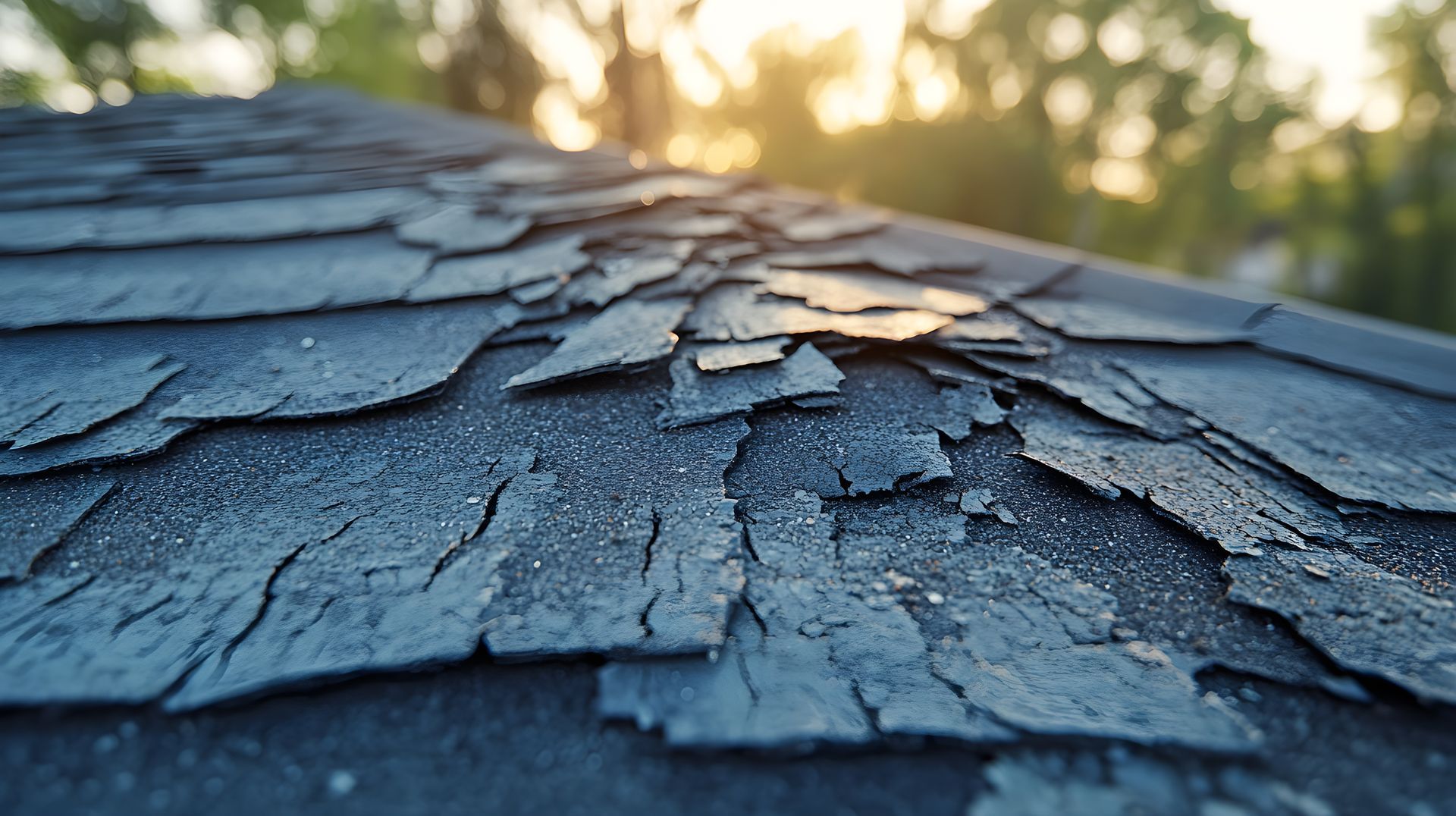
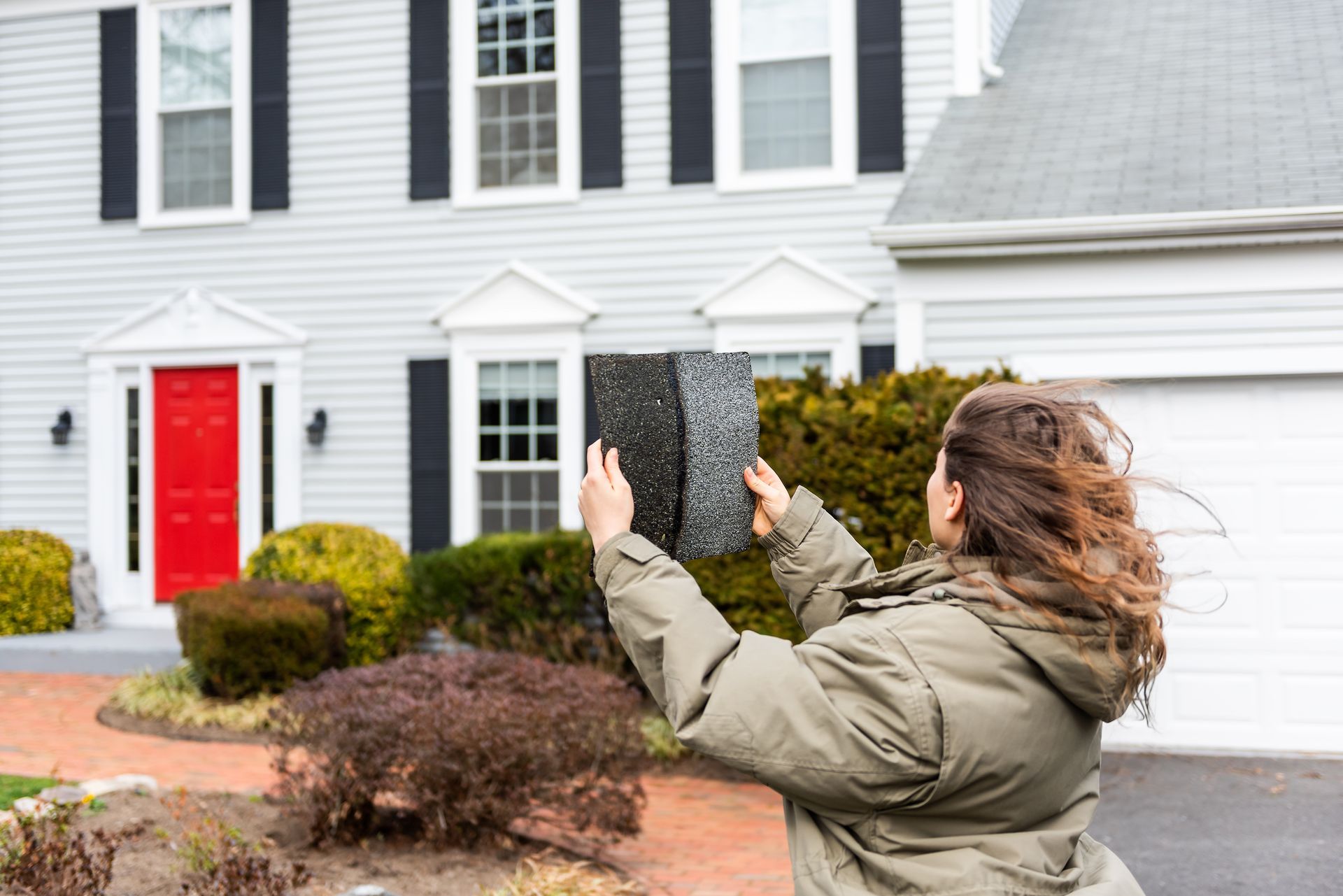
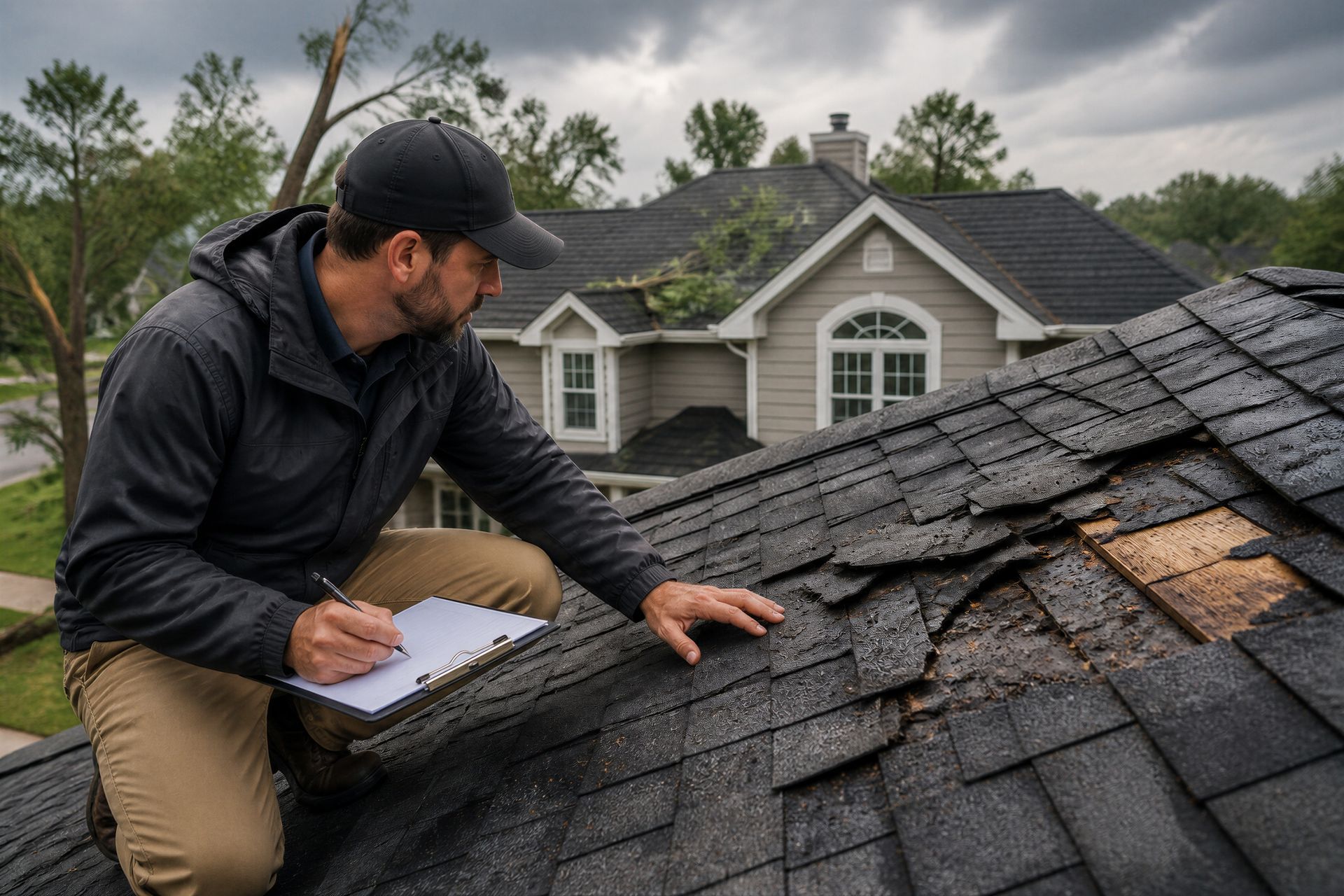
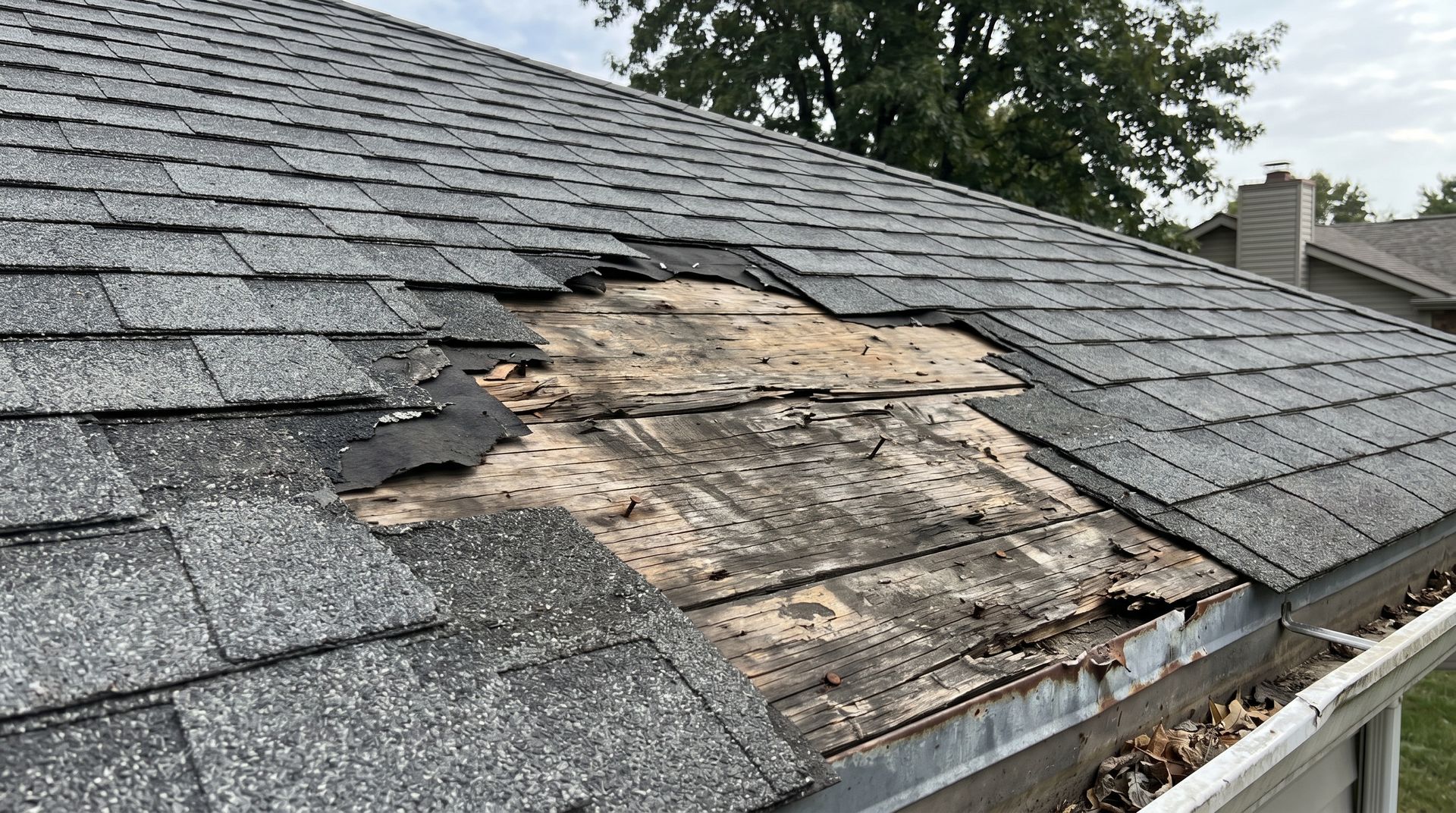
Strong winds can lift shingles enough to break their seal or completely detach them from the roof. Once shingles are missing, the underlying roofing materials become exposed to moisture, UV rays, and future storm damage.
However, missing shingles are only one form of wind-related roofing damage. Other warning signs may include:
- Lifted or curled shingles
- Creased shingle tabs
- Loose ridge caps
- Damaged flashing
- Exposed underlayment
- Debris impacts
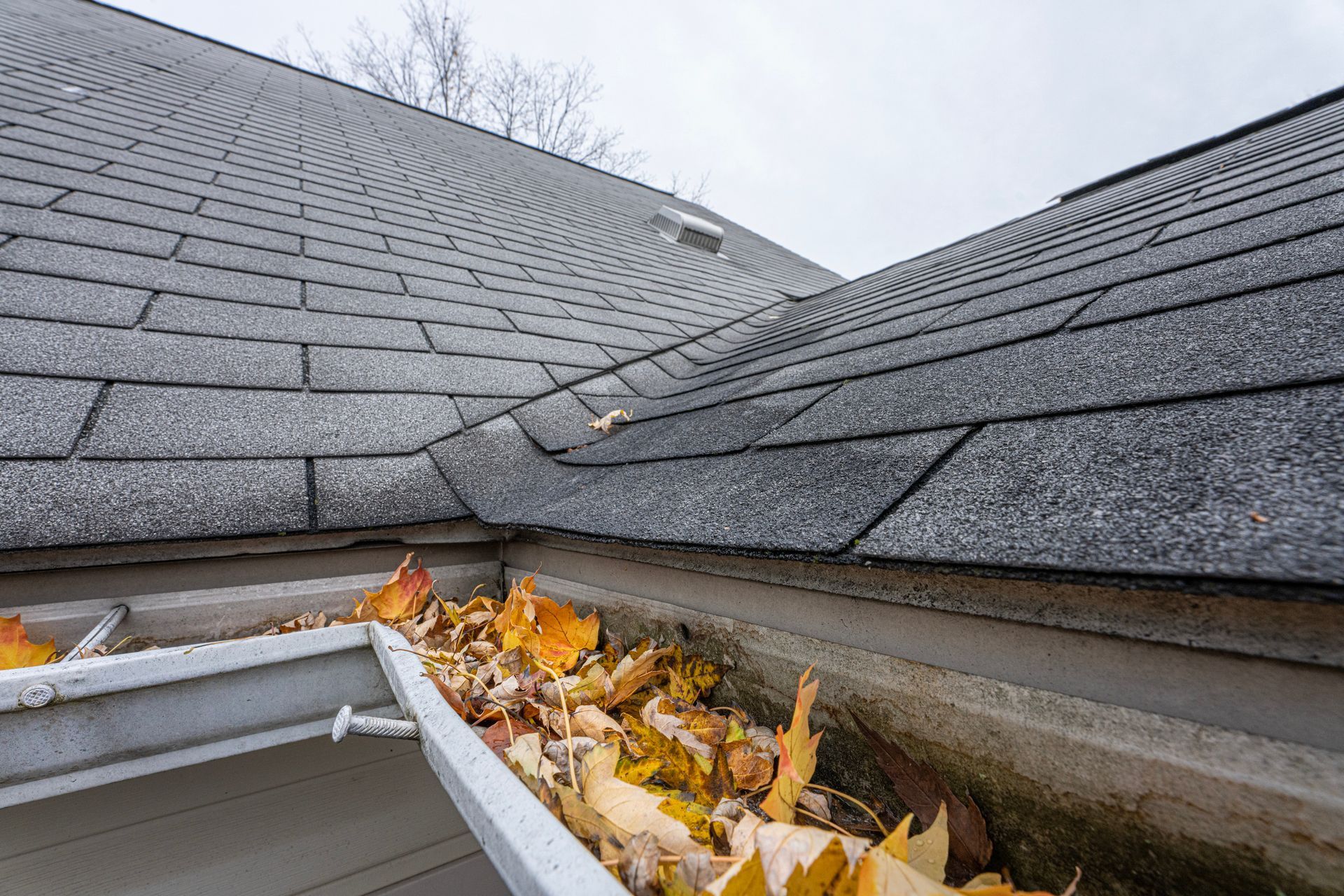
- Granule loss in gutters
Why Moderate Storms Sometimes Cause More Damage Than Major Storms
A roof that has experienced years of heat, UV exposure, thermal expansion and contraction may already have weakened materials. Adhesive strips may no longer perform as intended, flashing may be deteriorating, and previous repairs may be nearing failure.
When a moderate storm arrives, those existing weaknesses can be exposed. A storm with lower wind speeds may still be strong enough to lift compromised shingles, separate flashing or open vulnerable seams.
Storm timing can also play a role. If a roof has already experienced minor wind damage from previous storms, a later storm may finish what earlier weather started. In these situations, a moderate storm can create significant visible damage even though wind speeds were not extreme.
Wind direction matters as well. A moderate storm approaching from a particular angle may place unusual stress on vulnerable portions of the roof, while a stronger storm from a different direction may have less impact.
Protecting Your Roof After Wind Events
One of the biggest mistakes homeowners make is assuming that no visible damage means the roof is fine.
Wind damage often begins with small issues that are not immediately noticeable. Lifted shingles, weakened seals and damaged flashing may not cause leaks right away, but they can leave the roof vulnerable to future water intrusion.
Protect Your Roof With Storm Damage Inspections After Serious Wind Events
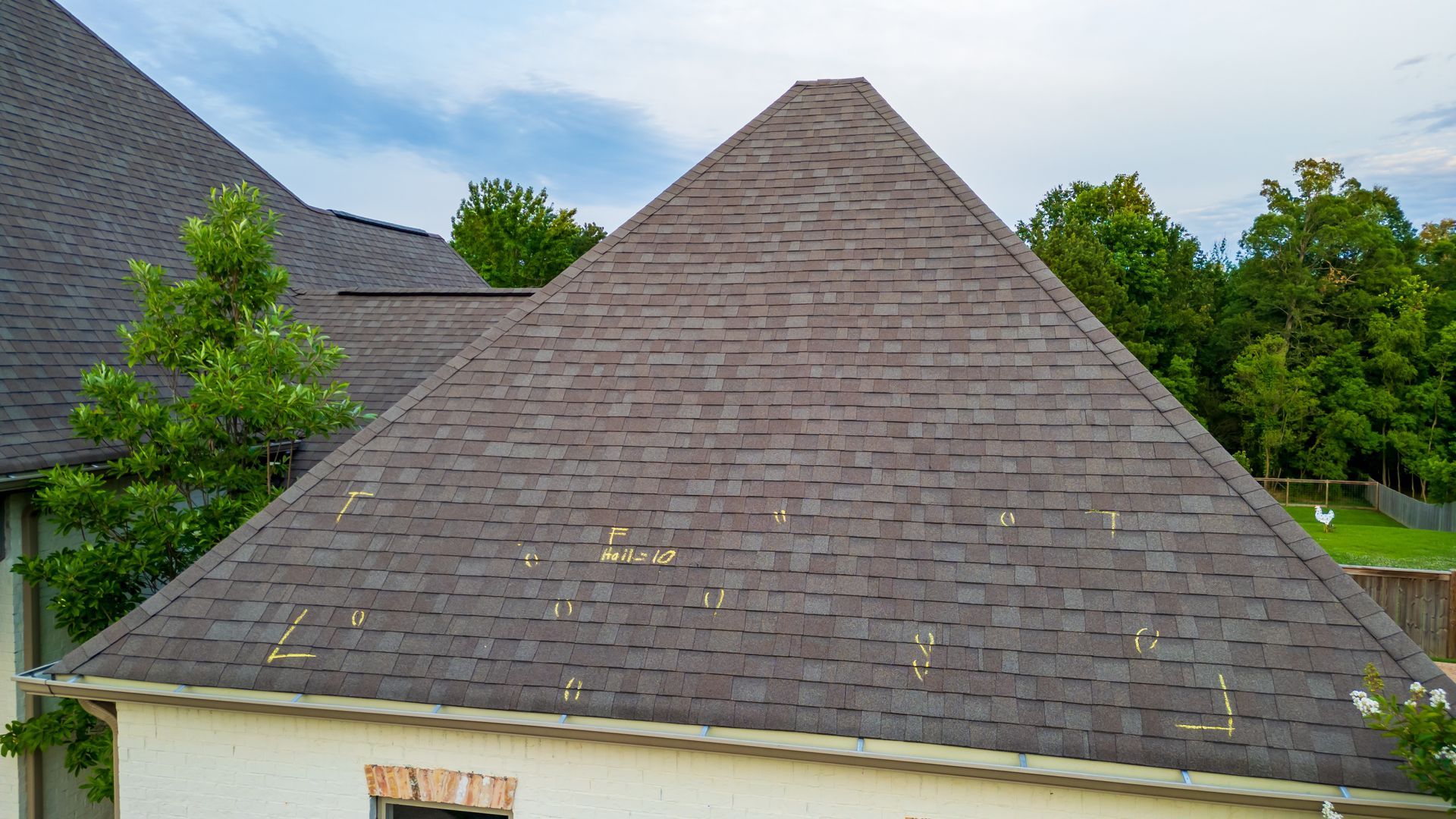
At Billy Harris Roofing, our experienced team provides thorough roof inspections, storm damage assessments and expert repair recommendations for homeowners throughout Fort Worth and Dallas. We understand how wind affects roofing systems and can identify problems before they become costly repairs.
Contact us at (817) 249-3338 or (800) 320-6074 to schedule a professional roof inspection and ensure your roof is ready for whatever the next storm brings.