Can Clogged Gutters Cause Roof Leaks?
Most homeowners think of clogged gutters as a nuisance that causes water to spill over the sides of the house.
While overflowing gutters can certainly create landscaping and foundation problems, they can also contribute to roof leaks. In fact, gutters play an important role in protecting your roofing system by directing rainwater safely away from the roof and your home's exterior.
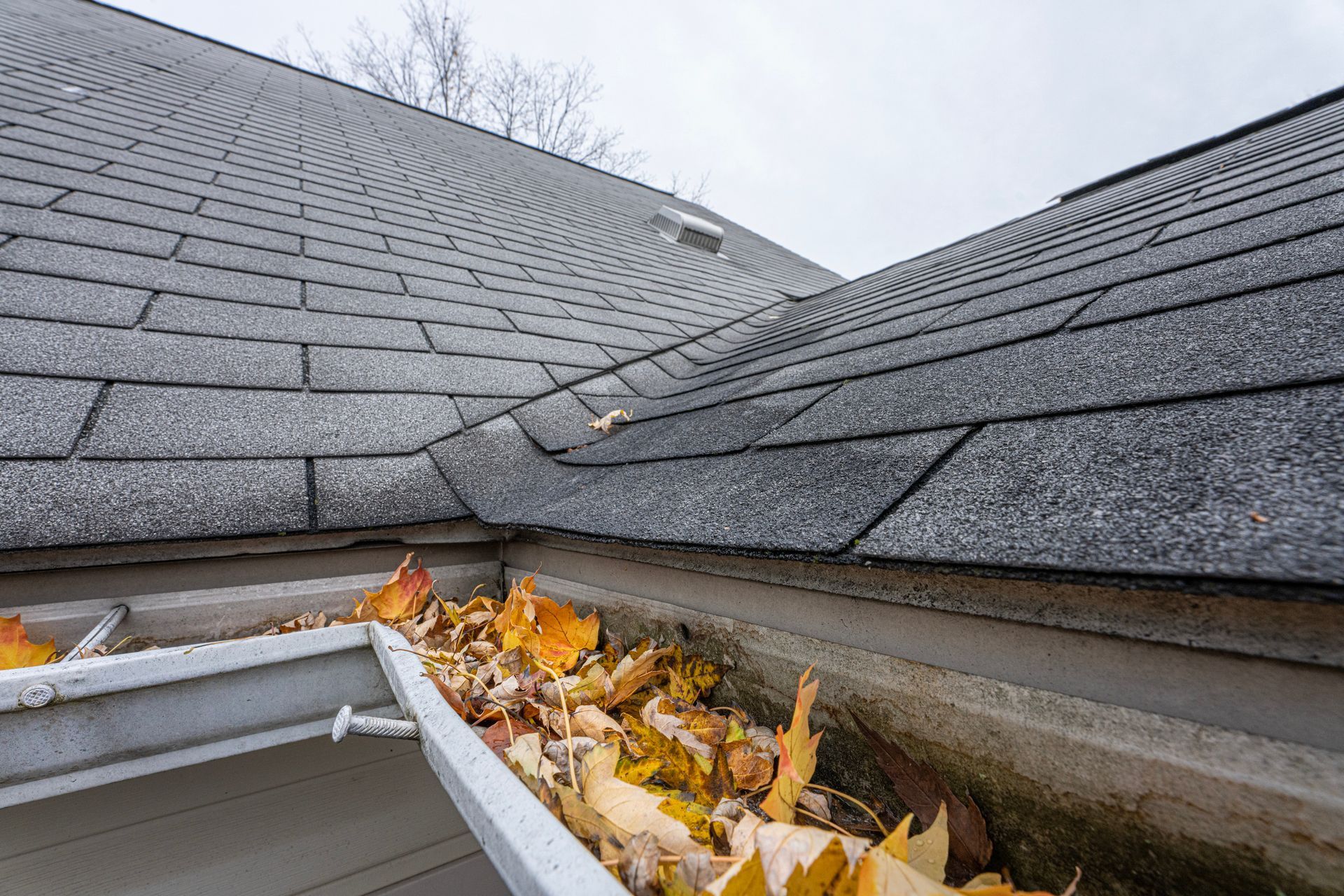
When gutters become clogged with leaves, twigs, dirt and other debris, water may temporarily pool along the eaves or back up beneath the lower edges of the shingles.
These materials are designed to shed water rather than withstand prolonged moisture exposure. Repeated backups can damage shingles, fascia and roof decking and eventually contribute to leaks inside the home.
Overflowing Water Has Nowhere to Go
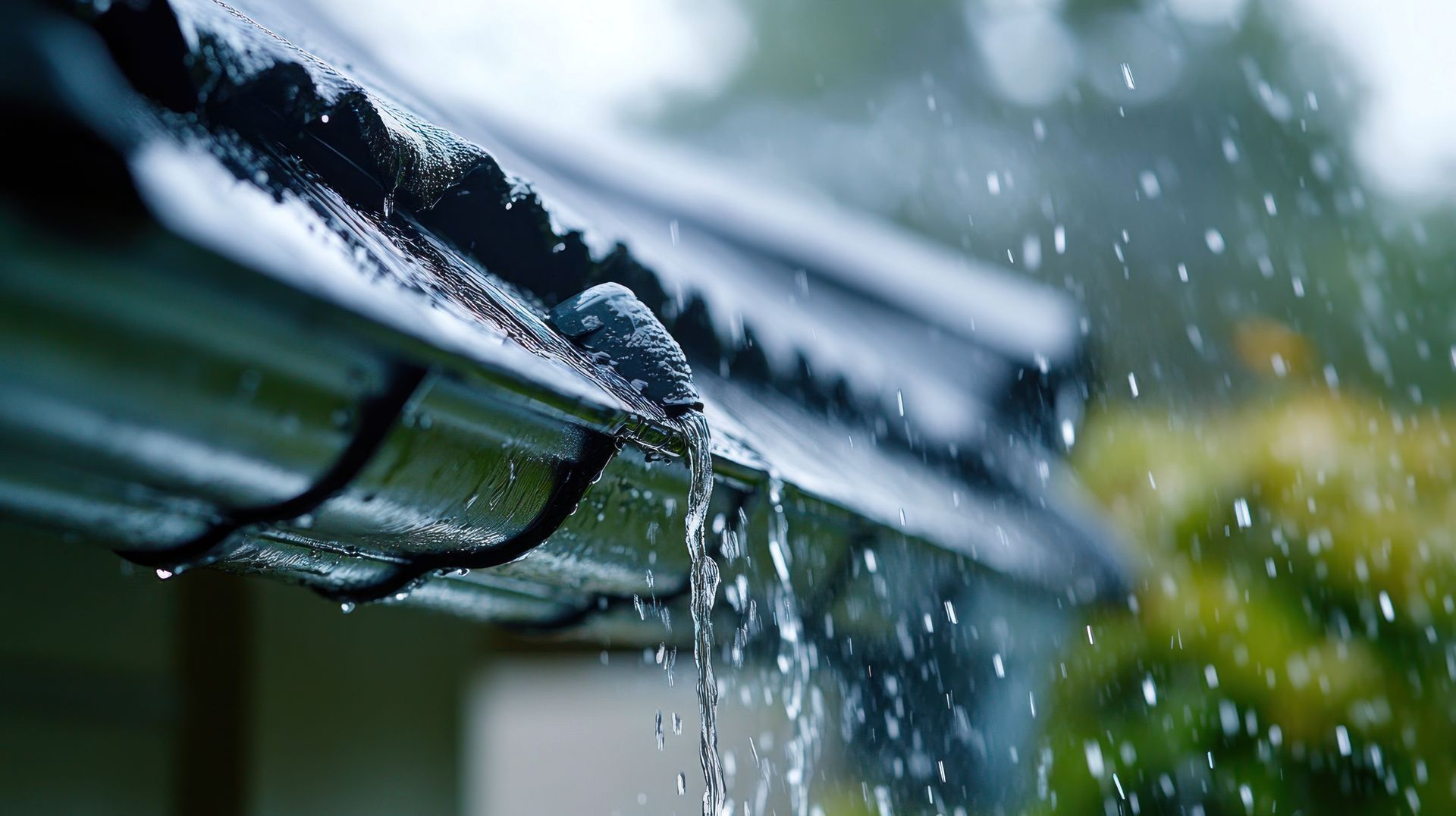
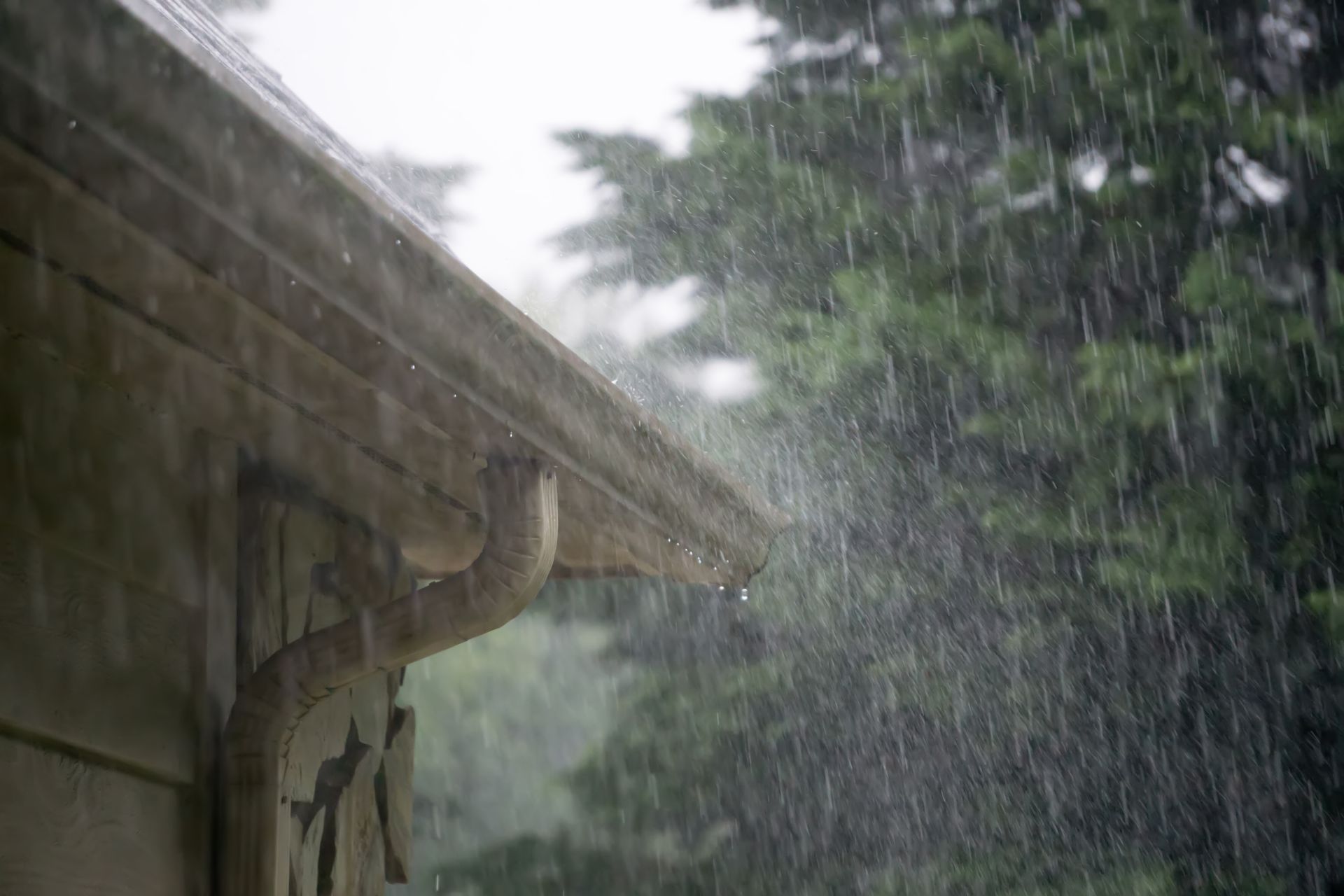
During heavy rain, clogged gutters can quickly fill beyond capacity. Most of the water will spill over the outside edge, but some can collect along the eaves or back up beneath the lower rows of shingles.
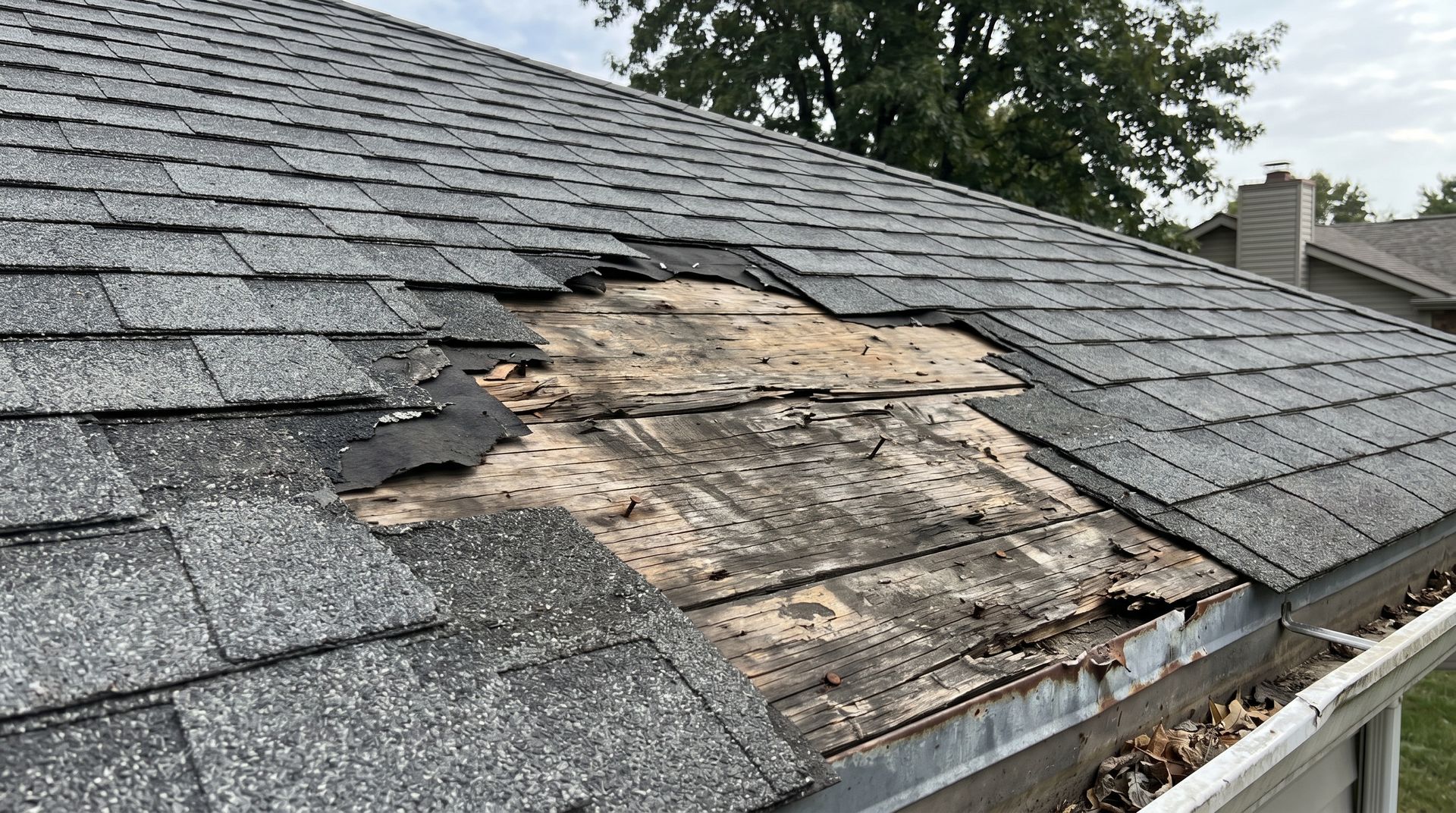
Shingles are designed to shed water flowing downward, and are much less effective when water begins pooling or moving underneath them. Once moisture reaches the roof decking, leaks can develop inside the home.
Clogged gutters is one potential reason homeowners may get leaks only during heavy storms, even if the roof itself appears to be in good condition.
Fascia Damage Can Lead to Water Intrusion
Water overflowing from clogged gutters can soak the fascia board. Over time, this prolonged exposure can cause:
- Wood rot
- Paint failure
- Warping
- Mold growth
- Structural weakening
As the fascia deteriorates, gaps can form between the roof edge and gutter system, creating additional pathways for water to enter your home.
Replacing damaged fascia is more expensive than simply keeping gutters clear in the first place.
Roof Edge Deterioration
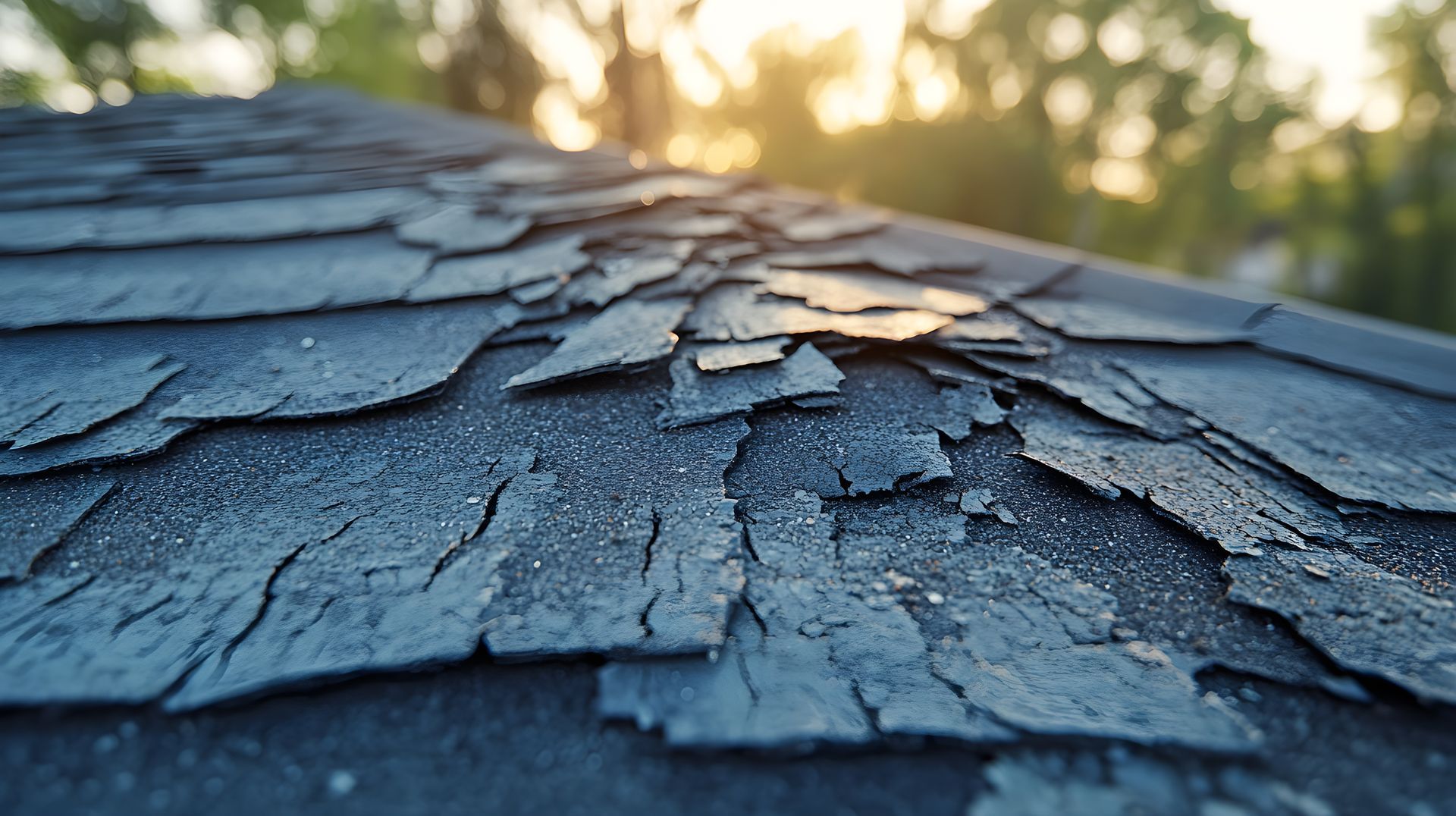
Lower shingles that are repeatedly saturated by standing water may begin to deteriorate more quickly than the rest of the roof. Shingles can loosen, adhesives may weaken and the roof decking underneath may absorb moisture over time.
Soffits Can Be Damaged by Overflowing Gutters
The soffit is the underside of the roof overhang and plays an important role in attic ventilation. While it's somewhat protected from direct rainfall, clogged gutters can expose soffits to much more moisture than they're designed to handle.
When overflowing water spills backward or runs behind the gutter instead of through it, it can soak the soffit panels and surrounding framing.
Over time, this can lead to:
- Water stains
- Wood rot
- Mold growth
- Peeling paint
- Reduced attic ventilation
- Pests
Underlayment Can Become Saturated
Although underlayment is designed to protect your home if small amounts of water get beneath the shingles, it isn't intended to remain constantly wet. When clogged gutters allow water to back up under the roof edge, the underlayment can become saturated.
Repeated exposure eventually causes the material to deteriorate, reducing its ability to protect your roof during future storms. Once both the shingles and underlayment are compromised, leaks become much more likely.
Valley Backups Can Make the Problem Worse
Roof valleys naturally direct large amounts of rainwater toward the gutters. If those gutters are clogged, water flowing through the valleys has nowhere to go.
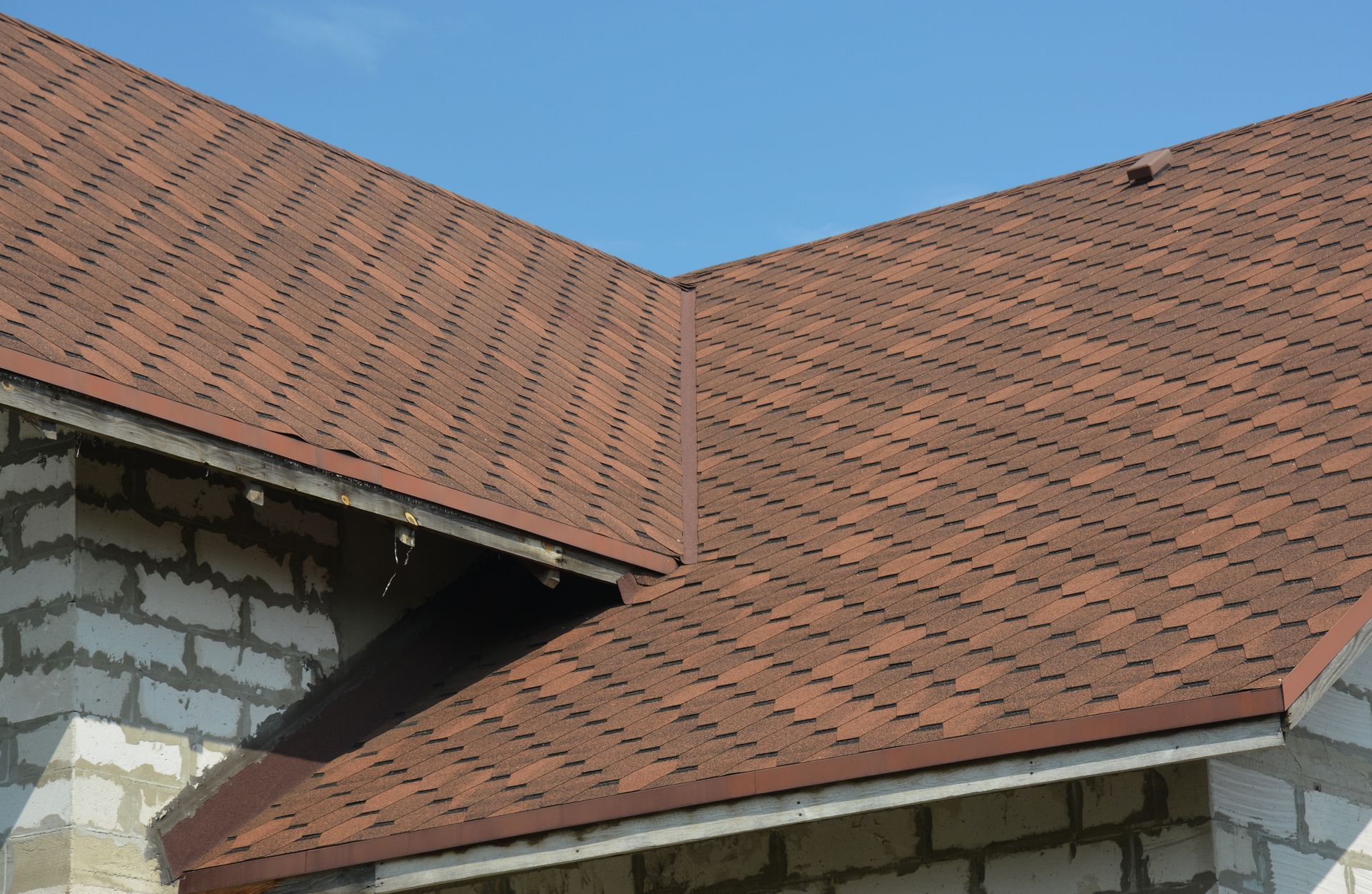
Instead of draining properly, water begins backing up into the valleys themselves. Since valleys already experience some of the heaviest water flow on the roof, even a small blockage at the gutter can create significant pooling.
As water remains trapped in the valley, it can work beneath shingles and flashing, eventually causing leaks inside your home.
Protect Your Roof with Regular Gutter Cleaning and Periodic Roof Inspections
While clogged gutters don't always cause roof leaks, they greatly increase the risk of water damage throughout your roofing system.
Overflowing water, deteriorating fascia boards, damaged soffits, weakened roof edges, saturated underlayment and backed-up roof valleys can all develop when rainwater isn't able to drain properly.
Routine gutter cleaning, roof inspections, and prompt repairs can help prevent these issues and extend the life of your roof.
Have Your Roof Inspected After Repeated Gutter Overflow
Water stains on siding, peeling paint near the roofline, rotting fascia, damp soffits and leaks that appear after heavy rain can all indicate that overflowing gutters have begun affecting your home’s exterior.
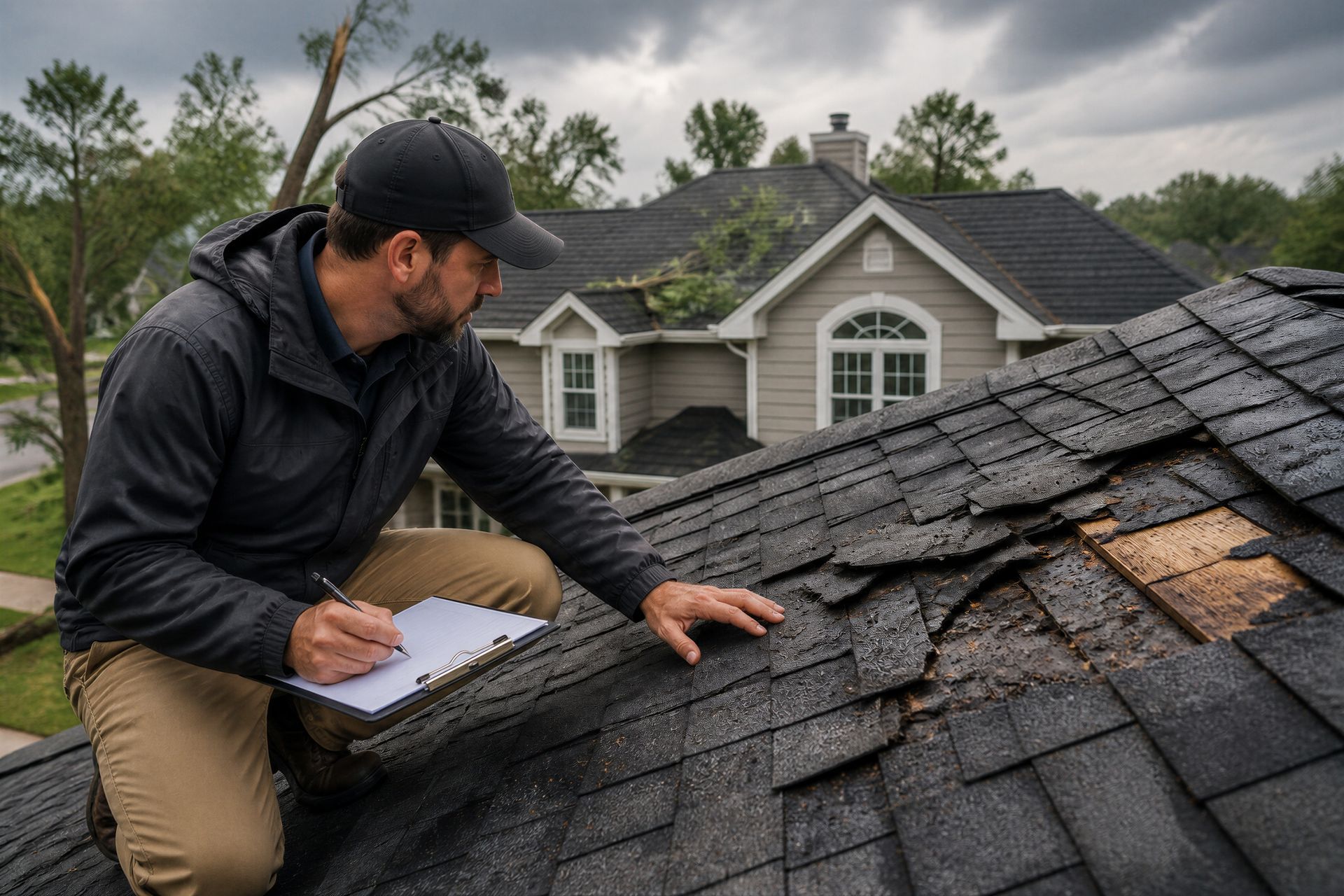
If you suspect water has backed up beneath your shingles or damaged the roof edge, Billy Harris Roofing can inspect the affected areas and determine whether repairs are needed.
Call Billy Harris Roofing today at (817) 249-3338 or (800) 320-6074 to schedule a professional roof inspection.