What Causes Roof Leaks That Only Happen During Heavy Rain?
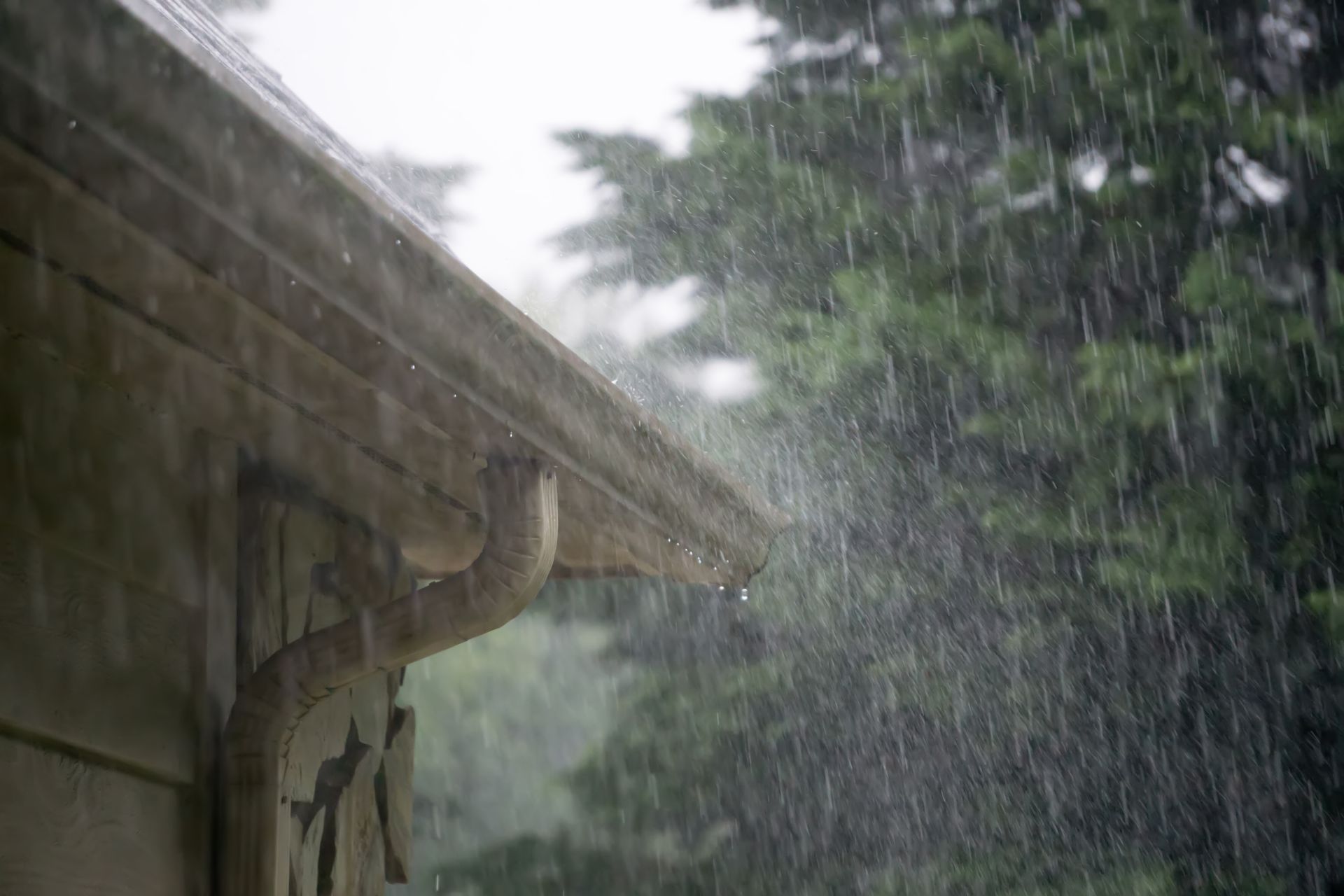
If your ceiling stays dry during light showers but starts dripping during a downpour, it doesn't necessarily mean you need a full roof replacement. In many cases, heavy rain simply exposes roofing defects that aren't noticeable during lighter storms by sending more water across vulnerable areas or forcing water into places it normally wouldn't reach.
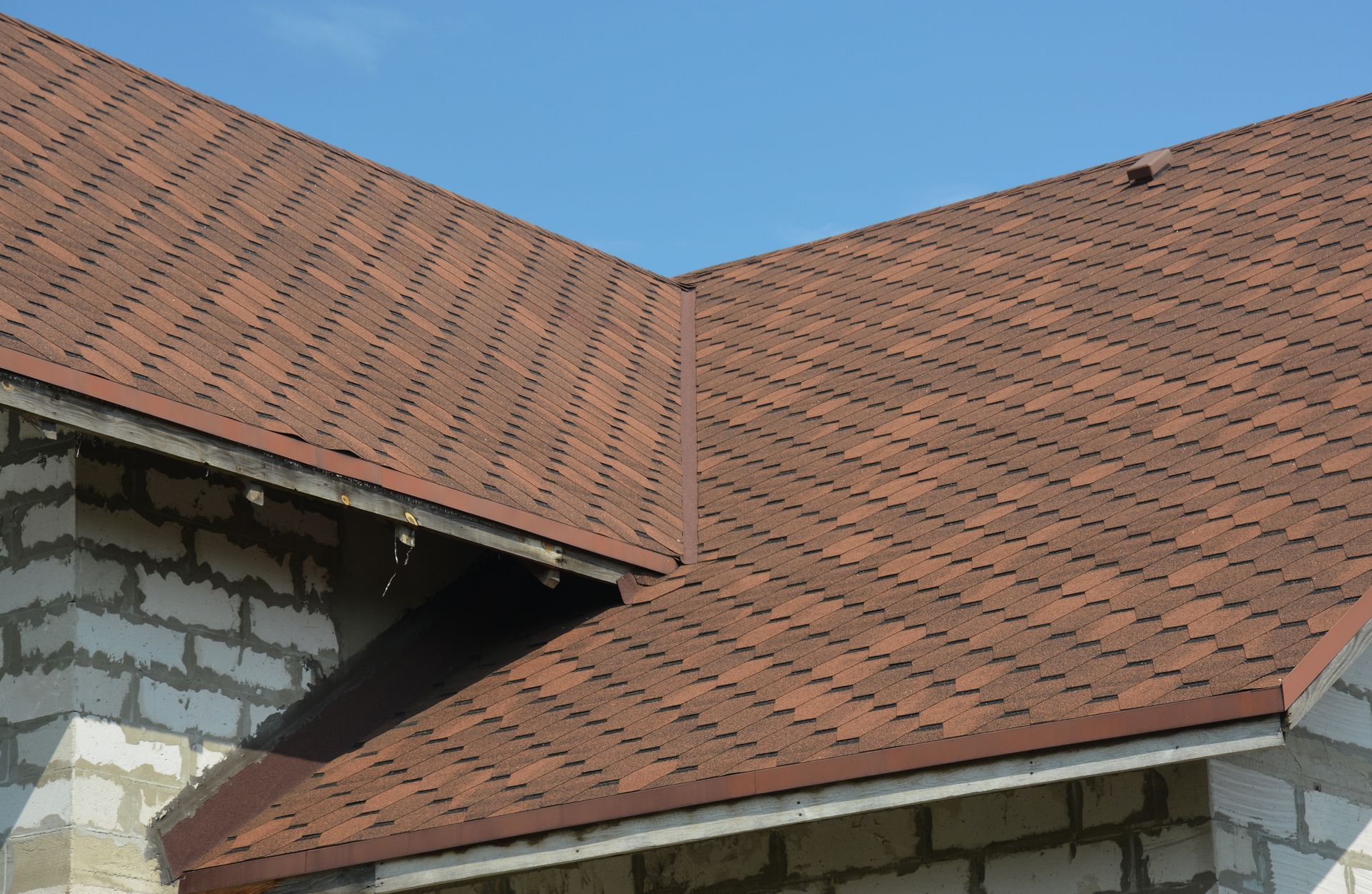
Flashing Problems Around Roof Openings
Flashing is the thin metal material installed around roof penetrations and transitions to keep water from entering vulnerable areas.
Over time, flashing may rust, loosen, separate, or develop gaps due to weather exposure and natural expansion and contraction. During heavy rainfall, large amounts of water flow over these areas, making any weakness much more likely to result in a leak.
Flashing problems commonly occur around skylights, plumbing vents, roof-to-wall intersections, and other roof features.
Wind-Driven Rain Can Reach Areas Normal Rain Doesn't
Heavy storms are often accompanied by strong winds that change the direction rain falls. Instead of flowing straight down the roof, wind-driven rain can be forced beneath shingles, around flashing or into small gaps that don't leak during lighter, calmer showers. If your roof only leaks during storms with heavy wind and rain, deteriorated flashing or damaged shingles may be allowing water to enter where it normally can't.
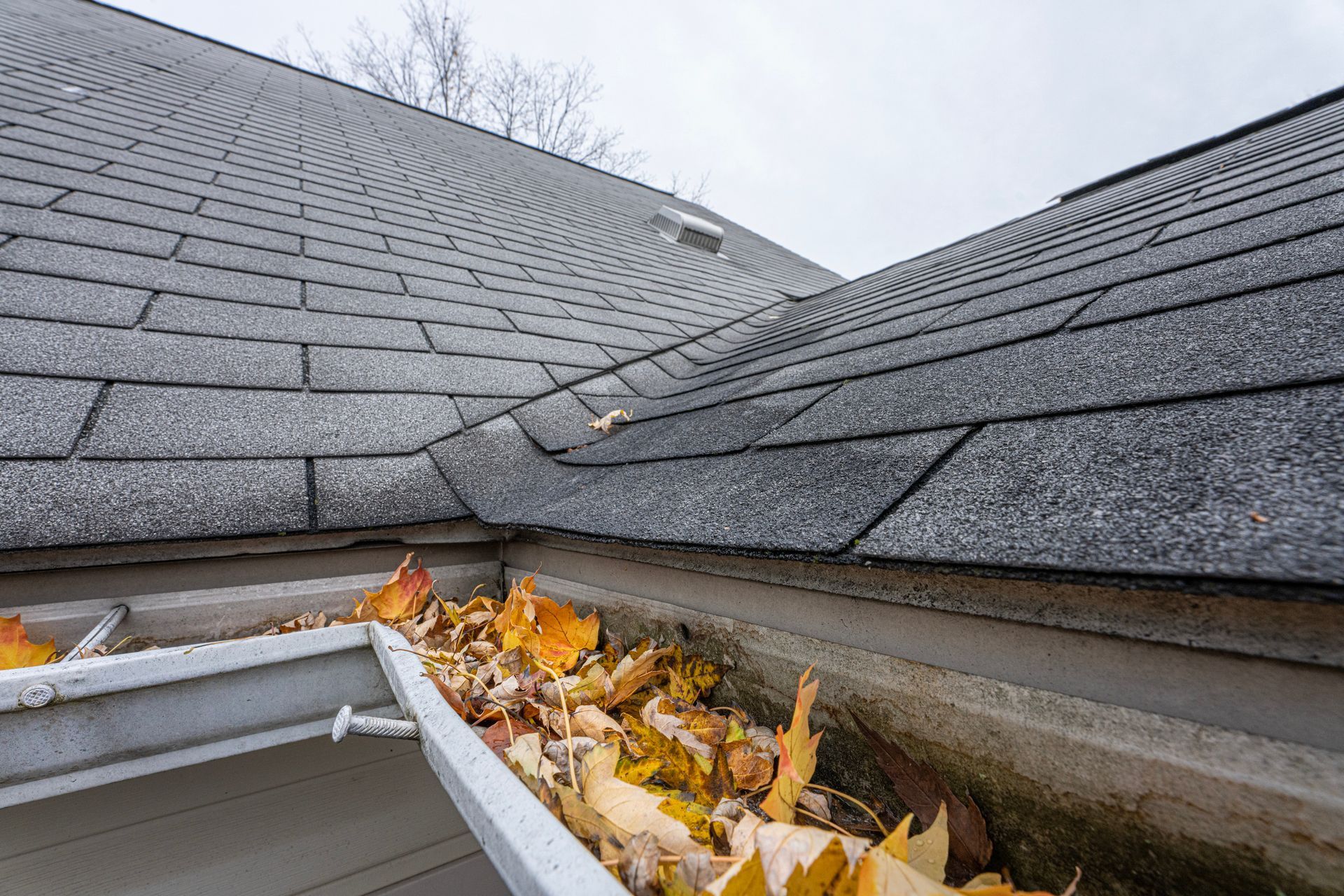
Valley Debris Causes Water Backup
Roof valleys are where two sections of the roof meet, creating a channel that directs rainwater toward your gutters. Because valleys carry a large volume of water, they're especially vulnerable during intense storms.
Leaves, pine needles, and other debris can build up in these areas over time. During a light rain, water may still drain around the obstruction. However, during heavy rainfall, the debris can block water flow and cause it to back up beneath the shingles, leading to leaks inside your home.
Keeping roof valleys free of debris is an important part of routine roof maintenance and can prevent many heavy-rain leaks.
Clogged Gutters Force Water Under the Roof
During heavy storms, overflowing gutters can cause water to pool along the roof's edge and seep underneath the shingles or behind the fascia. Since much more water is flowing during a downpour, clogged gutters are a common reason homeowners experience a leak only during heavy rain.
Cleaning your gutters at least twice a year and after major storms can help prevent this issue.
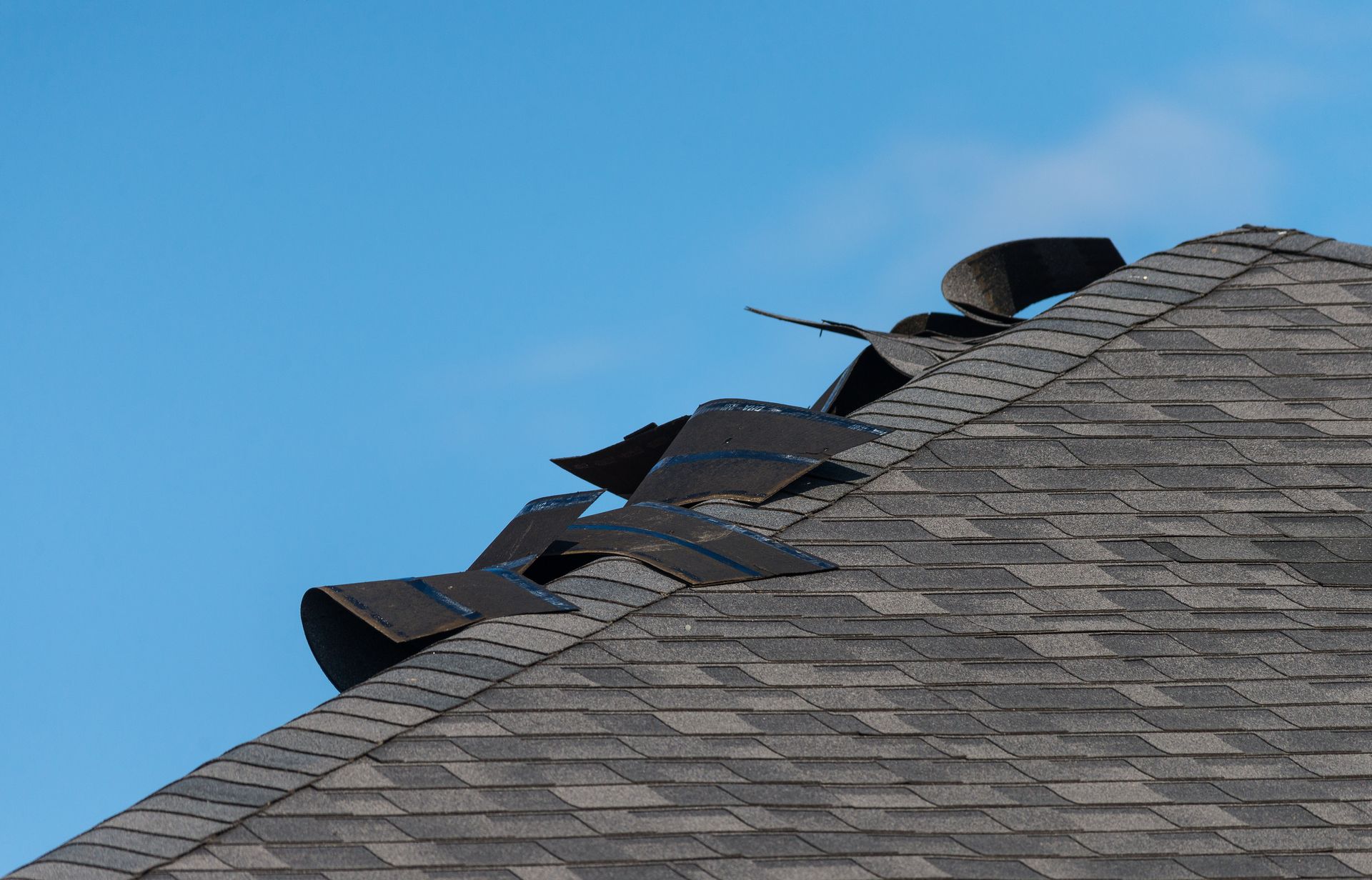
Lifted or Damaged Shingles
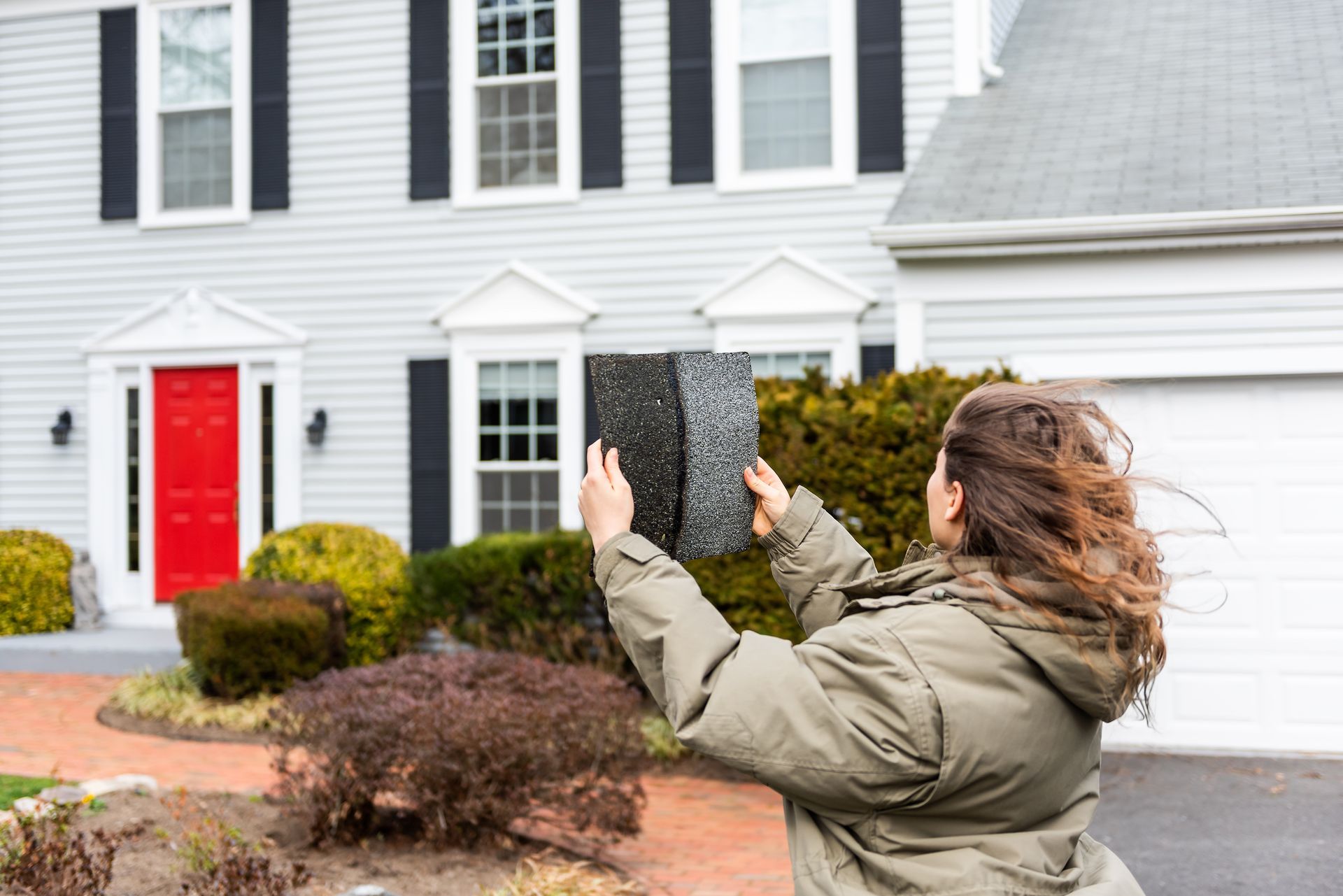
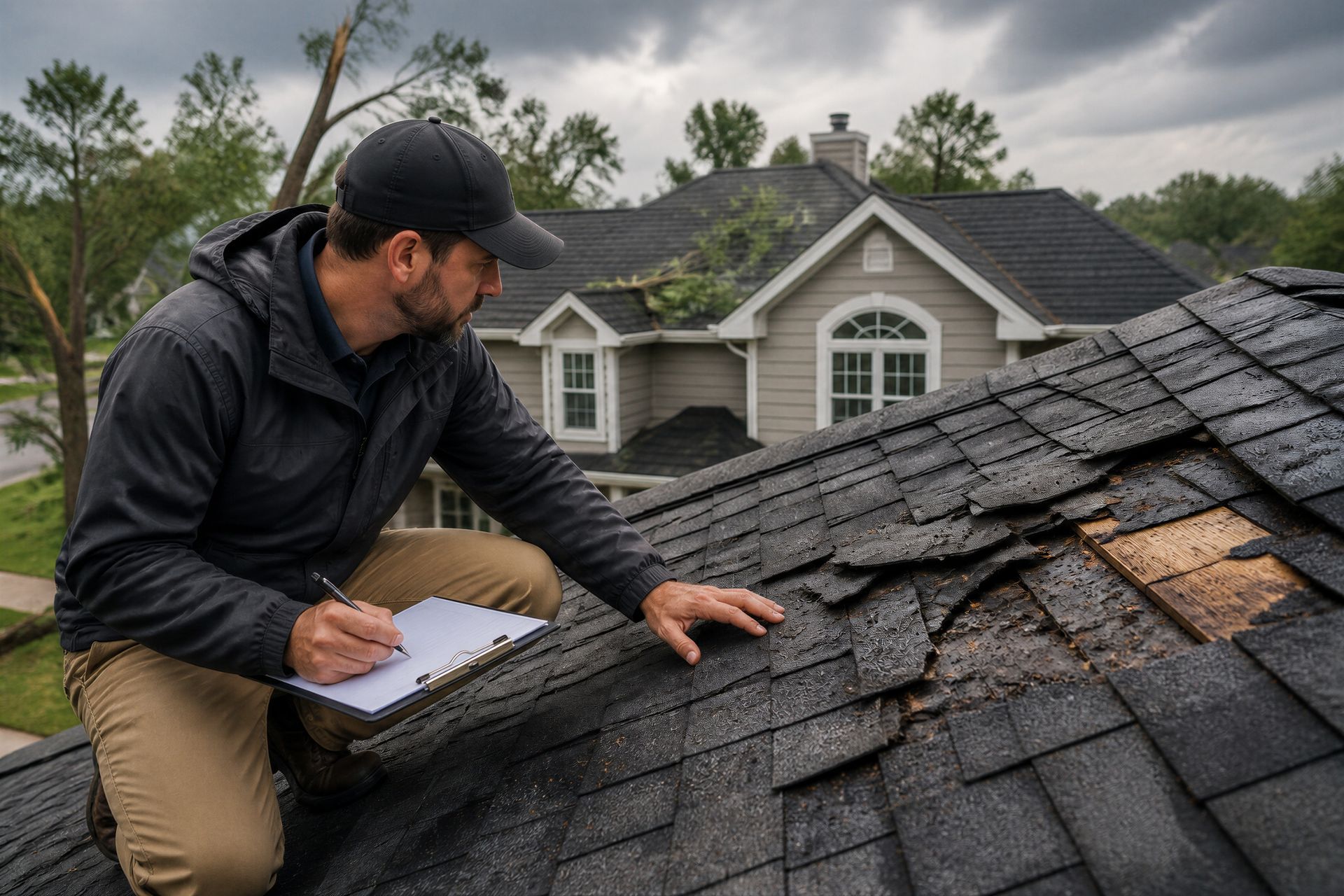
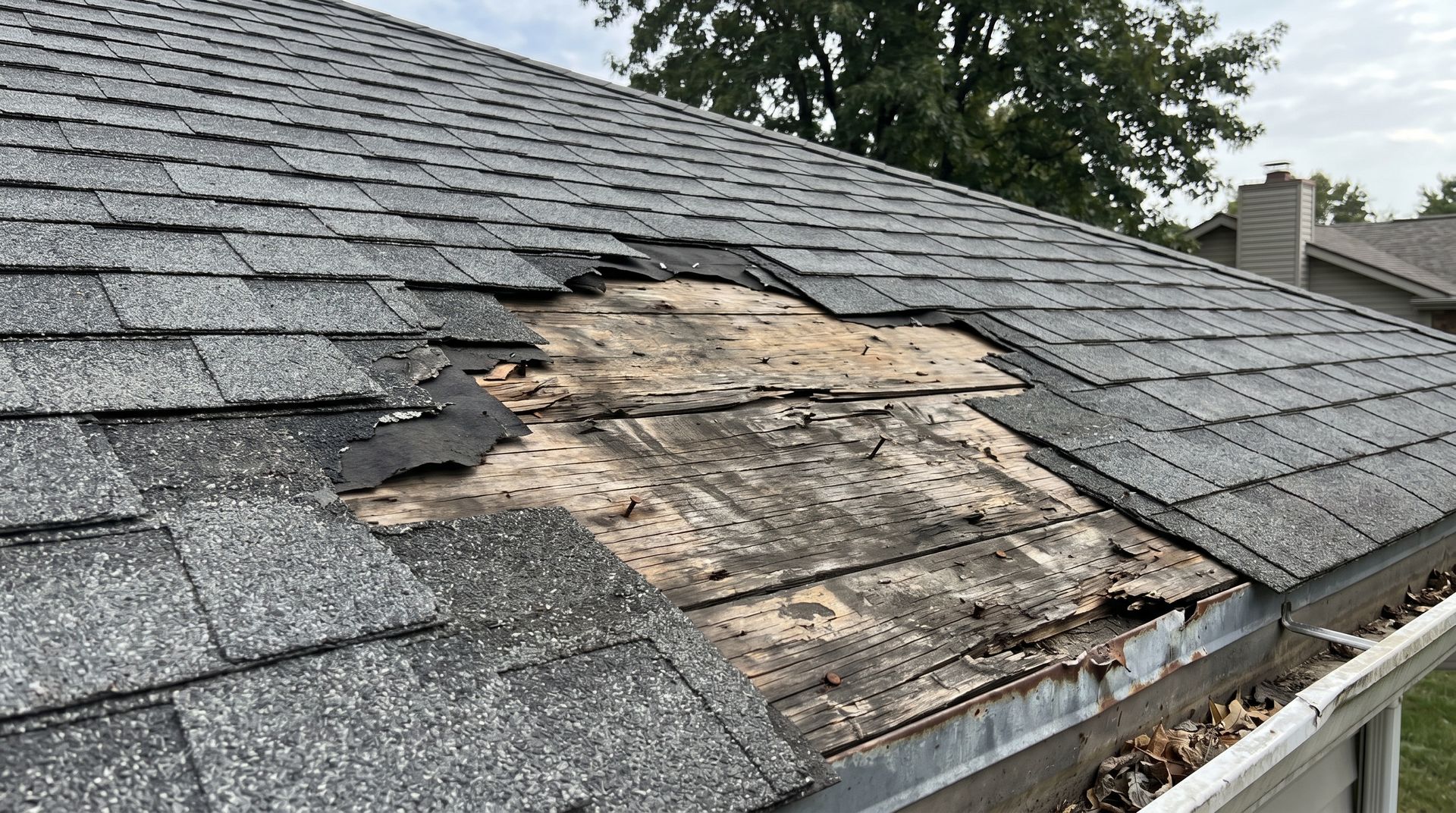
Heavy rain is often accompanied by strong winds that can force water upward beneath damaged shingles. Once moisture gets past the protective surface, it can soak the underlayment and roof decking before eventually appearing inside your home.
Nail Pops Create Small Openings
Roofing nails can gradually work their way upward as the roof expands and contracts with changing temperatures. These raised nails, known as nail pops, slightly lift nearby shingles and create tiny openings for water.
Light rainfall may not produce enough water to penetrate these small gaps, but during heavy storms, moisture can slowly enter around the exposed nail and reach the roof decking.
Worn Vent Boots
Every plumbing vent passing through your roof is sealed with a vent boot that prevents water from entering around the pipe.
The rubber collar on the boot naturally wears out after years of exposure to sunlight and changing weather conditions. As it cracks or separates, rainwater can enter around the pipe.
Heavy rainfall delivers much more water to these openings, making deteriorated vent boots a common cause of leaks that only appear during severe weather.
Fortunately, replacing a vent boot is usually a relatively simple repair when caught early.
Chimney Flashing Failures
Chimneys require multiple pieces of flashing to create a watertight seal where masonry meets the roof.
Over time, flashing may loosen, mortar joints can crack, or sealants may deteriorate. During heavy rain, water can easily find its way through these openings and into your attic or ceilings.
If water stains appear near your fireplace or chimney after large storms, deteriorating chimney flashing may be the culprit.
Schedule a Professional Roof Inspection in Benbrook or Fort Worth, TX
The experienced team at Billy Harris Roofing can identify the exact source of your roof leak and recommend the most effective repair.
Contact us at (817) 249-3338 or (800) 320-6074 to schedule a professional roof inspection and keep your home protected through every storm.