How Overflowing Gutters Create Fascia and Foundation Problems
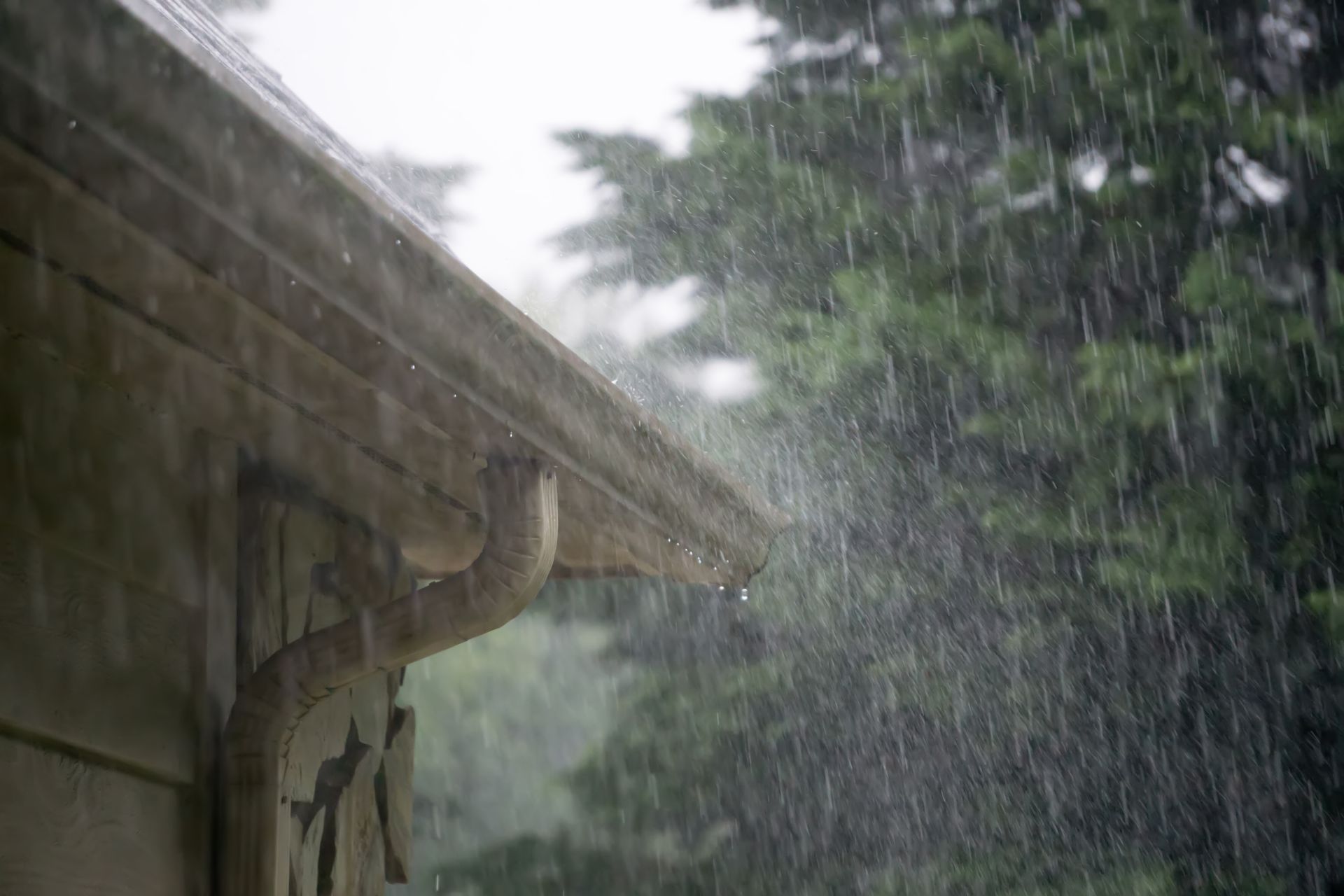
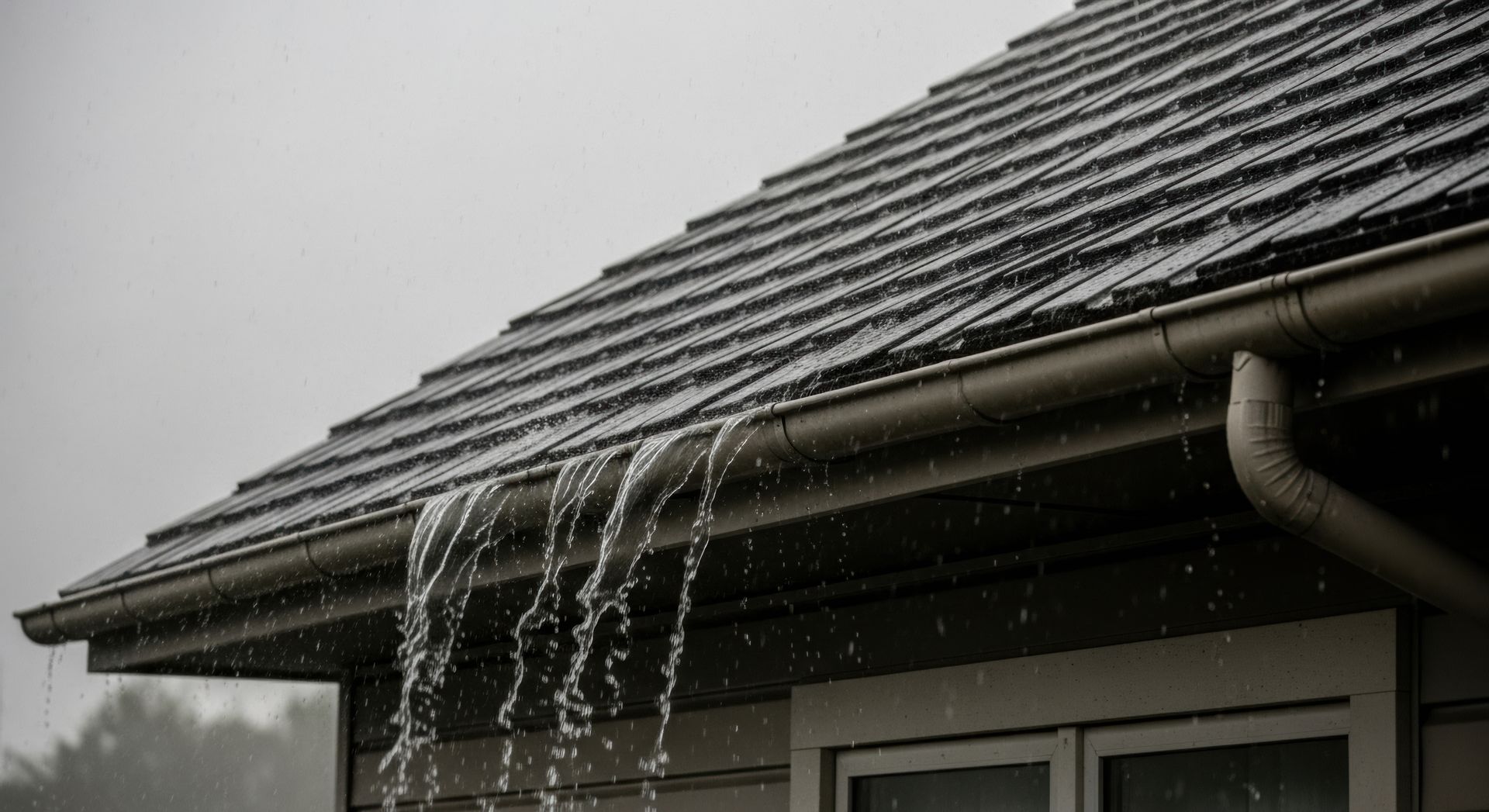
Gutters play a critical role in protecting your home from water damage. Their primary job is simple: collect rainwater from the roof and direct it safely away from the structure. However, when gutters become clogged or begin overflowing, that water has nowhere to go. Instead of draining away from the house, it spills over the edges and begins damaging parts of the home that were never designed to handle constant moisture.
Two of the most common areas affected by overflowing gutters are the fascia along the roofline and the foundation at the base of the home. While these issues often start small, they can quickly lead to costly repairs if left unaddressed.
What Causes Gutters to Overflow?
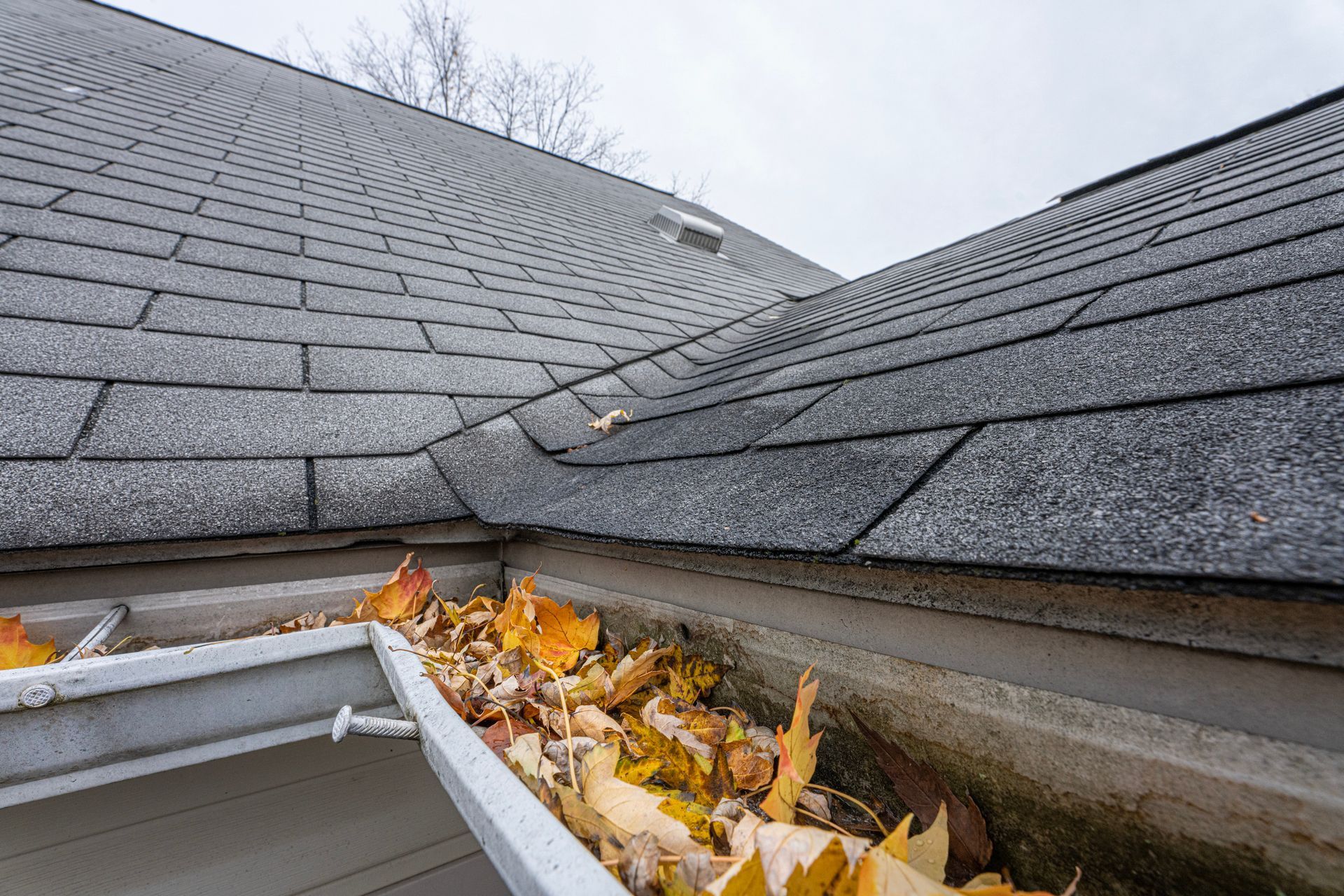
- Clogged gutters are the most common cause. Leaves, twigs, pine needles and roof debris can accumulate inside the gutter channels and block the flow of rainwater. When water backs up behind the blockage, it eventually spills over the edge.
- Improper gutter slope can also lead to overflow.
Gutters should be installed with a slight downward angle so water naturally flows toward the downspouts. If the slope is incorrect, water may pool in certain areas until it spills over.
- Downspout blockages create similar problems. Even if the gutters themselves are clear, a clogged downspout can prevent water from draining properly.
- Gutters that are damaged, sagging or too small for the roof may not be able to handle heavy rainfall. During intense storms common in North Texas, large volumes of water can quickly overwhelm the system.
How Overflowing Gutters Damage Fascia
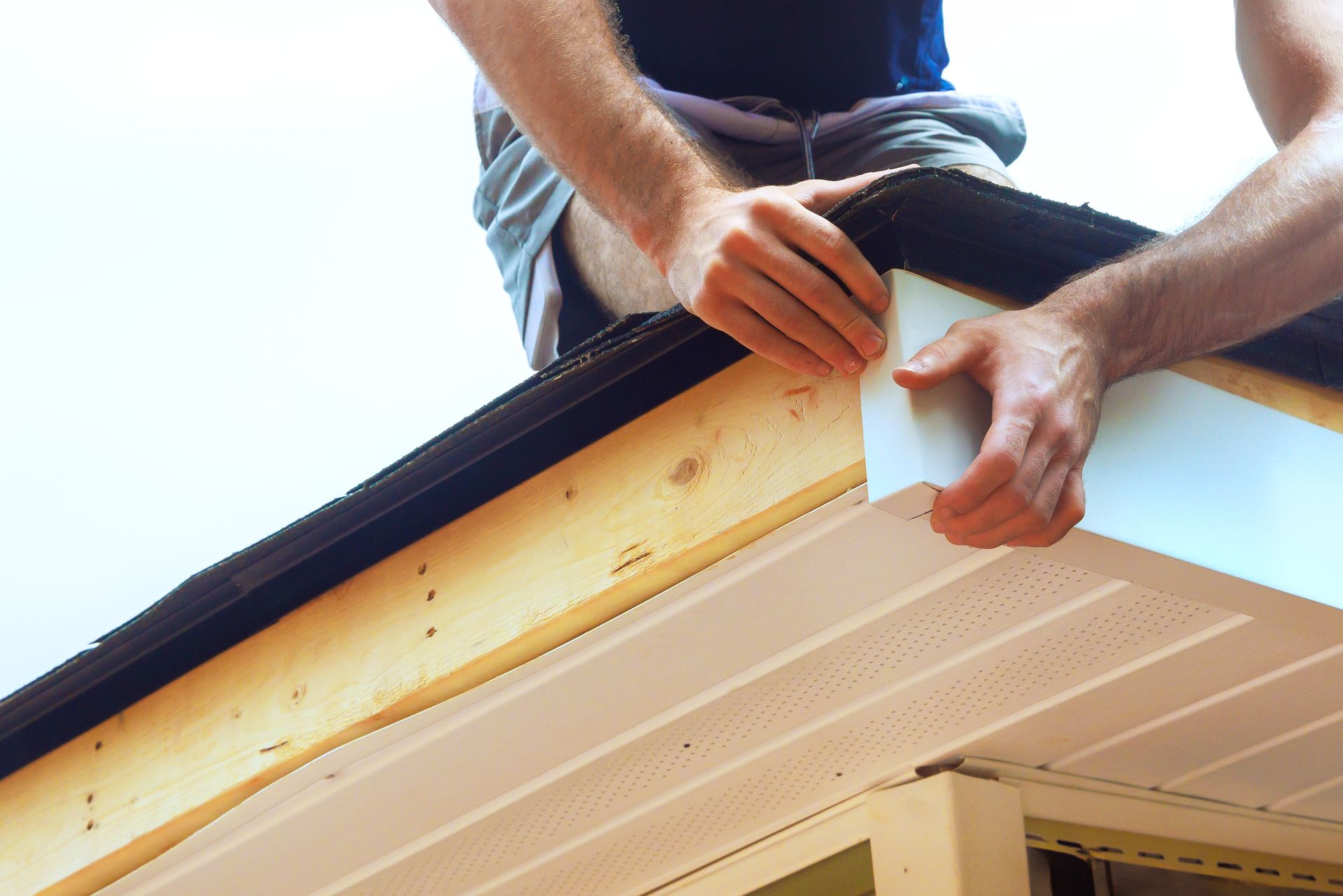
The fascia board is the horizontal board located along the edge of the roof where gutters are mounted. This component helps support the lower edge of the roof and provides a finished appearance along the roofline.
When gutters overflow, it’s the fascia board that suffers the brunt of the damage. Over time, this repeated exposure to moisture can cause serious problems.
Wood Rot
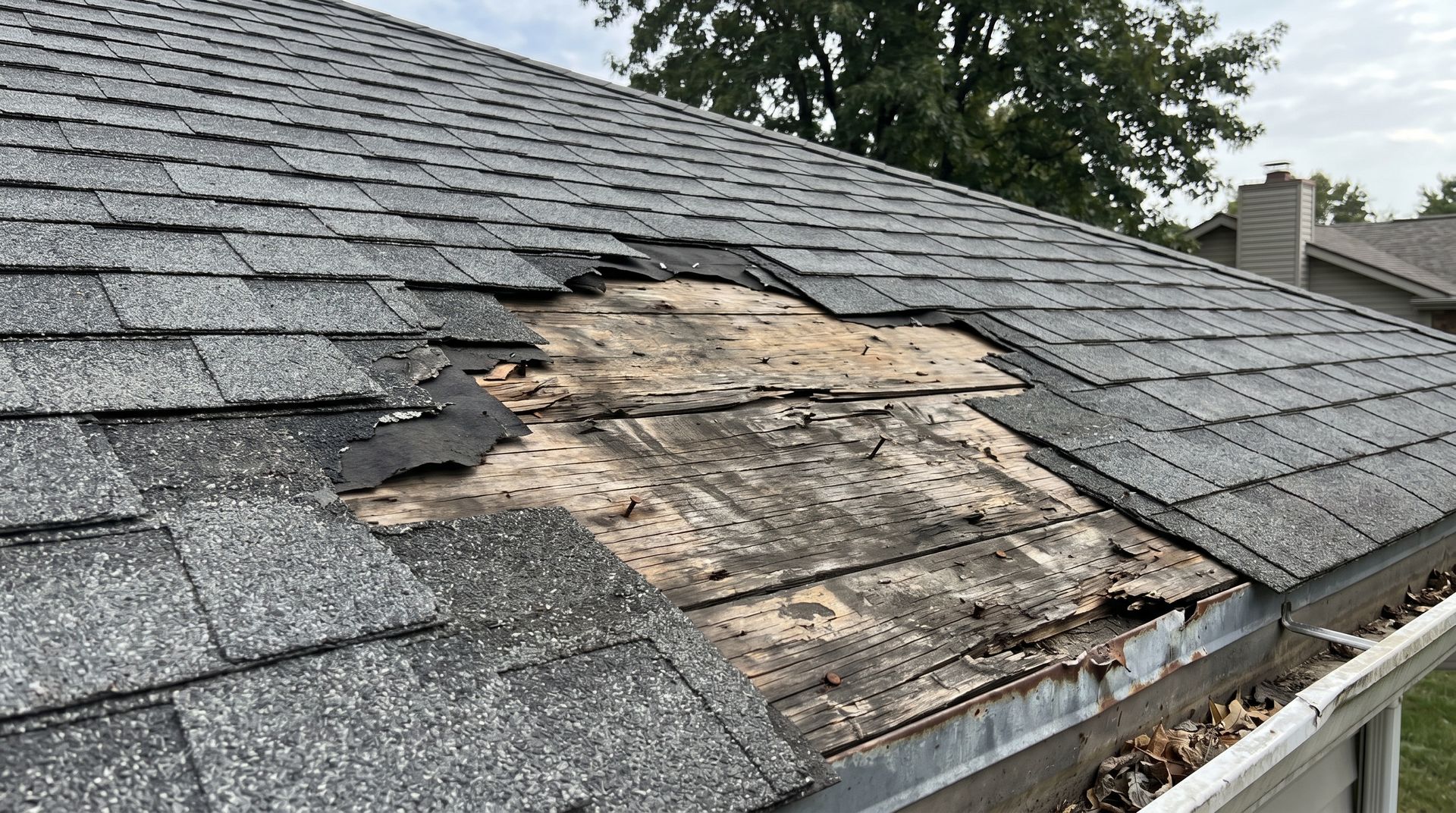
Many fascia boards are made from wood or wood composite materials. When these materials are repeatedly soaked, they begin absorbing moisture. Eventually, this leads to rot and deterioration.
Rotting fascia boards lose their structural strength and may no longer be able to properly support the gutters attached to them.
Peeling Paint and Surface Damage
Even before rot develops, homeowners may notice peeling paint, staining or bubbling along the fascia. These are early signs that moisture is penetrating the surface.
Gutter Detachment
As fascia boards weaken from moisture damage, the screws or nails holding the gutters in place may begin pulling out. This can cause sections of the gutter system to sag or detach completely. Once gutters begin separating from the roofline, water damage can escalate quickly.
How Overflowing Gutters Affect Your Foundation
Water that spills over the edges of the gutter system or runs down fascia will eventually reach the ground and soak in around the base of your home. Over time, this excess water can saturate the soil around the foundation.
Soil Expansion and Movement
North Texas soil contains clay that expands when wet and contracts when dry. When gutters overflow regularly, the ground around the foundation may absorb large amounts of water. This constant moisture can cause soil movement that places pressure on the foundation walls. Over time this can contribute to cracking, shifting or uneven settling.
Basement or Crawl Space Moisture
If water consistently pools near the base of the home it may begin seeping into crawl spaces or basements. This can create damp conditions that encourage mold growth and wood damage.
Erosion Around the Home
Overflowing gutters can also wash away soil around landscaping beds and foundation edges. As soil erodes, it may expose parts of the foundation that were meant to remain covered and protected.
Warning Signs of Gutter Overflow Problems
- Water spilling over the sides of gutters during rainstorms is the most obvious sign.
- Peeling paint or discoloration along the fascia or water stains on siding can indicate that gutters are not draining properly.
- Pooling water at the base of your home, eroded landscaping or visible foundation cracks may signal that drainage issues are developing.
- If any of these problems appear, it is important to address them quickly before more extensive damage occurs.
Preventing Gutter Overflow and Water Damage
- Regular gutter cleaning is essential. Removing leaves and debris allows water to flow freely through the system.
- Inspect gutters periodically for sagging sections, loose fasteners or damaged components.
- Ensure downspouts are clear and directing water away from the home’s foundation or into an appropriate drainage system.
- Installing gutter guards can help reduce the amount of debris that collects in the system, reducing the risk of clogs.
Protect Your Home in Benbrook and DFW with Professional Gutter and Roofing Services
Billy Harris Roofing provides expert gutter and roof repair services for homeowners throughout Dallas–Fort Worth. Our team can inspect your gutter system, identify drainage problems and recommend the best solutions to protect your home from overflow and damage.
Contact us at (817) 249-3338 or (800) 320-6074 to schedule a gutter inspection.