What Insurance Companies Consider When Evaluating Roof Damage Claims
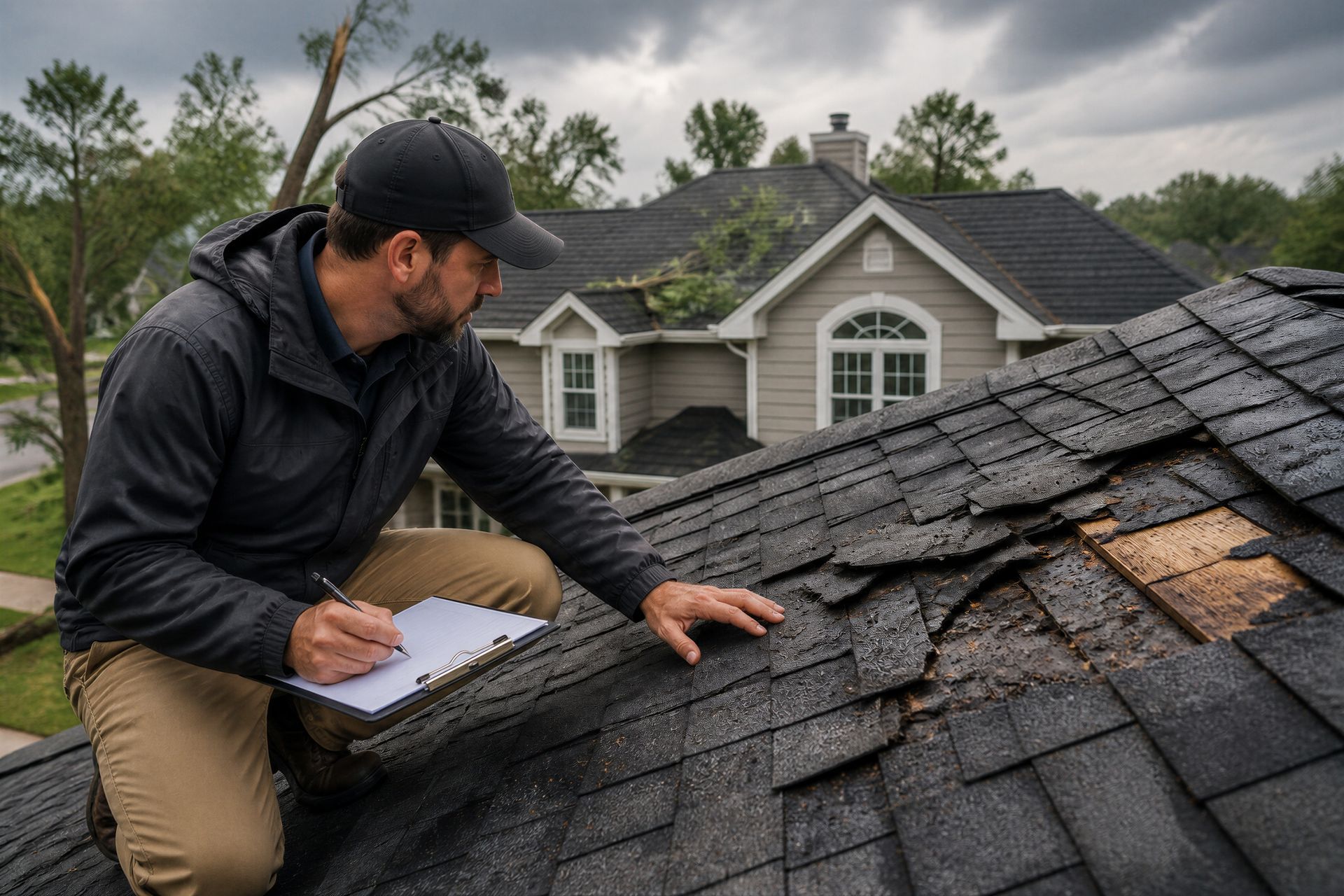
When you file a roof damage claim after a hailstorm, high winds or another severe weather event, the insurance company will want to independently determine the extent and cause of the damage. The adjuster will attempt to determine when the damage likely occurred, how extensive it is and whether the condition of the roof is consistent with a covered event rather than normal wear and tear.
The amount the insurer may pay can also depend on the type of roof coverage you have, your deductible and whether repairs or full replacement are necessary.
Clear photographs, inspection notes and other documentation from a reputable local roofer can help establish exactly what happened and give the insurance company the information it needs to evaluate the claim.
Evidence the Damage Came From a Covered Event
One of the first questions an insurance company asks is whether the damage resulted from a covered peril, such as hail, high winds or falling tree limbs. To make that determination, adjusters evaluate the roof alongside weather reports, the date of the reported loss and the type of damage present.
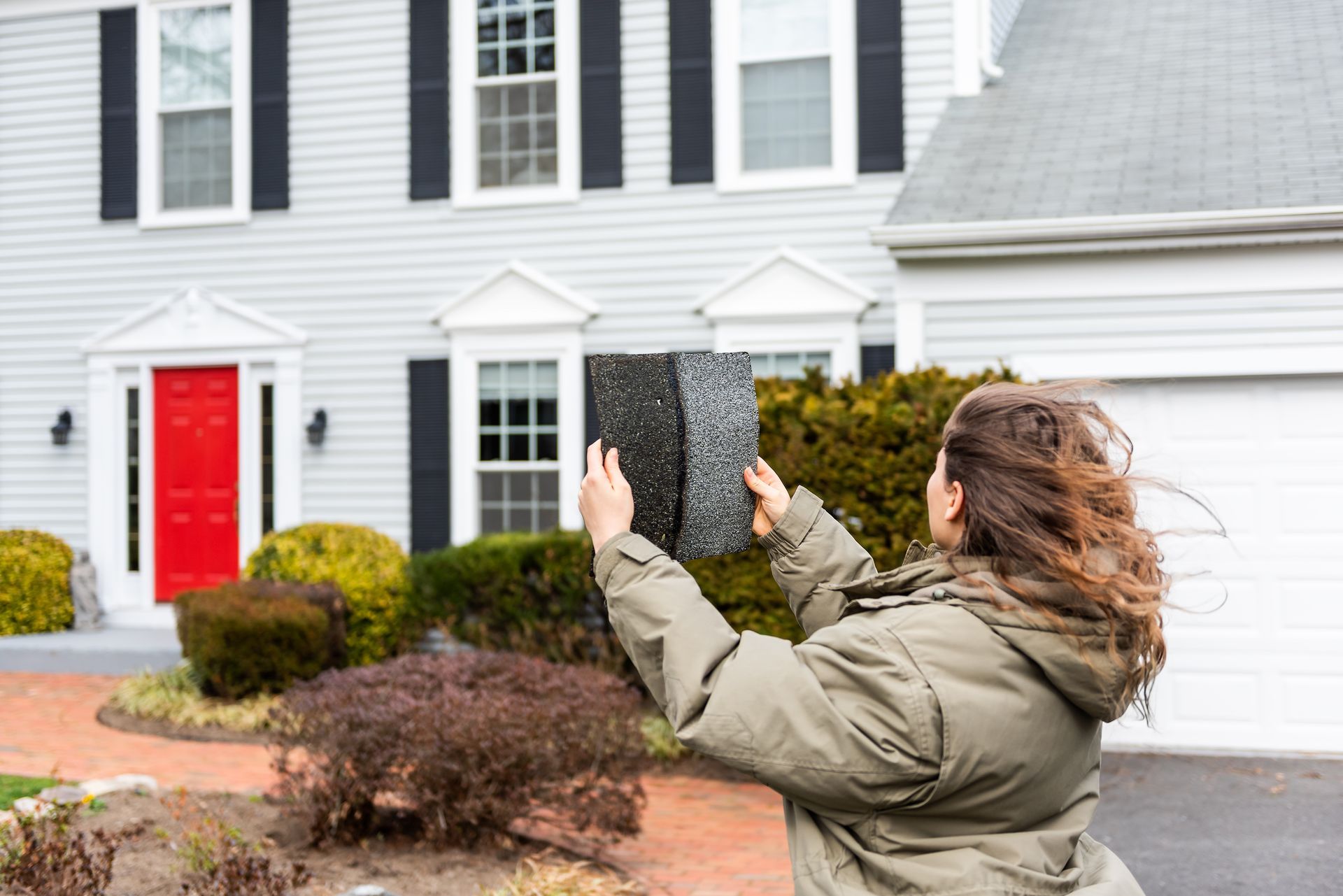
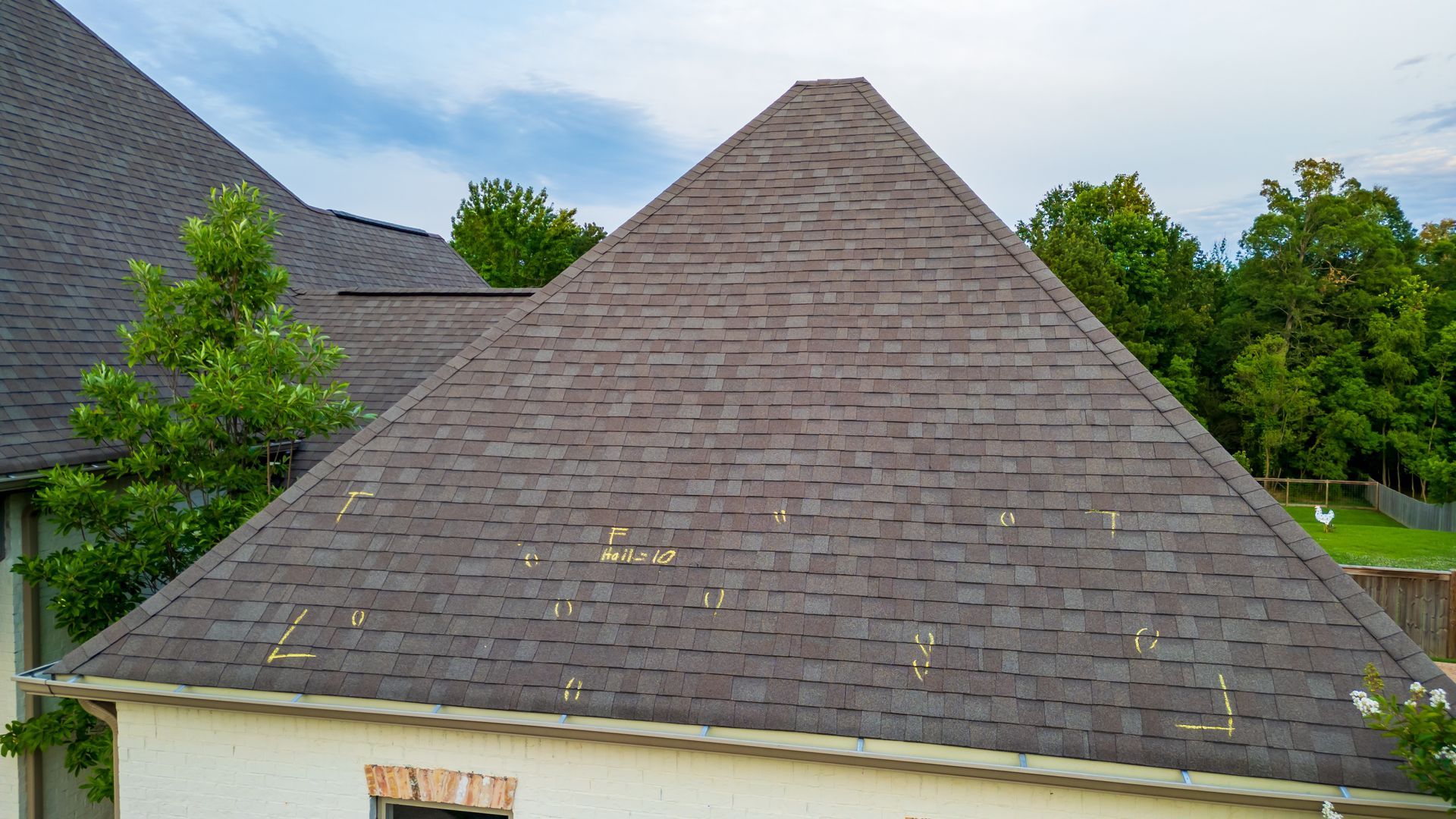
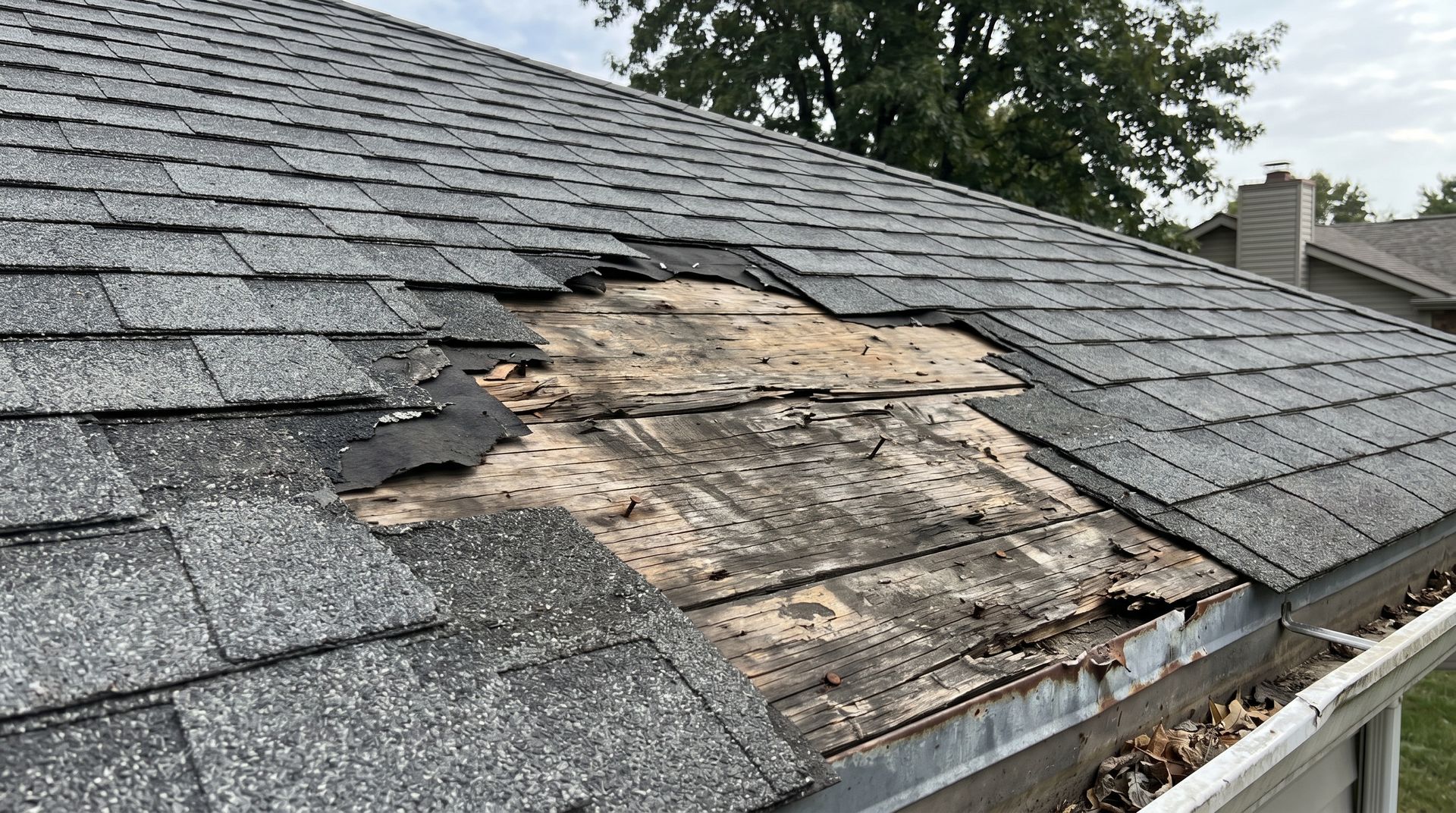
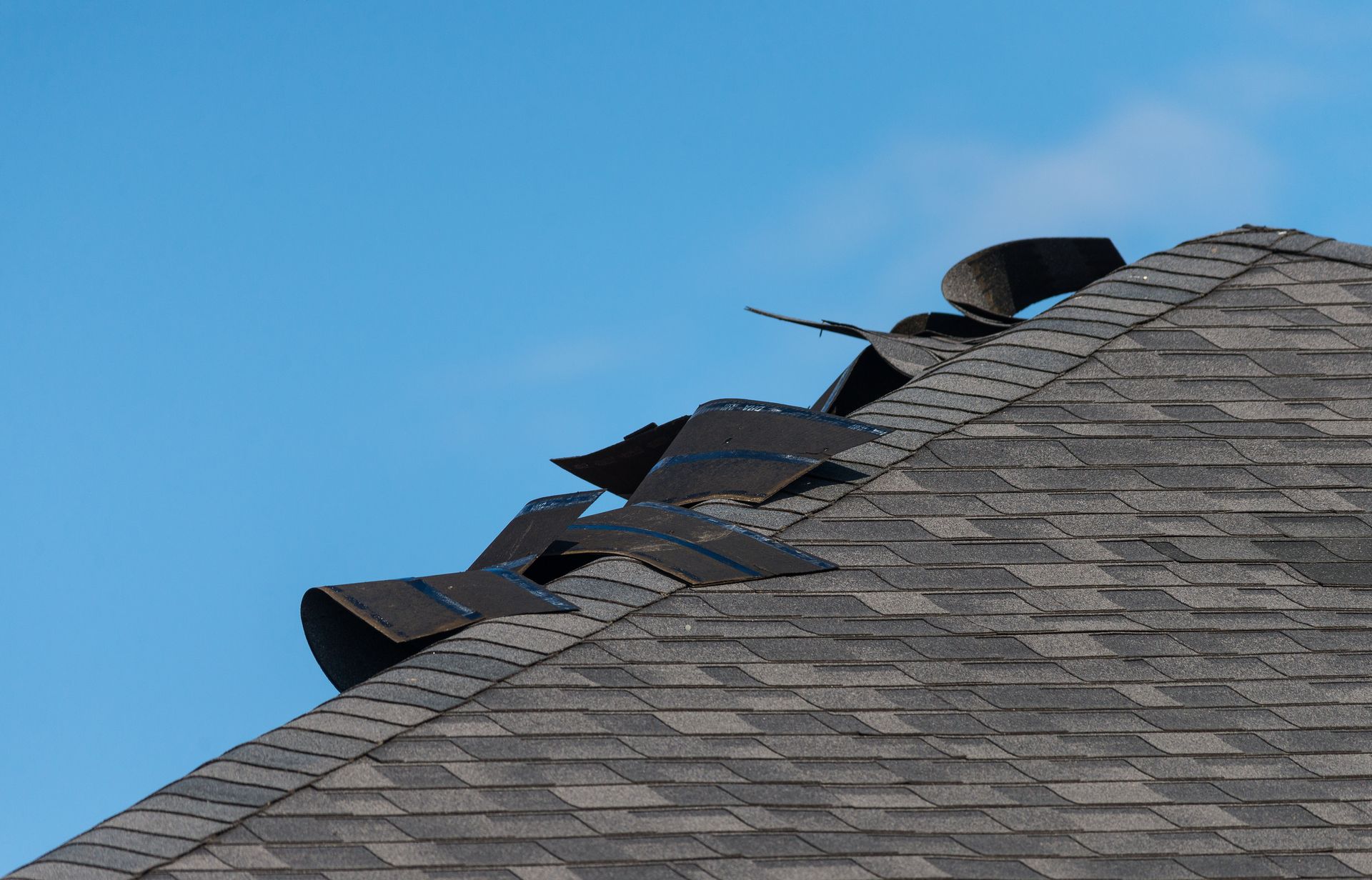
Hail may leave impact marks on shingles, vents, gutters or other metal components, while strong winds can lift, crease or remove shingles. The overall pattern of damage is often just as important as individual areas of concern, helping adjusters determine whether the roof was affected by a specific storm rather than gradual deterioration.
After a major, headline-making storm in Dallas–Fort Worth, the date and likely cause of damage may be easier to establish because many homes in the same area were affected by the same weather event. A large volume of claims can slow the process, but it can also provide a clearer record linking roof damage to a specific storm.
Signs of Storm-Created Openings
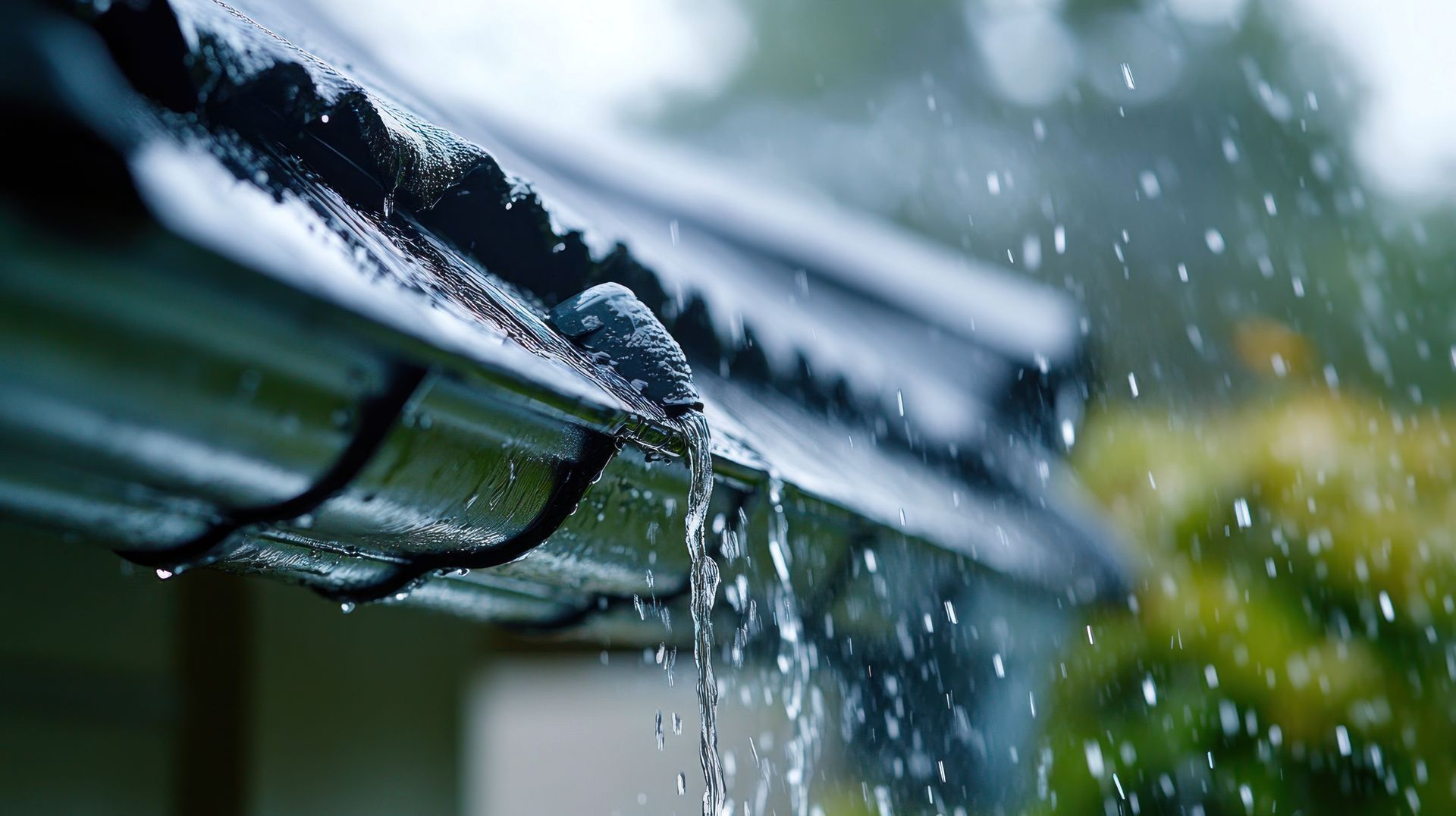
Evidence of a storm-created opening becomes particularly important when a claim includes interior water damage. Homeowners insurance generally covers sudden water damage caused by a covered event, but it typically does not cover damage caused by long-term leaks, deterioration or neglected maintenance.
If wind tears shingles loose, damages flashing or creates an opening around a vent, chimney or another roof penetration, rain entering through that damaged area may be covered as part of the storm claim.
Adjusters will look closely at the roof to determine whether there is physical damage consistent with the reported storm and whether it provides a plausible path for water to enter the home.
Age vs. Storm Damage
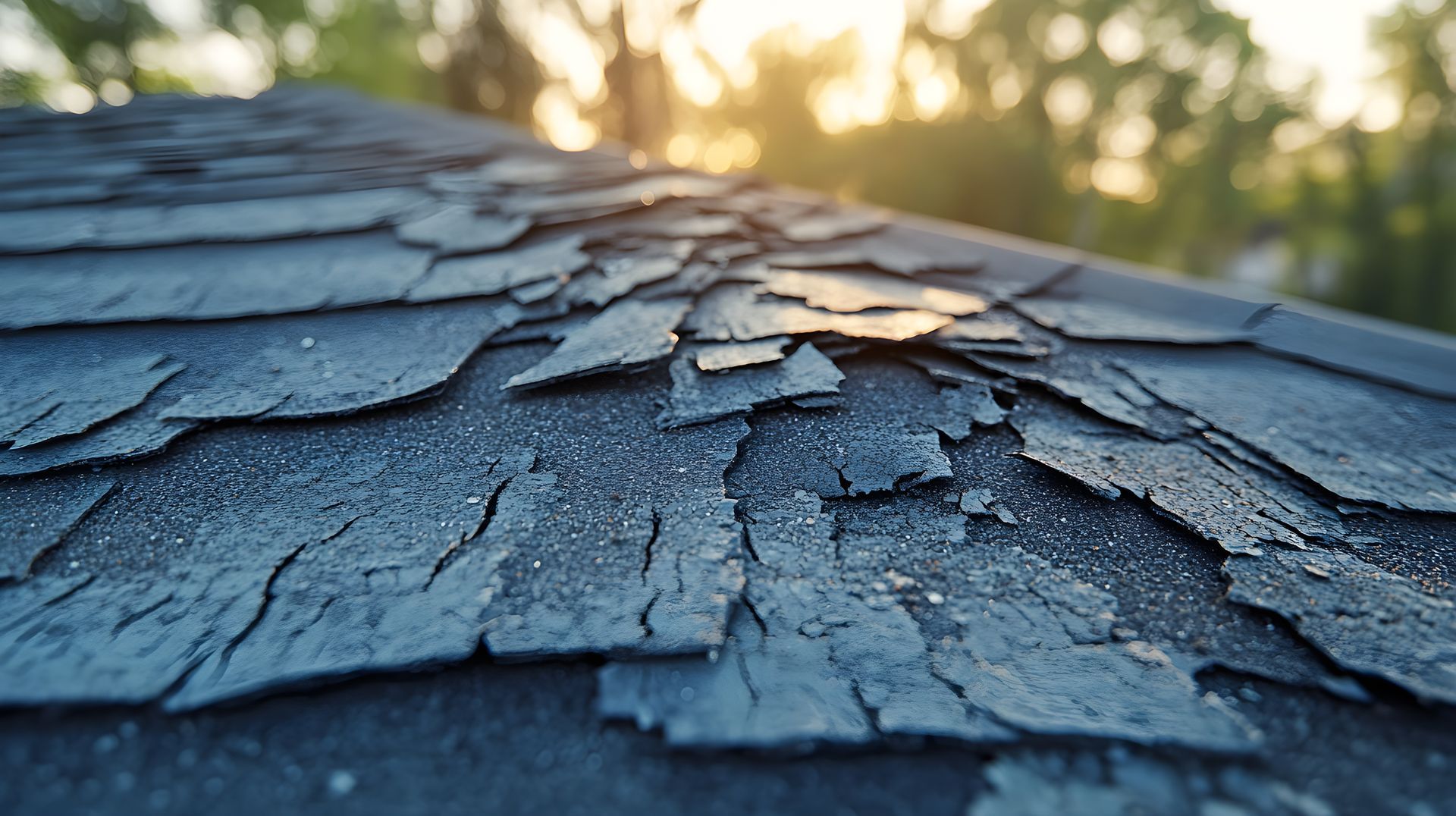
Asphalt shingles naturally lose granules, become more brittle and show signs of wear over time. Insurance companies generally do not cover damage resulting solely from age or routine deterioration.
Instead, adjusters evaluate whether a covered storm caused new damage beyond the roof's normal condition. They may compare damaged areas with portions of the roof that remain unaffected, helping determine whether the damage is consistent with a specific event or ordinary aging.
This distinction plays an important role in many roofing claims.
Why Adjusters Photograph Certain Areas
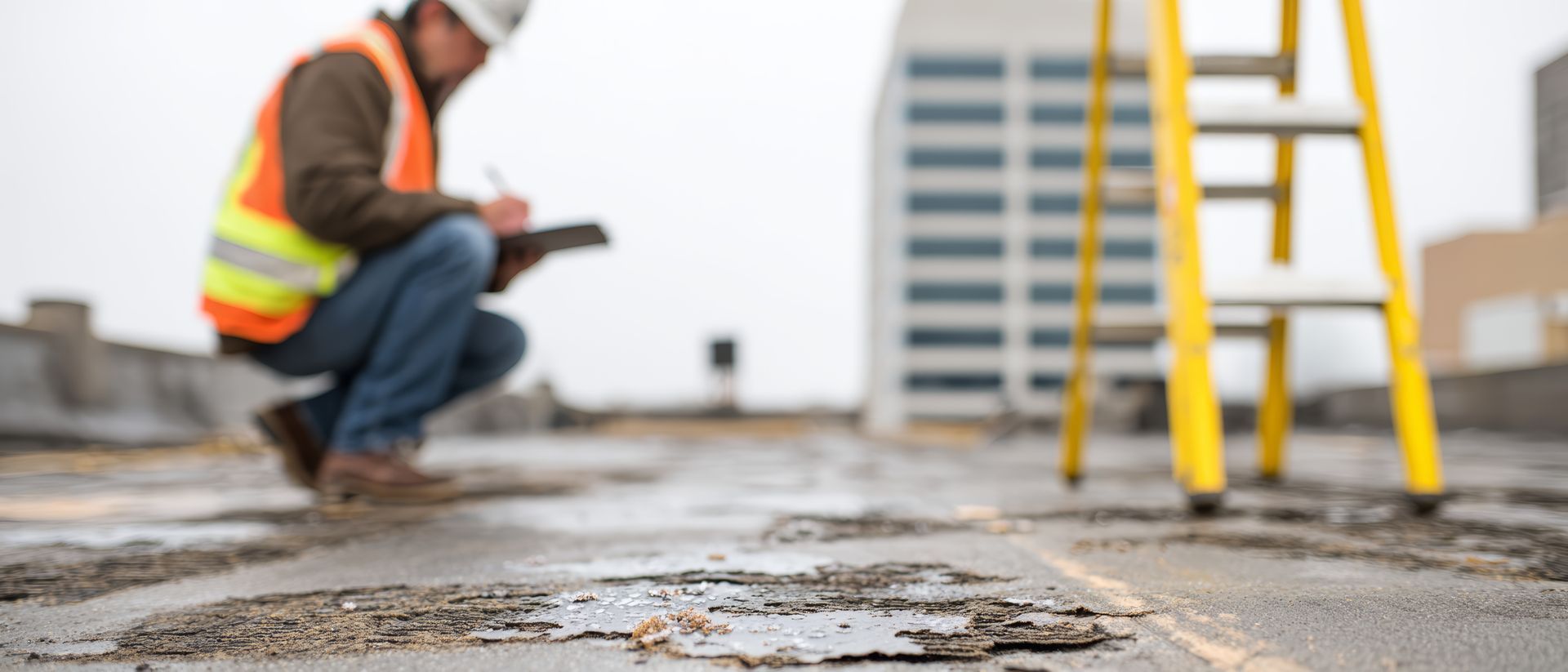
Photos are one of the most valuable tools used during a roof inspection. Insurance adjusters typically document:
- Damaged shingles
- Roof slopes with visible impacts
- Flashing and roof penetrations
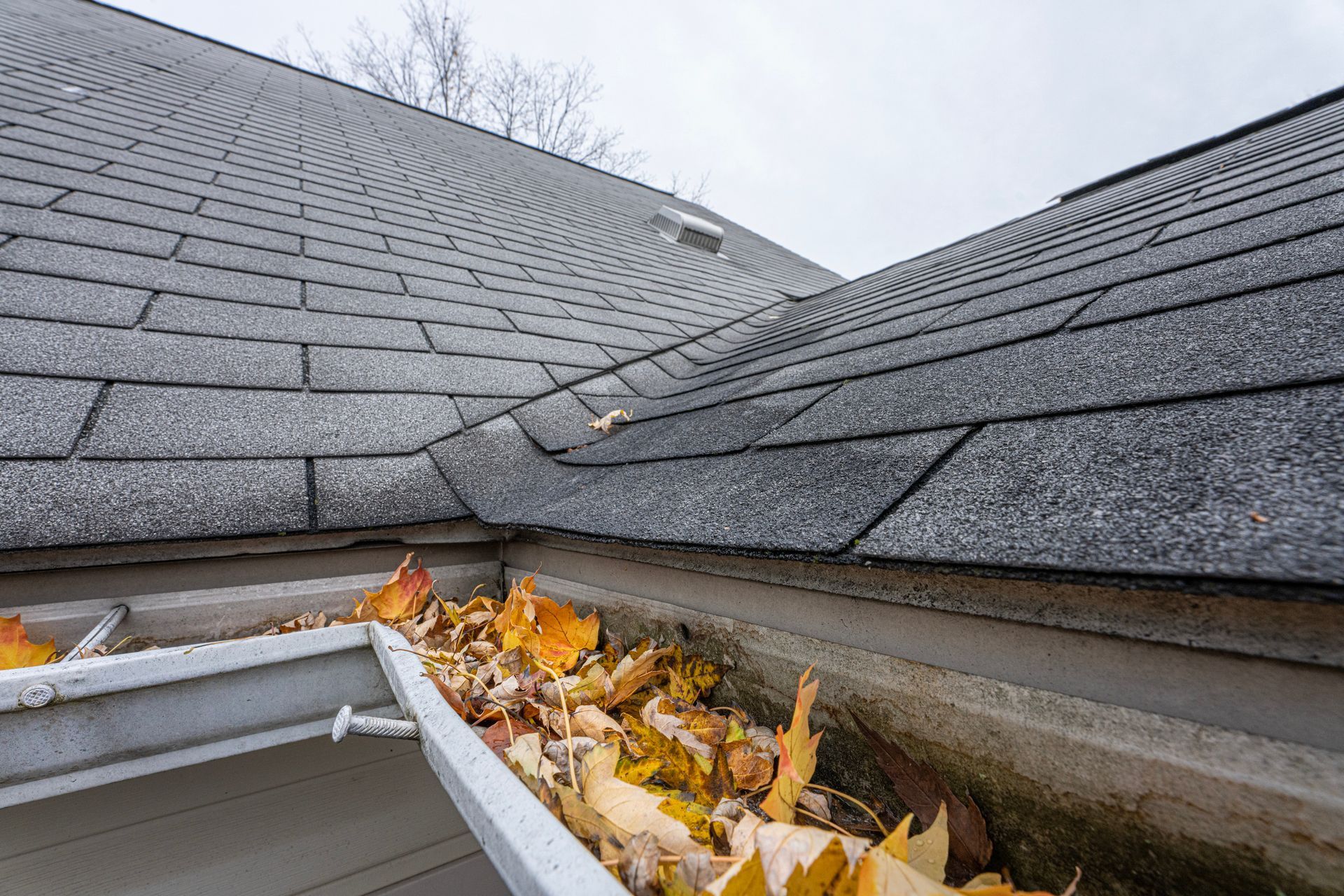
- Gutters and downspouts
- Roof vents and other metal components
- Interior water stains, when applicable
- Overall roof condition
These photographs provide a visual record of the roof at the time of inspection and help support claim evaluations.
Photos and inspection notes from an experienced roofer can provide valuable additional documentation, but the insurance company will generally still conduct its own inspection. Homeowners can also arrange to have their roofer present when the adjuster visits. This gives the roofer an opportunity to point out documented damage, discuss the proposed scope of repairs and make sure areas of concern are not inadvertently overlooked.
Trust Our DFW Roofing Repair Team After Storm Damage
Experienced roofing contractors understand how to identify storm-related damage, distinguish it from normal wear and document their findings with detailed photographs and written reports. This information can help homeowners better understand their roof's condition and their repair options before they file a claim.
Don't wait for small storm damage issues to become costly repairs. Contact Billy Harris Roofing today at (817) 249-3338 or (800) 320-6074 to schedule a storm damage inspection.