Why Do Some Homes Lose Shingles While the House Next Door Doesn't?
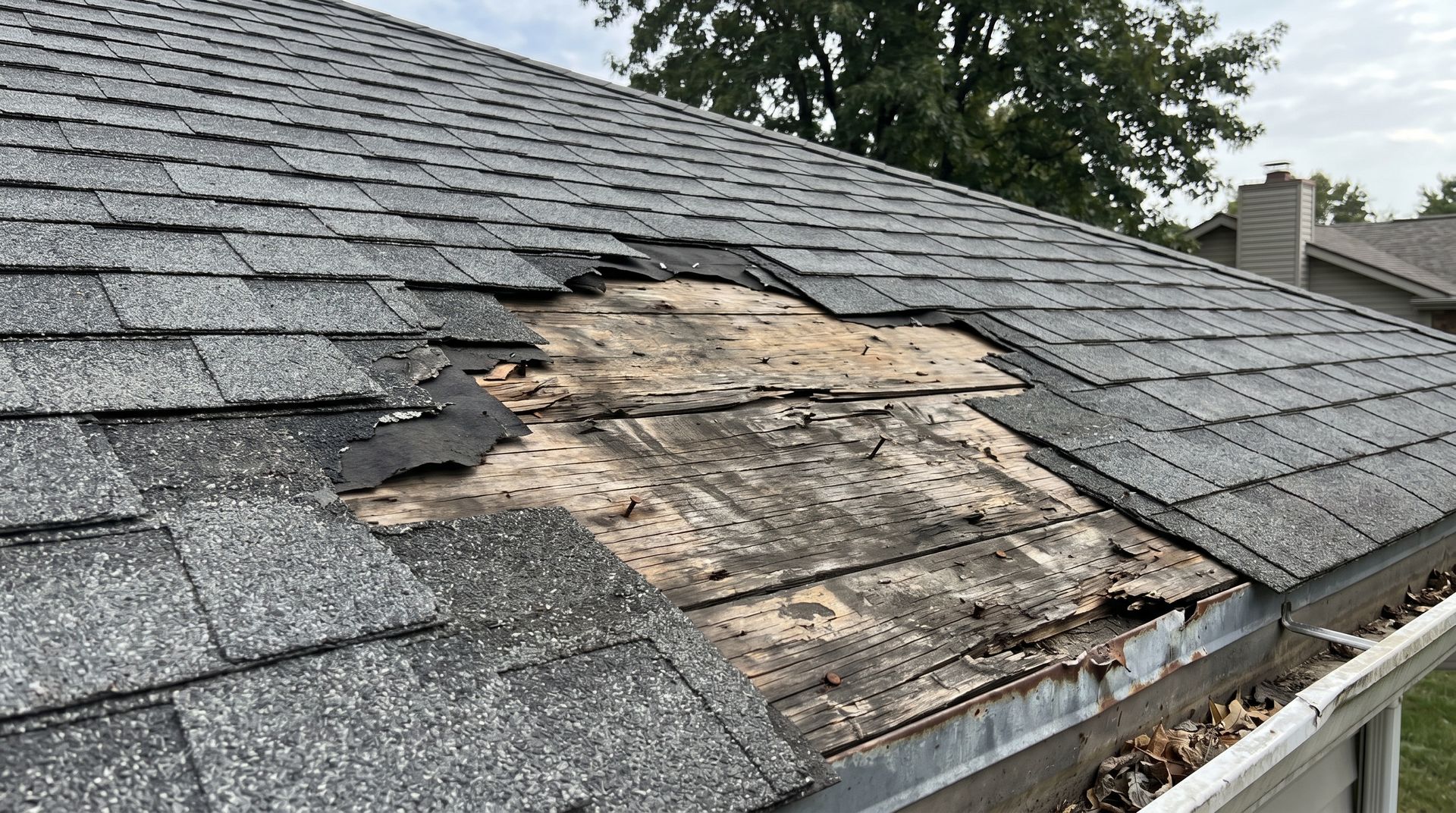
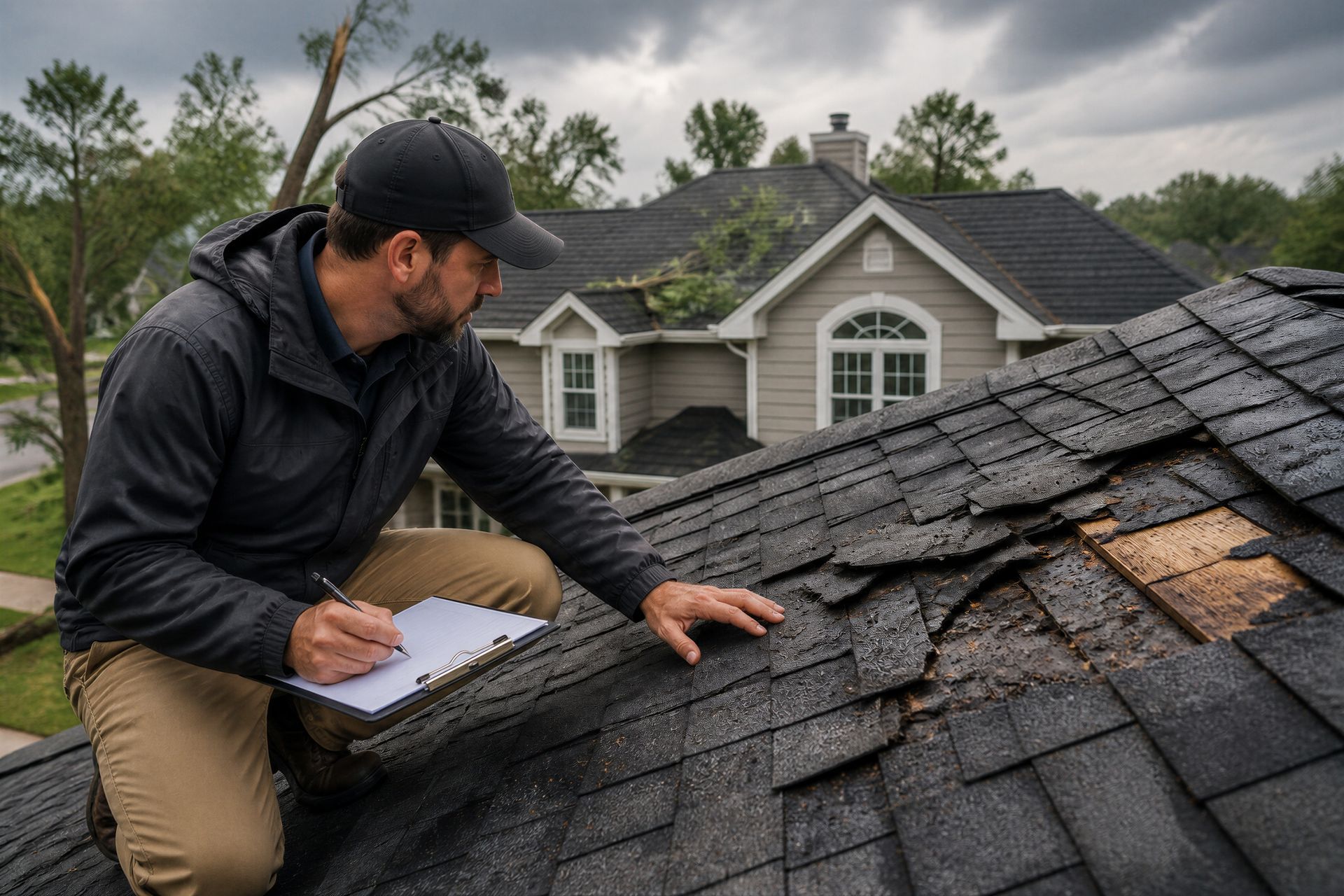
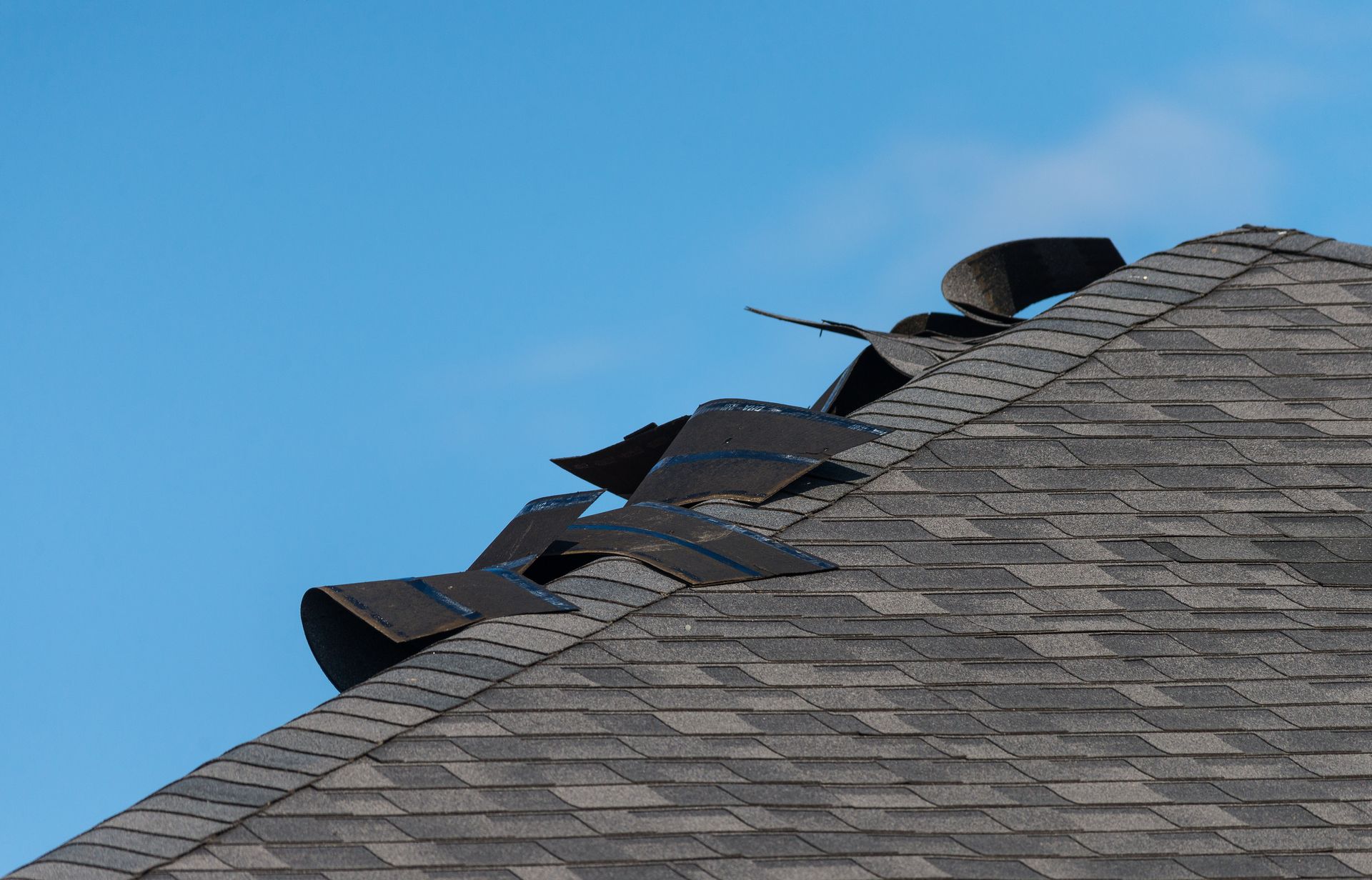
After a strong windstorm, it's not uncommon to see one home missing several shingles while the neighboring house appears untouched. This often leaves homeowners wondering why two homes that experienced the same weather can have such different outcomes.
The answer is that wind damage isn't determined by location alone. A variety of factors, including roof design, age, materials and installation quality can influence how well a roof withstands severe weather.
Wind Direction Makes a Difference
Wind doesn't affect every roof equally. The direction and intensity of a storm can place more stress on one side of a home than another.
When strong winds hit a roof, they create pressure that can lift shingles, especially along roof edges, ridges and corners. These areas experience the greatest uplift forces during high winds and are often where damage begins.
Roof Orientation Affects Wind Exposure
The way a home is oriented on its lot can significantly influence how wind impacts the roof.
For example, a roof slope that directly faces prevailing storm winds may experience much greater stress than one facing the opposite direction. Homes on corner lots, open fields or elevated areas may also receive stronger wind exposure than homes protected by nearby buildings, surrounding trees or natural barriers.
Roof Age Plays an Important Role
Older roofs are generally more susceptible to wind damage than newer ones.
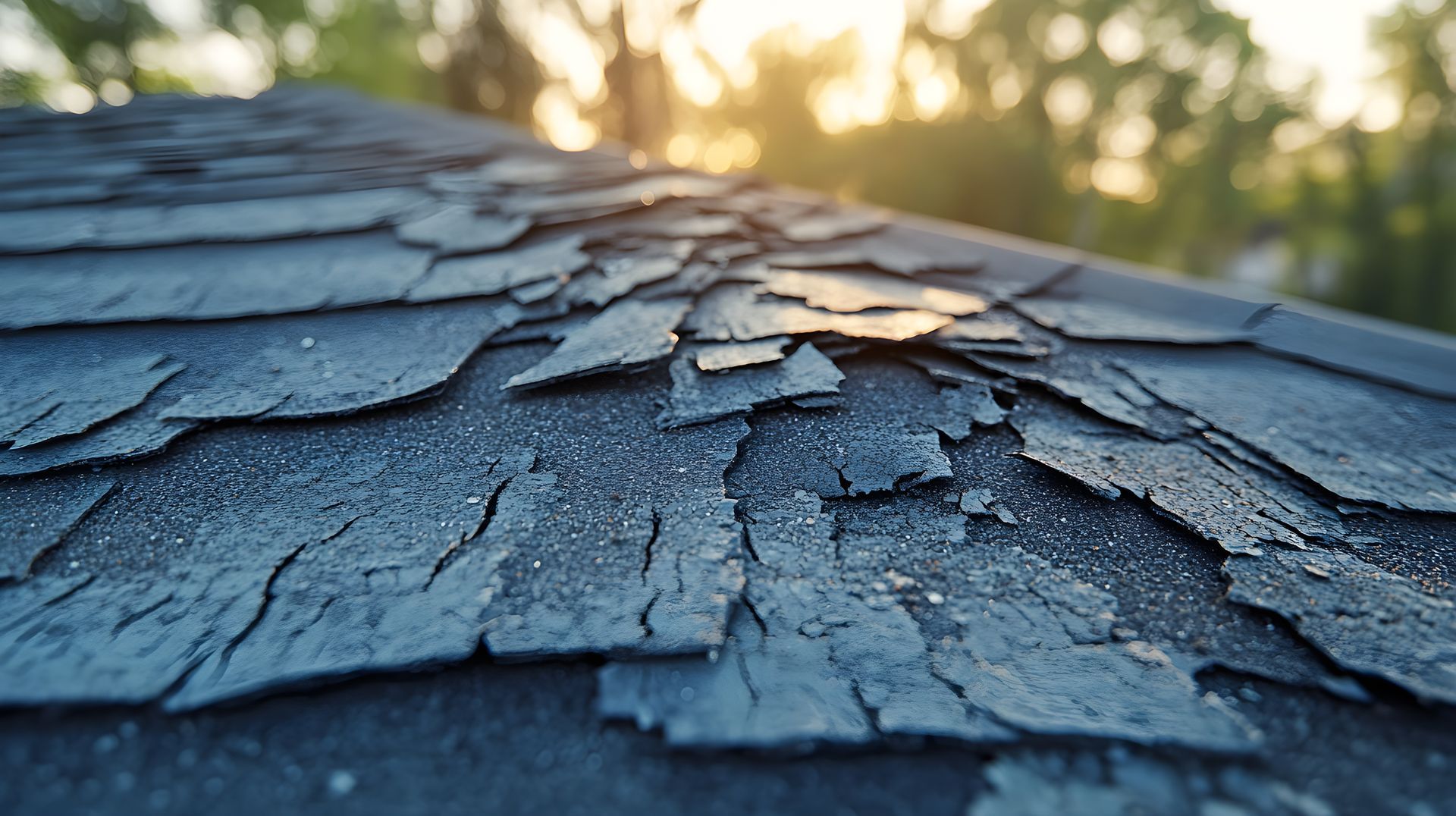
Over time, shingles are exposed to years of sunlight, heat, rain and temperature changes. This natural aging process can cause shingles to become more brittle, lose flexibility and weaken the seal that helps hold them in place.
As shingles age, they become more likely to crack, lift or blow off during high winds.
A newer roof installed with modern materials may withstand conditions that cause damage to an older roofing system next door.
Installation Quality Matters
Even the best roofing materials depend on proper installation.
If shingles weren't installed according to the manufacturer's specifications, they may not provide the level of wind resistance they were designed to achieve. Improper nail placement, insufficient fasteners, poor flashing installation or shortcuts during installation can all make a roof more vulnerable during severe weather.
Professional installation helps ensure that roofing components work together to resist wind uplift and protect the home.
Shingle Type Can Affect Wind Resistance
Roofing products are available in different styles, thicknesses and wind ratings. Some architectural shingles are designed to withstand stronger winds than standard three-tab shingles, while premium products often include enhanced sealing technologies that improve durability.
The age of the roofing material also matters. Even high-quality shingles eventually wear over time and may not perform as well after years of exposure to the elements.
Trees and Surrounding Structures Can Change Wind Patterns
Trees, fences, neighboring homes and other structures can either shield a roof from strong winds or create turbulent airflow that increases wind pressure in certain areas. For example:
- Mature trees may reduce direct wind exposure.
- Open spaces can allow stronger wind gusts to reach the roof.
- Nearby buildings may redirect wind toward certain roof sections.
- Hills and elevation changes can alter wind speed and direction.
Because every property is unique, two neighboring homes may experience different wind conditions during the same storm.
Previous Repairs May Influence Performance
If damaged shingles were previously replaced, those repairs may be stronger or weaker than the surrounding roof depending on the materials used and the quality of the workmanship.
Similarly, older repairs may have weathered differently than the original roofing materials, creating areas with varying levels of wind resistance.
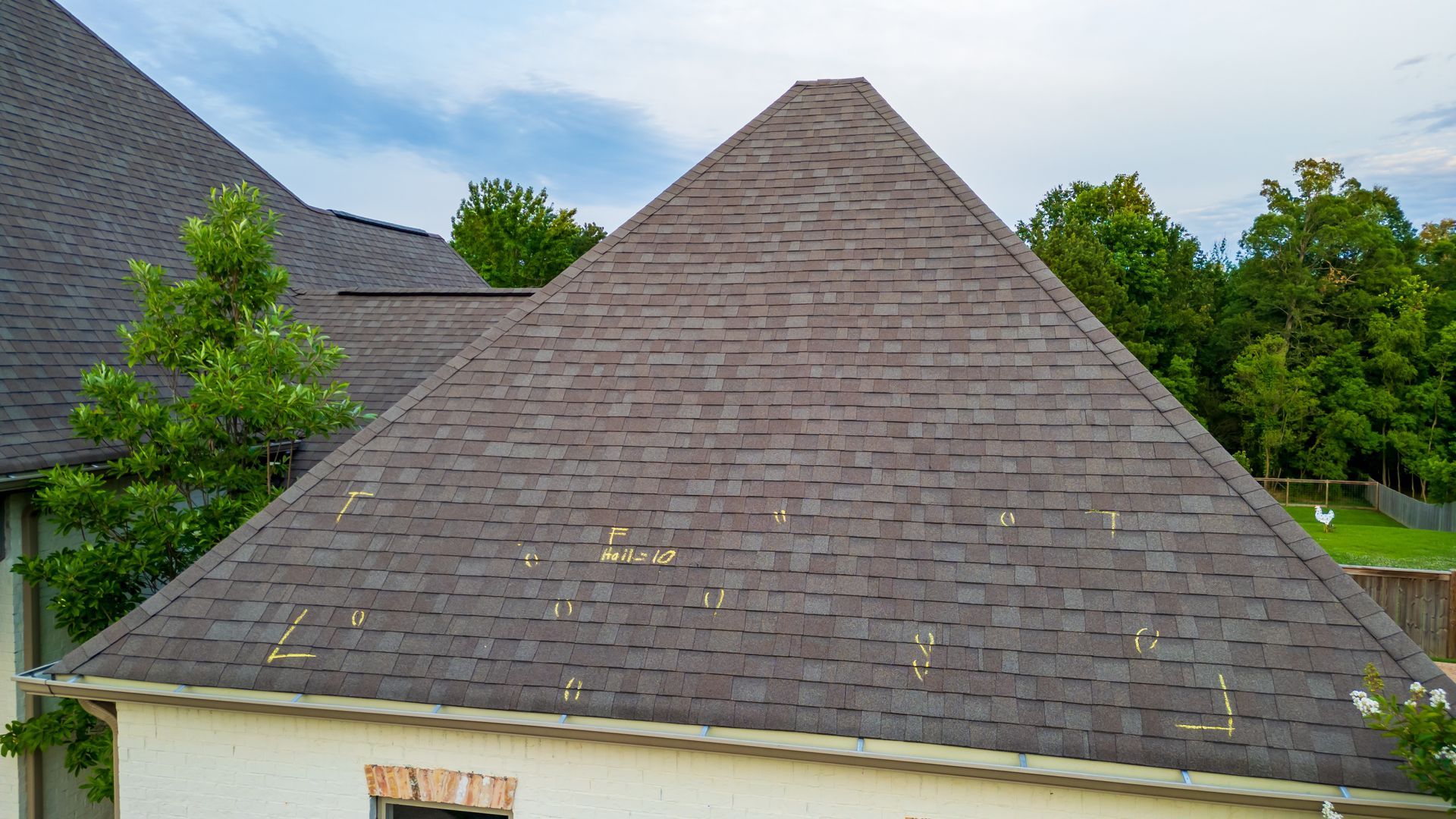
This is one reason professional roof inspections often include evaluating both the original roof and any past repairs to identify potential weak points before they lead to more significant damage.
Protect Your Dallas–Fort Worth Roof With Professional Inspections
While homeowners can't control the weather, they can take steps to keep their roofs in the best possible condition. Periodic inspections, especially after severe storms, prompt repairs and professional maintenance can help identify loose shingles, aging materials or other issues before the next major storm arrives.
Contact the local roofers at Billy Harris Roofing today by calling (817) 249-3338 or (800) 320-6074 to schedule a roof inspection and keep your home protected through every season.