Why Roof Leaks Sometimes Appear Only During Wind-Driven Rain

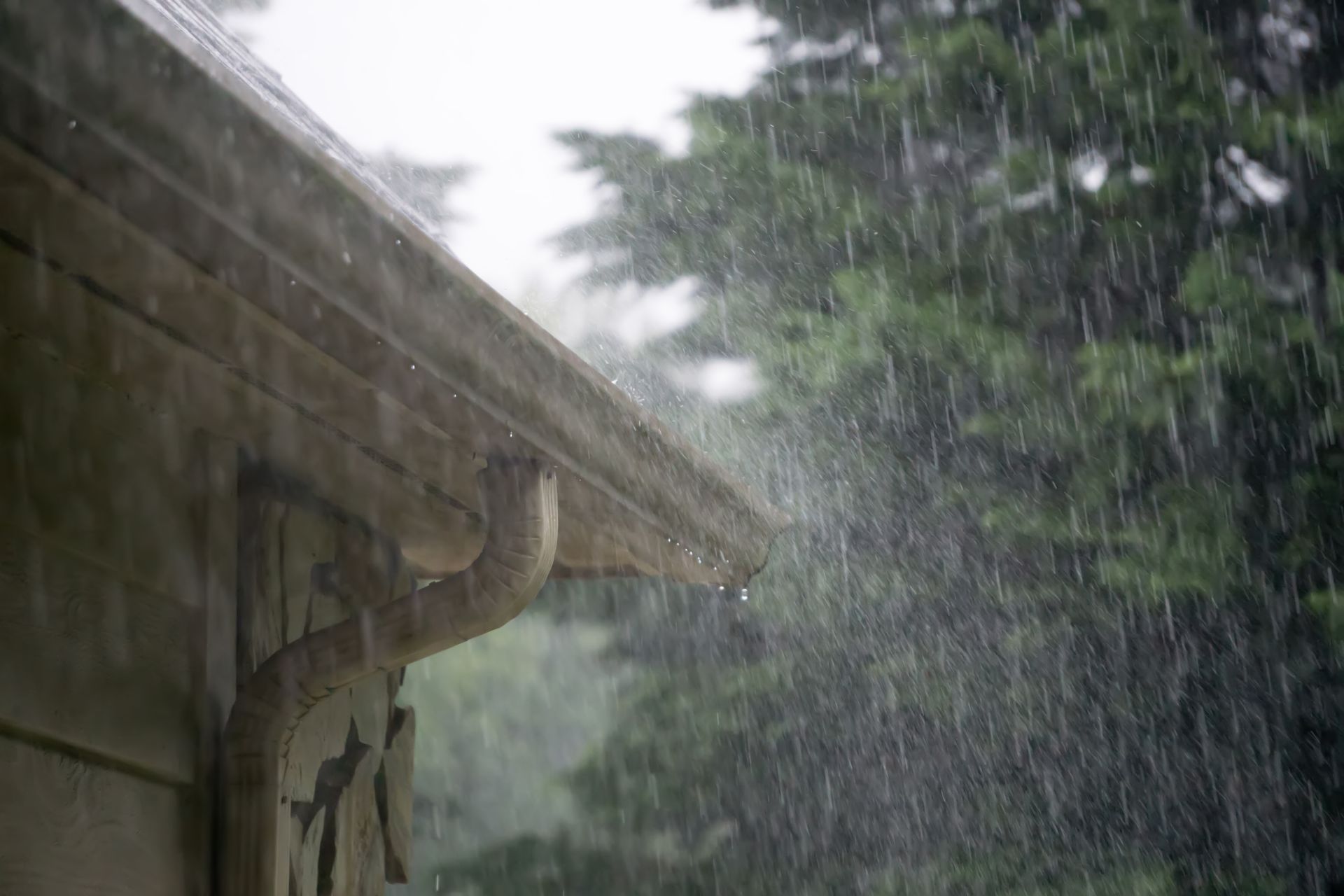
Wind-driven rain can create very different conditions for roofs in Benbrook and Fort Worth. Instead of falling primarily downward, rain can be pushed horizontally against the roof and exterior of the home. Strong winds can also force water into small openings and vulnerable areas that may never be exposed to the same amount of moisture during typical rainfall.
Wind Changes the Direction of Rain
During calm or light rainfall, water generally follows gravity. It falls onto the roof surface and travels downward toward the roof's drainage system.
Strong winds change that pattern. Depending on the direction of the wind, one side of the roof may receive significantly more water than another.
Leaks that appear only during certain weather conditions can be especially difficult to diagnose. A roof repair may seem successful through several ordinary rainstorms, only for the leak to return when strong wind drives rain toward the same vulnerable area again.
Wind Can Push Water Where Gravity Normally Wouldn't
When rain is driven across a roof surface, water can move underneath edges, around penetrations, or into small openings that would not normally receive much water.
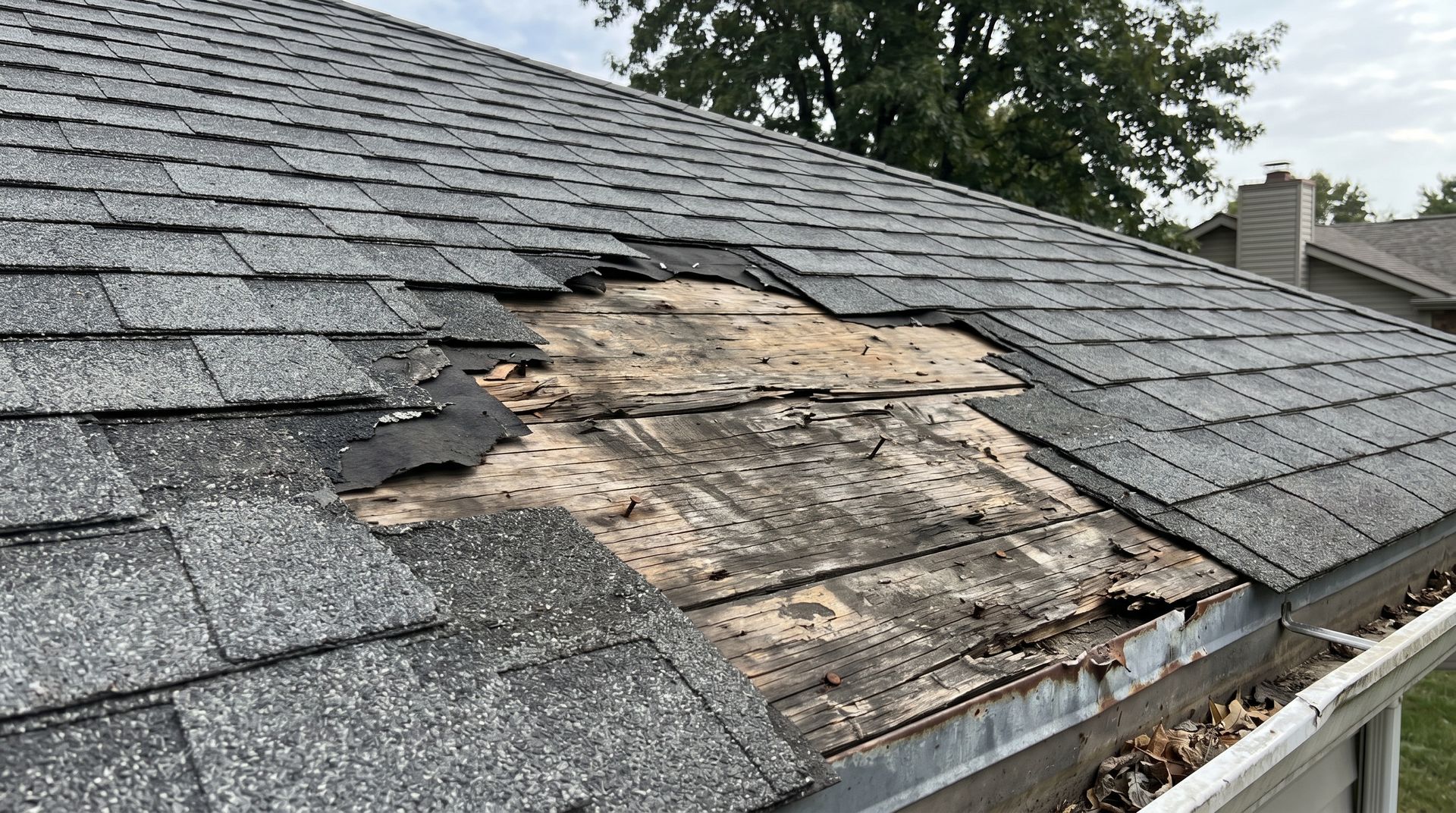
Once moisture gets into an area that is not intended to be exposed to it, it can travel along decking, framing, insulation, or other building materials before appearing on a ceiling or wall. This can make the location of the ceiling stain misleading.
Pressure Can Make Small Vulnerabilities More Noticeable
Strong winds don't simply move rain. They also create pressure differences around the roof and exterior of the home.
These pressure changes can make it easier for wind-driven moisture to enter through small gaps or compromised areas. A roof component that performs adequately under normal conditions may become more vulnerable when a storm combines heavy rain with strong, sustained wind.
A homeowner may see no evidence of a problem for months, only to notice water after a storm with unusually strong winds. The leak may not necessarily be new, but the particular weather conditions may simply have been enough to expose an existing vulnerability.
Certain Roof Details Are More Vulnerable
Wind-driven rain can put additional stress on areas of the roof where different materials, components, or openings come together. Roof penetrations, vents, edges, and other exposed details can require careful inspection when investigating an intermittent leak.
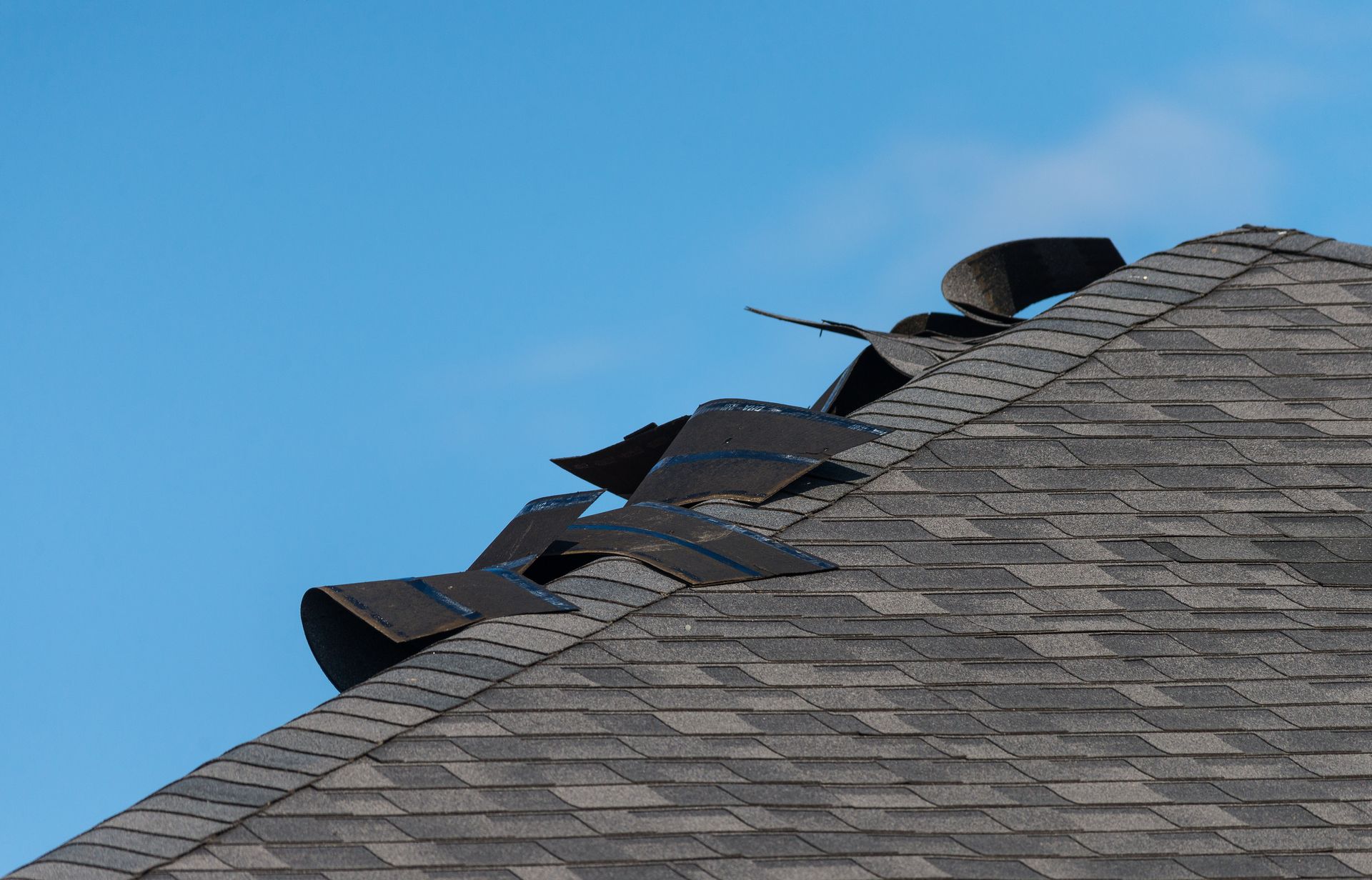
The condition of the roofing material also matters. Damaged or deteriorated shingles, loose components, worn seals, or openings created by previous damage can provide potential pathways for water.
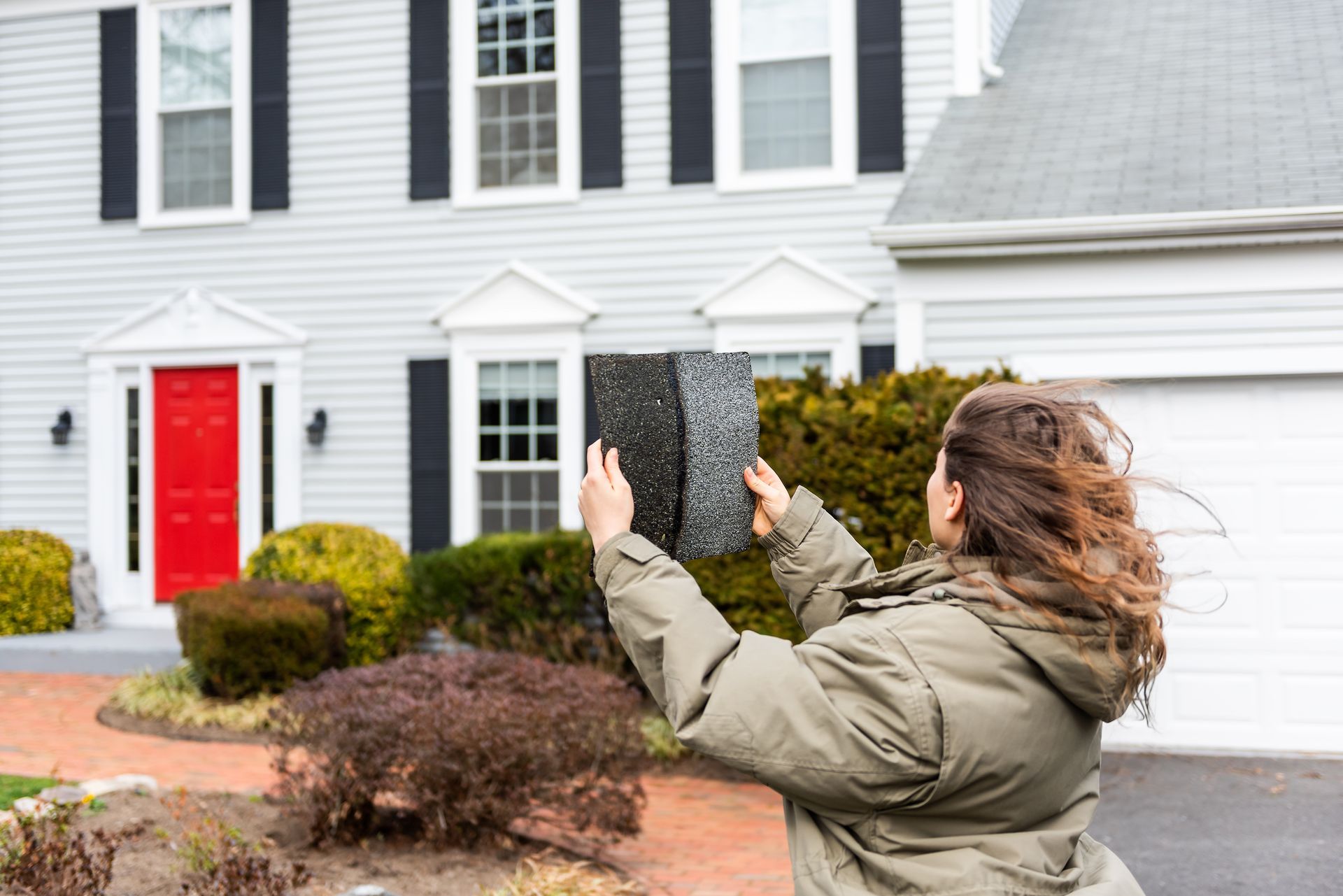
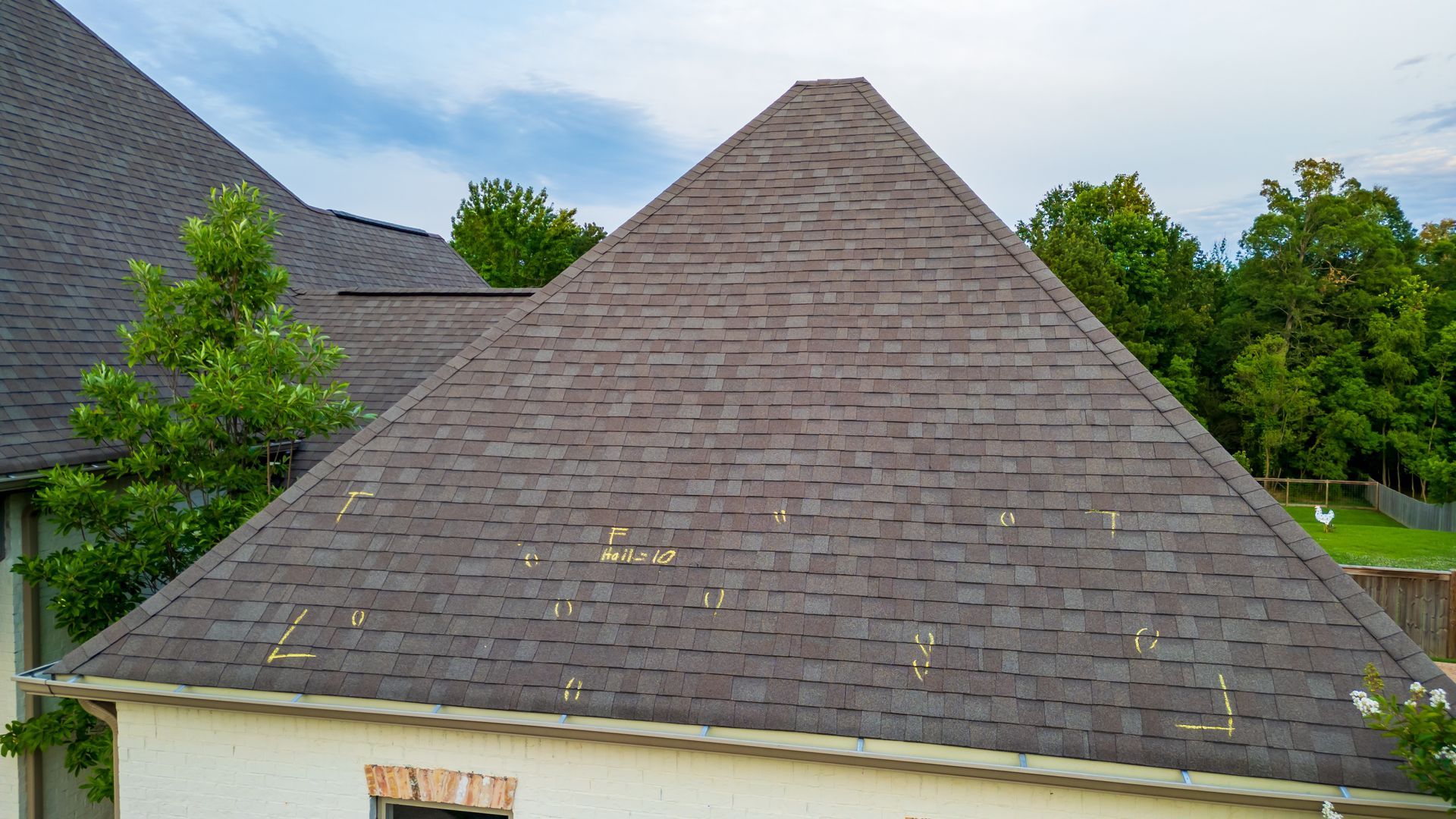
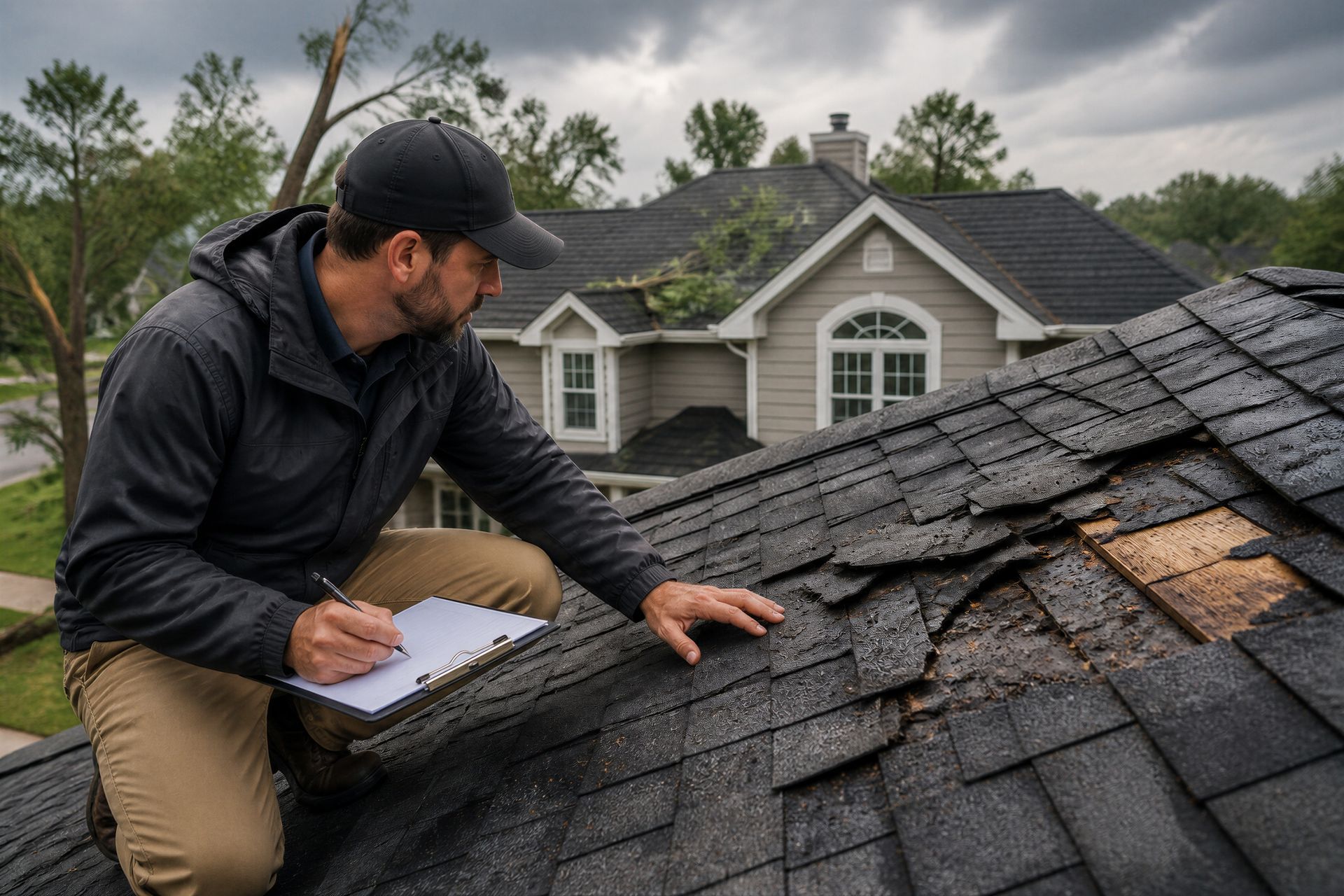
Storm damage is another consideration. Hail, falling branches, and high winds can affect roofing materials in ways that aren't immediately obvious from the ground. A roof may continue to appear generally intact while having localized damage that allows water intrusion only during the right combination of wind and rain.
Why Roofer Experience Matters With Intermittent Leaks
Intermittent roof leaks can be difficult to diagnose because the weakness may only allow water in during a specific combination of wind direction, rainfall and storm intensity. Experience matters when the source is not obvious or the leak has returned after previous repairs.
The more information you can give your roofer about when the leak occurs, the better chance they have of narrowing down the likely entry point and providing a dependable repair. Details such as wind direction, storm intensity, where the water appeared and whether the leak only occurs during heavy rain can all provide useful clues.
An experienced roofing professional can use those details to narrow their search and look for vulnerable penetrations, damaged materials or other potential entry points that fit the pattern of the leak.
Get Help With a Wind-Driven Roof Leak
If you've noticed water intrusion during windy storms, Billy Harris Roofing can inspect your roof and help determine what may be allowing moisture inside. Our team provides professional roofing inspections and repair services throughout Fort Worth and the DFW area, with the experience needed to evaluate storm-related and hard-to-find roof problems.
Contact us at (817) 249-3338 or (800) 320-6074 to schedule an inspection and get your roof leak properly evaluated before the next storm.