Why Cold Fronts Can Expose Roof Problems That Went Unnoticed All Summer
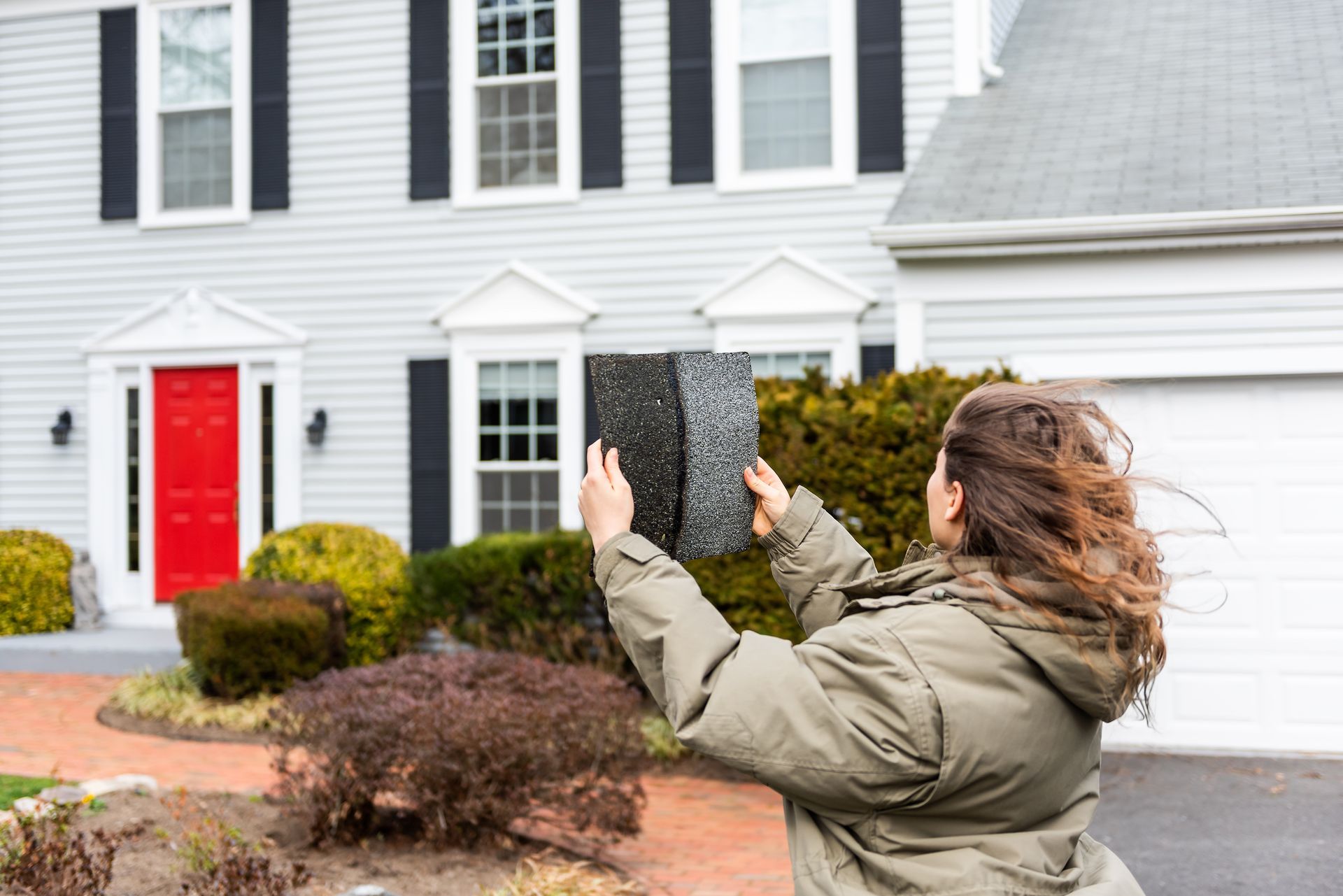
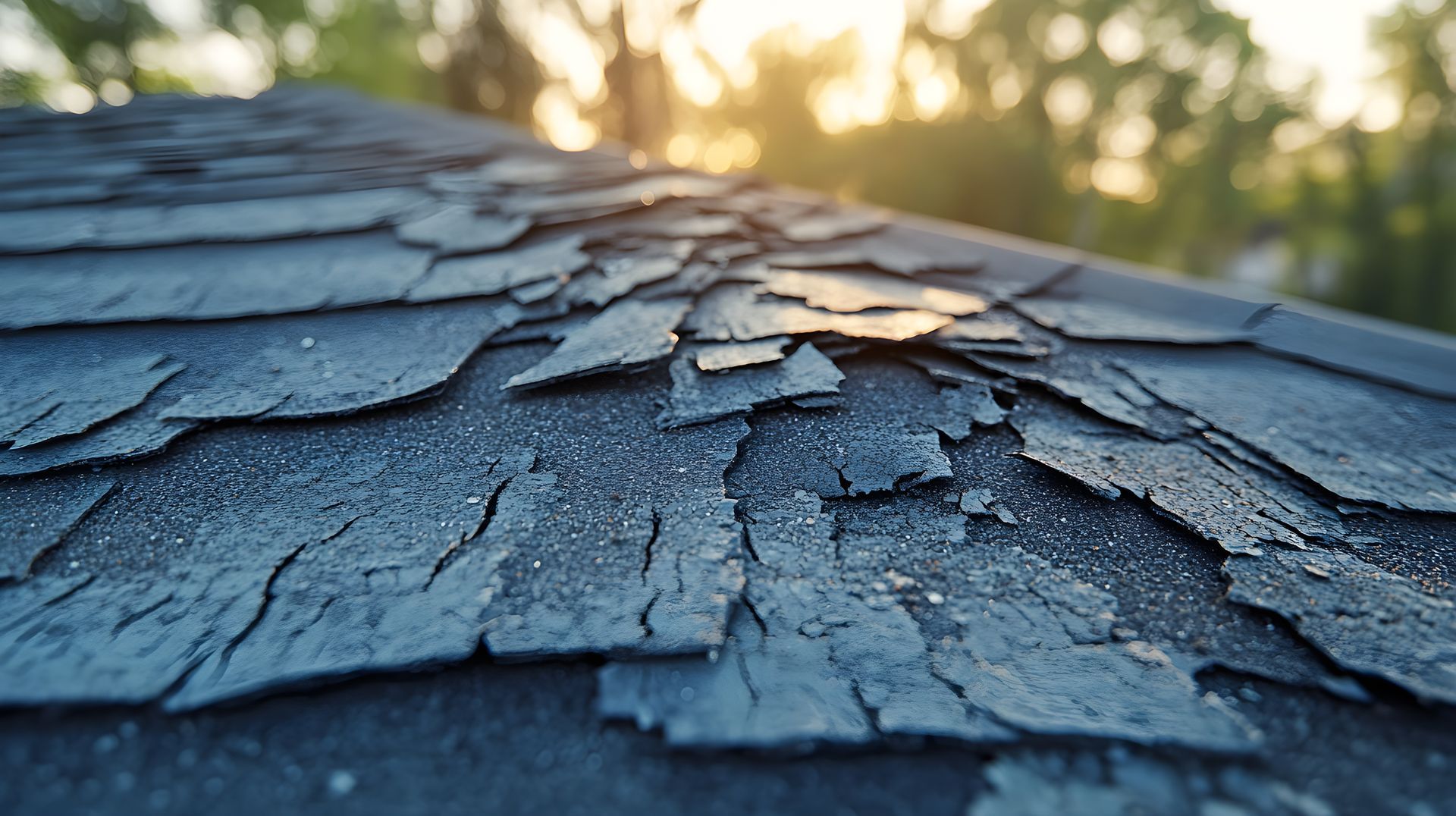
A roof can make it through months of intense summer heat without showing obvious signs of trouble, only to develop a leak or other problem when the first significant cold front arrives. That does not necessarily mean the cold weather caused the damage. In many cases, the temperature change simply exposes a weakness that was already present.
Cold fronts can bring rapid temperature swings, changing wind patterns and periods of rain that put different demands on roofing materials and installation details. Small gaps, aging sealants and marginal connections that remained unnoticed during dry summer conditions can suddenly become apparent.
Temperature Swings Put Materials Through Repeated Movement
Roofing materials expand when heated and contract as temperatures fall. During a hot summer, a roof can experience substantial daily temperature changes, particularly when the surface is exposed to direct sunlight for hours.
When a cold front moves through, that movement can become more pronounced. Materials, fasteners, flashing and other roof components may shift slightly as temperatures change. Properly installed roofing systems are designed to accommodate normal movement, but older materials or details that were already marginal may have less ability to do so.
A small separation may not immediately create a noticeable leak. However, repeated expansion and contraction can gradually make a weak point more significant.
Aging Sealants Can Become More Noticeable
Sealants are used around many vulnerable roof details, including flashing, penetrations, vents and other transitions. Over time, exposure to ultraviolet radiation, heat and weather can cause sealants to dry out, shrink, crack or lose adhesion.
Summer conditions can accelerate that aging process without producing an obvious problem. When temperatures drop, an already deteriorated sealant joint may contract or move enough to create a pathway for water.
This is one reason a leak that appears after the first cold front may have actually been developing for months. The drastic change in temperature simply provided the conditions needed for the existing weakness to allow water through.
Wind-Driven Rain Can Reach Different Parts of the Roof
Not every rainstorm interacts with a roof in the same way. Summer storms may arrive from one direction, while a cold front can bring stronger winds and rain from another.
That change matters because roofing systems contain many areas that are normally protected from direct rainfall. Wind can push water underneath edges, into small gaps or against flashing and transitions that would remain relatively dry during ordinary rain.
A roof can appear completely watertight through one season while still having a vulnerable detail that has not been adequately tested by the weather conditions associated with a cold front.
Marginal Installation Can Stay Hidden for a Long Time
Not every roofing problem begins with obvious damage. Sometimes the issue is a detail that was installed adequately enough to avoid immediate failure but does not perform well under changing conditions.
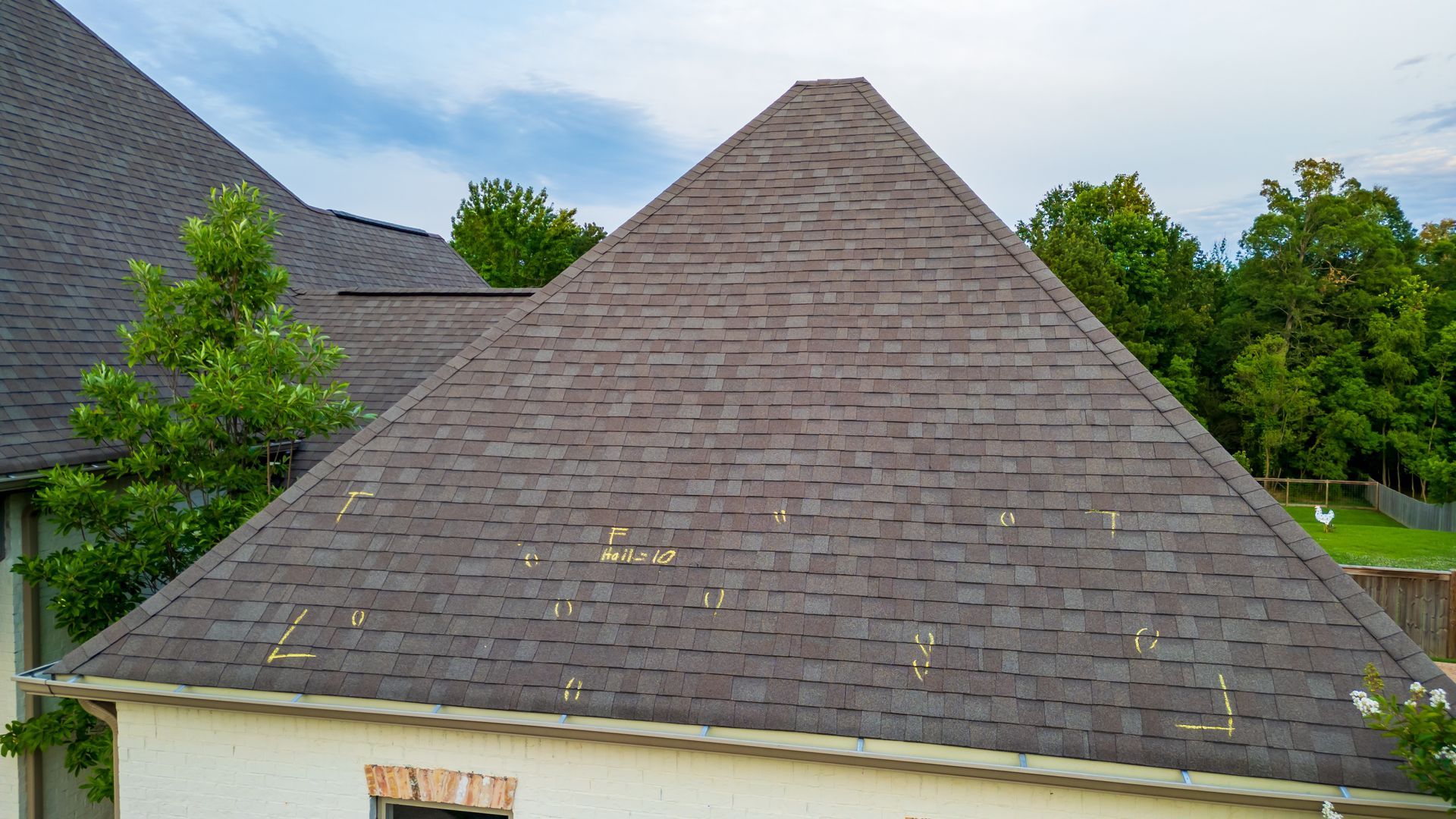
Examples can include improperly sealed penetrations, inadequate flashing overlaps, exposed fasteners or areas where roofing materials do not transition correctly. These details may withstand normal conditions for a considerable period before a combination of temperature movement, wind and moisture exposes the weakness.
A previous roof replacement or repair may look perfectly normal from the ground while still containing a small installation or material defect. These issues may only become apparent under specific weather conditions.
Why the Timing of a Leak Can Be Misleading
Homeowners sometimes assume that the most recent weather event must have caused the roof problem. But water intrusion does not always work that way.
A cold front may be the event that reveals a developing problem rather than be the event that created it. A roof could have experienced months of heat, material movement and gradual sealant deterioration before changing weather finally allowed water to enter.
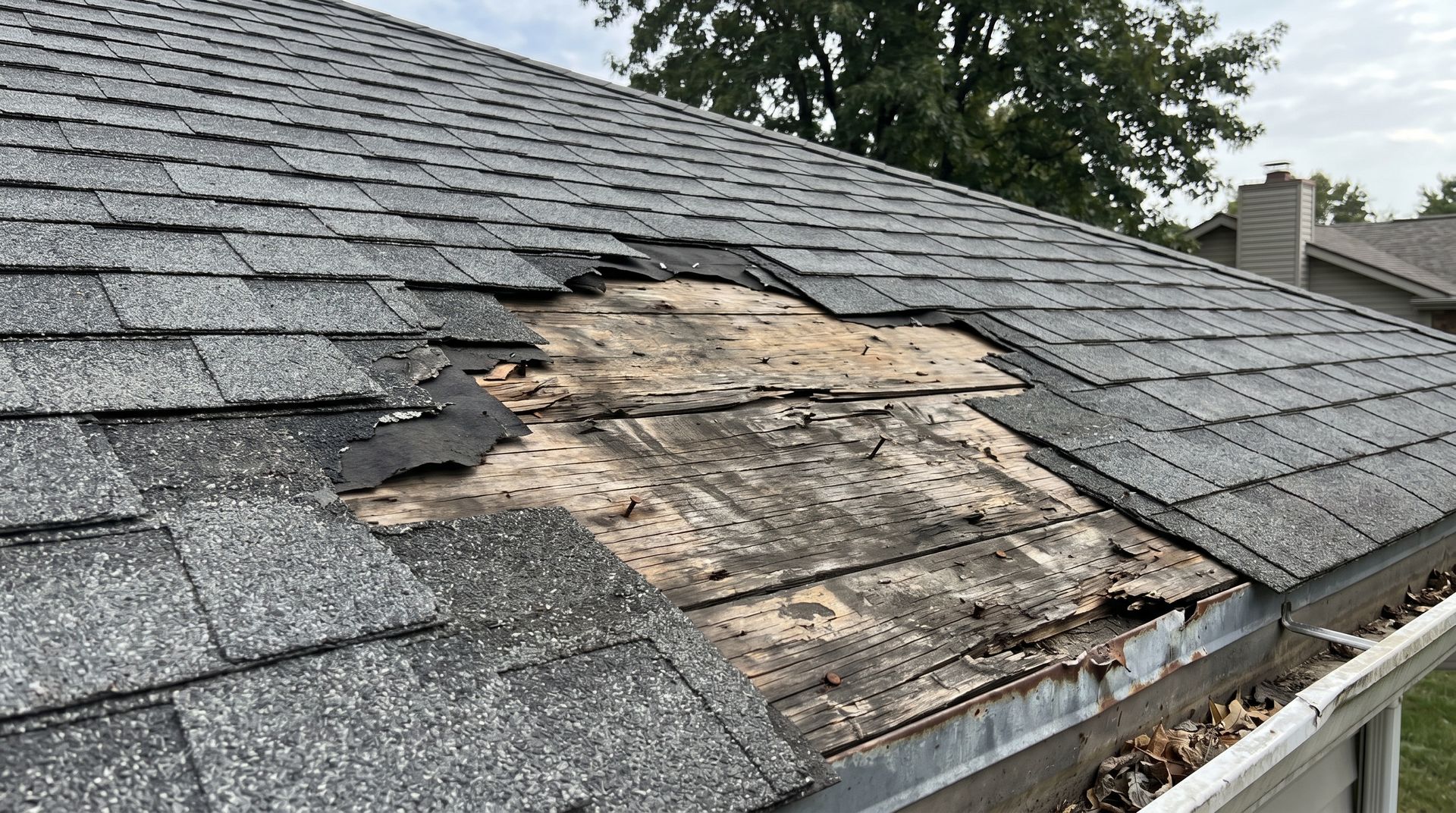
The location where water appears inside the home may also be different from the location of the actual roof entry point. Water can travel along roofing materials, decking or framing before becoming visible through a ceiling or wall.
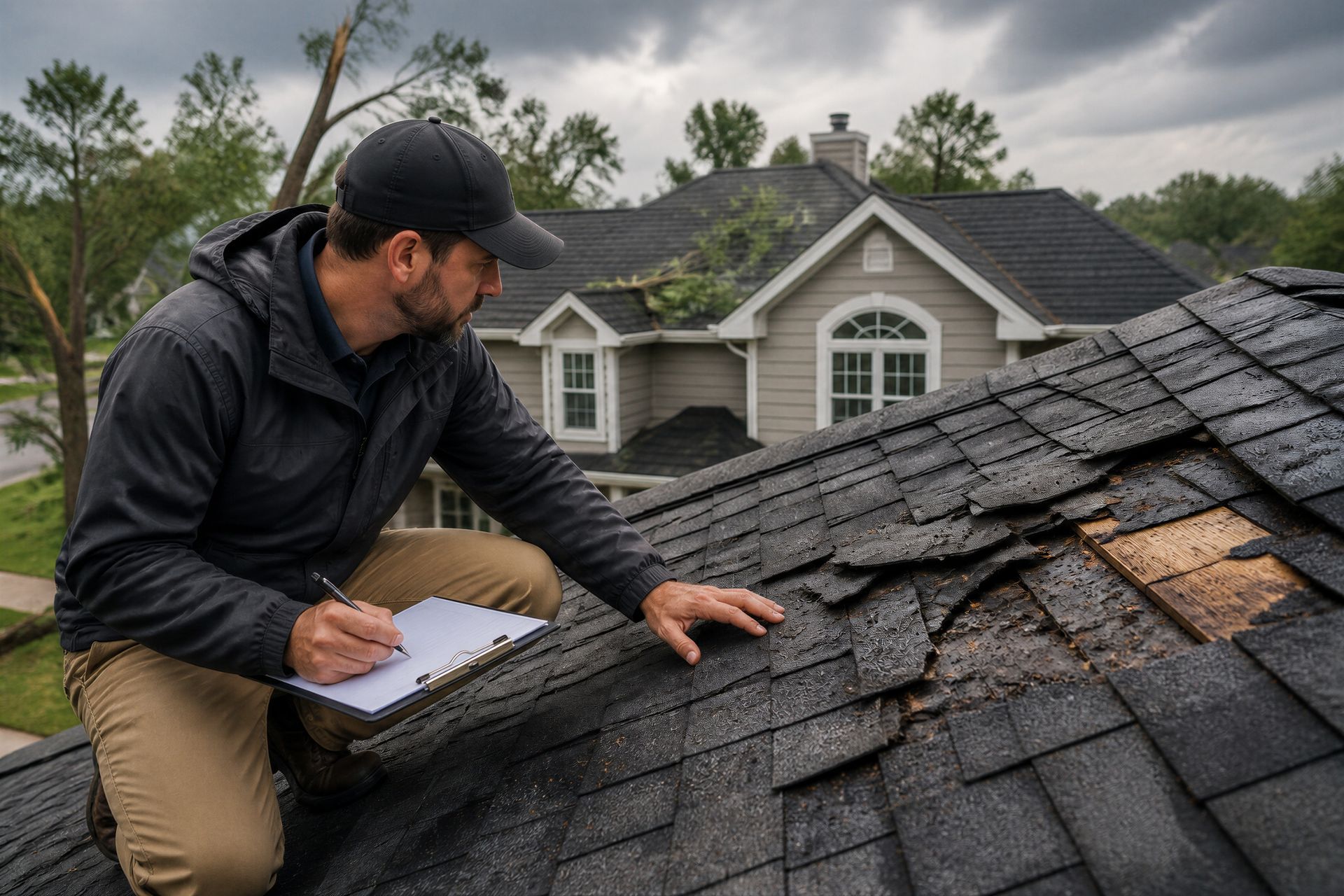
That makes a professional inspection important when a leak suddenly appears after a weather change.
Get a Roof Problem Investigated Before It Gets Worse
If your Benbrook or Fort Worth roof develops a leak or you notice signs of water intrusion after changing weather, Billy Harris Roofing can inspect the roof, identify potential problem areas and recommend the appropriate repair.
Call us at (817) 249-3338 or (800) 320-6074 to schedule a professional roof inspection or repair.