What Happens to Your Roof When You Add Solar Panels?
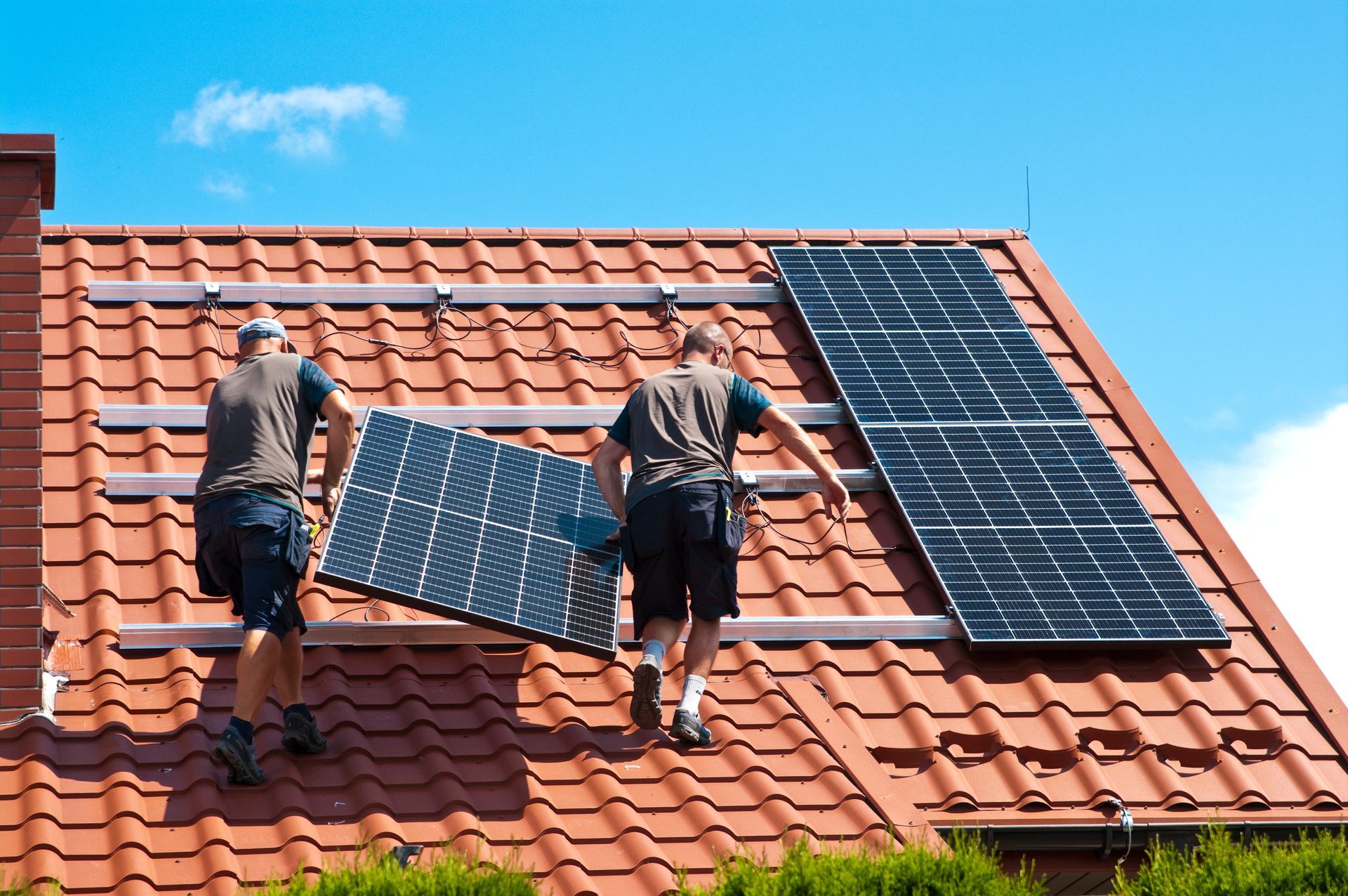
Installing solar panels on your roof involves attachments, penetrations, flashing and other components that must be properly integrated with the existing roofing system.
If you're considering solar panels for your home, it's a good idea to have your roof inspected before installation begins. Roof repairs or replacement can become more complicated and expensive once solar panels are in place, particularly if the panels need to be temporarily removed to access the roofing materials underneath.
Solar Panels Are Mounted to the Roof
Rooftop solar systems require a secure mounting system to hold the panels in place. On typical residential asphalt shingle roofs, this involves mounting hardware attached to the roof structure, with penetrations through the roofing materials.
Every roof penetration must be properly protected against water intrusion using flashing, sealants and other waterproofing measures to direct water away and preserve the roof's ability to keep the building dry.
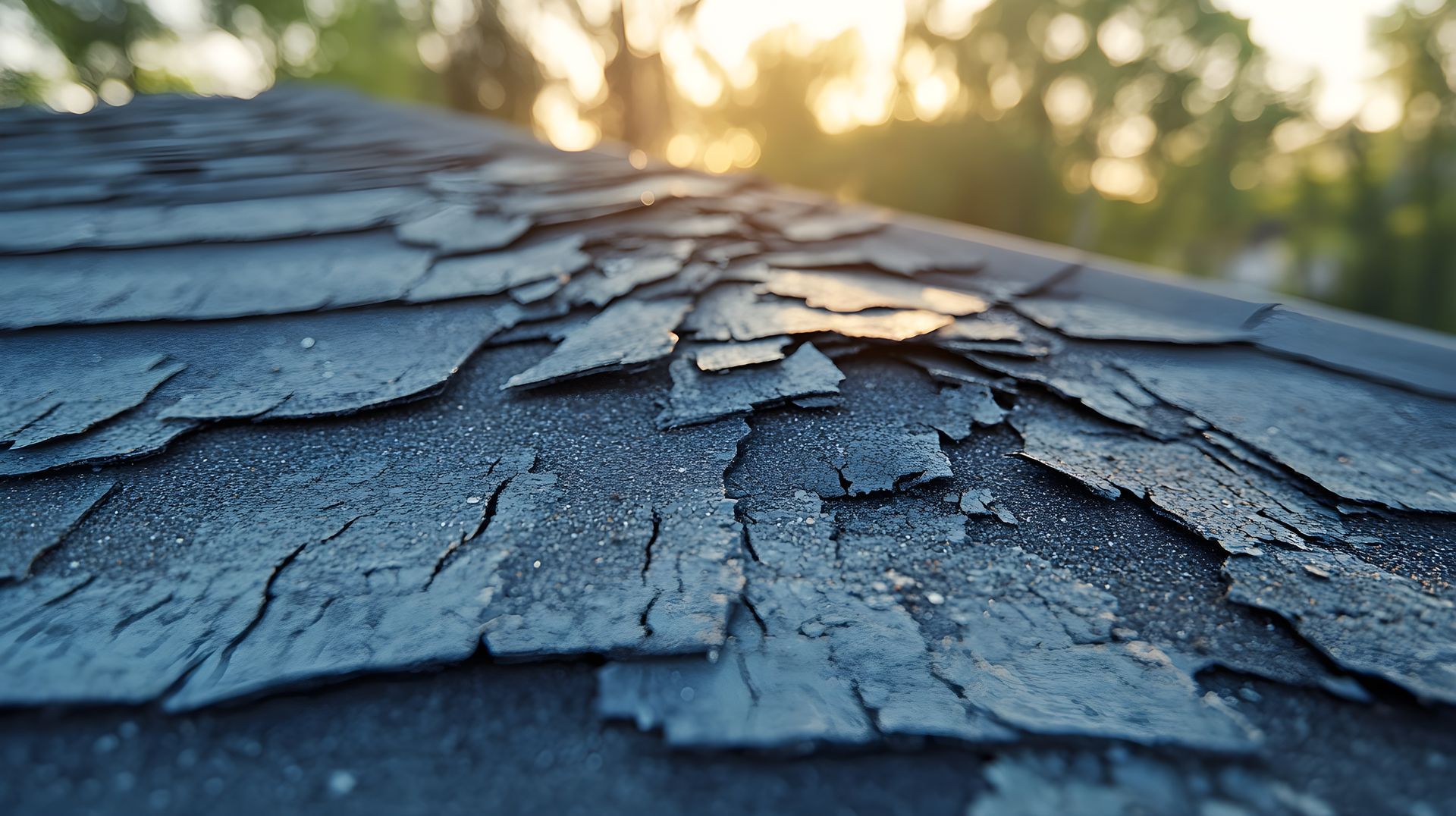
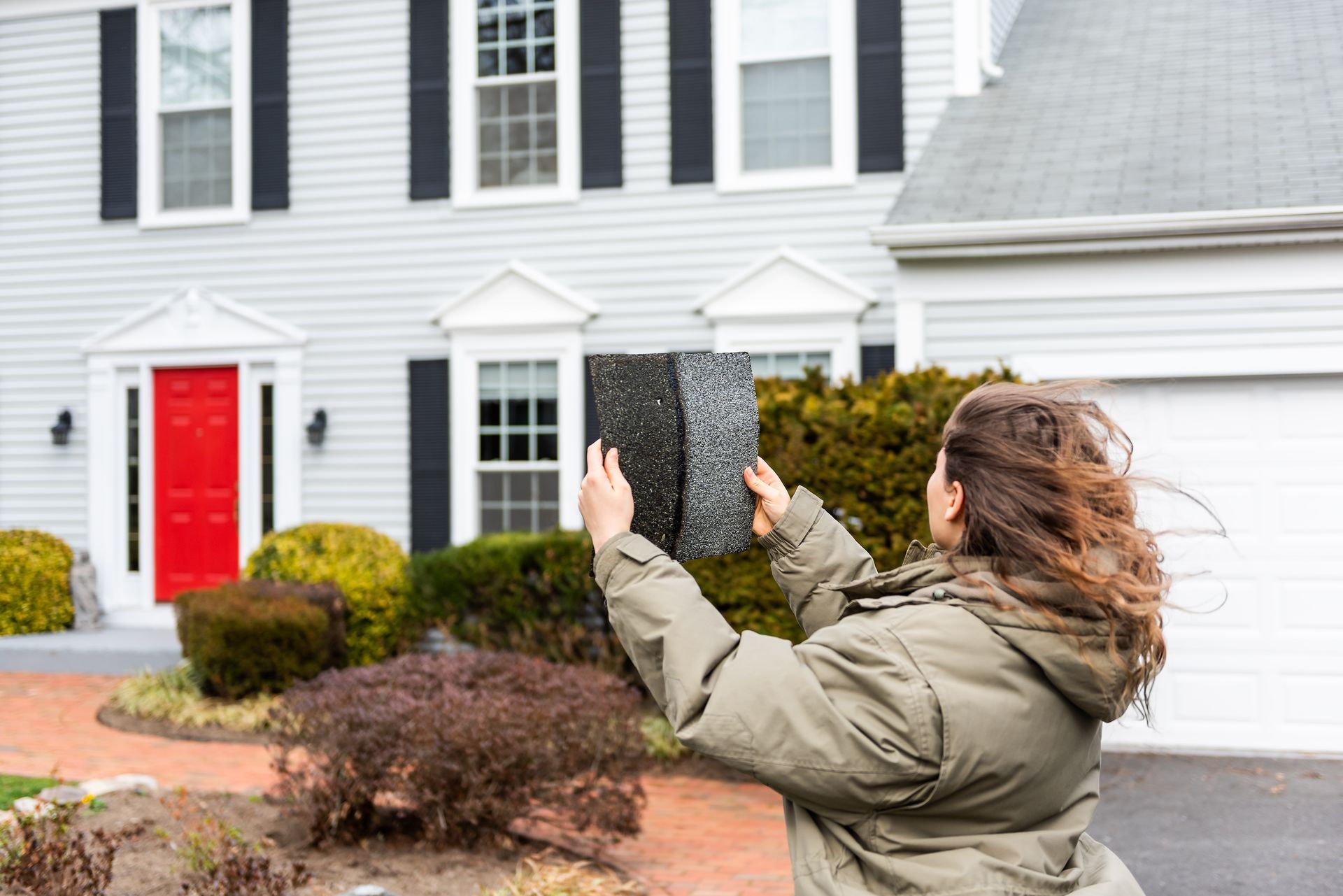
This is one reason the condition of the existing roof matters before solar panels are installed. A roof that already has damaged shingles, deteriorated flashing or other problems may not be the ideal surface for a mounting solar panels.
Consider Your Roof's Remaining Life
Solar panels typically have an expected lifespan of 25 to 30 years. The issue is not necessarily that the panels will damage a healthy roof, but that the roof may eventually need replacement while the solar panels are still in use.
If you replace the roof first, you start the solar installation with a newer roofing system that should have substantially more useful life remaining. That can make the timing of both projects more practical and potentially reduce the inconvenience and additional work associated with replacing a roof beneath an existing solar array.
What Happens If Your Roof Needs Replacement Later?
In some situations, the solar panels and related equipment may need to be removed before roofing work can be completed. The solar contractor generally handles this portion of the project, while the roofing contractor performs the necessary roofing work.
This creates an important coordination issue. Homeowners may need to schedule a solar company to remove the panels and later return to reinstall them after the roofing project is complete.
The exact process depends on the solar system, mounting method, roof design and scope of roofing work. It is also important to make sure everyone involved understands who is responsible for disconnecting, removing, storing and reinstalling the equipment.
Ask How Your Solar Installer Protects Roof Penetrations
Solar installation companies generally handle the flashing and waterproofing around the roof penetrations they create. However, installation methods and workmanship can vary between contractors, and improperly sealed penetrations can eventually lead to roof leaks.
Before choosing a solar installer, ask how the company protects roof penetrations, what waterproofing methods it uses and whether its workmanship warranty covers leaks caused by the installation. It's also worth checking customer reviews for reports of roof leaks or other roofing problems following solar installation.
A reputable solar installer should be able to explain how its mounting system protects the existing roof and who is responsible for addressing any leaks related to the installation.
Roofing Problems Should Be Addressed Before Solar Installation
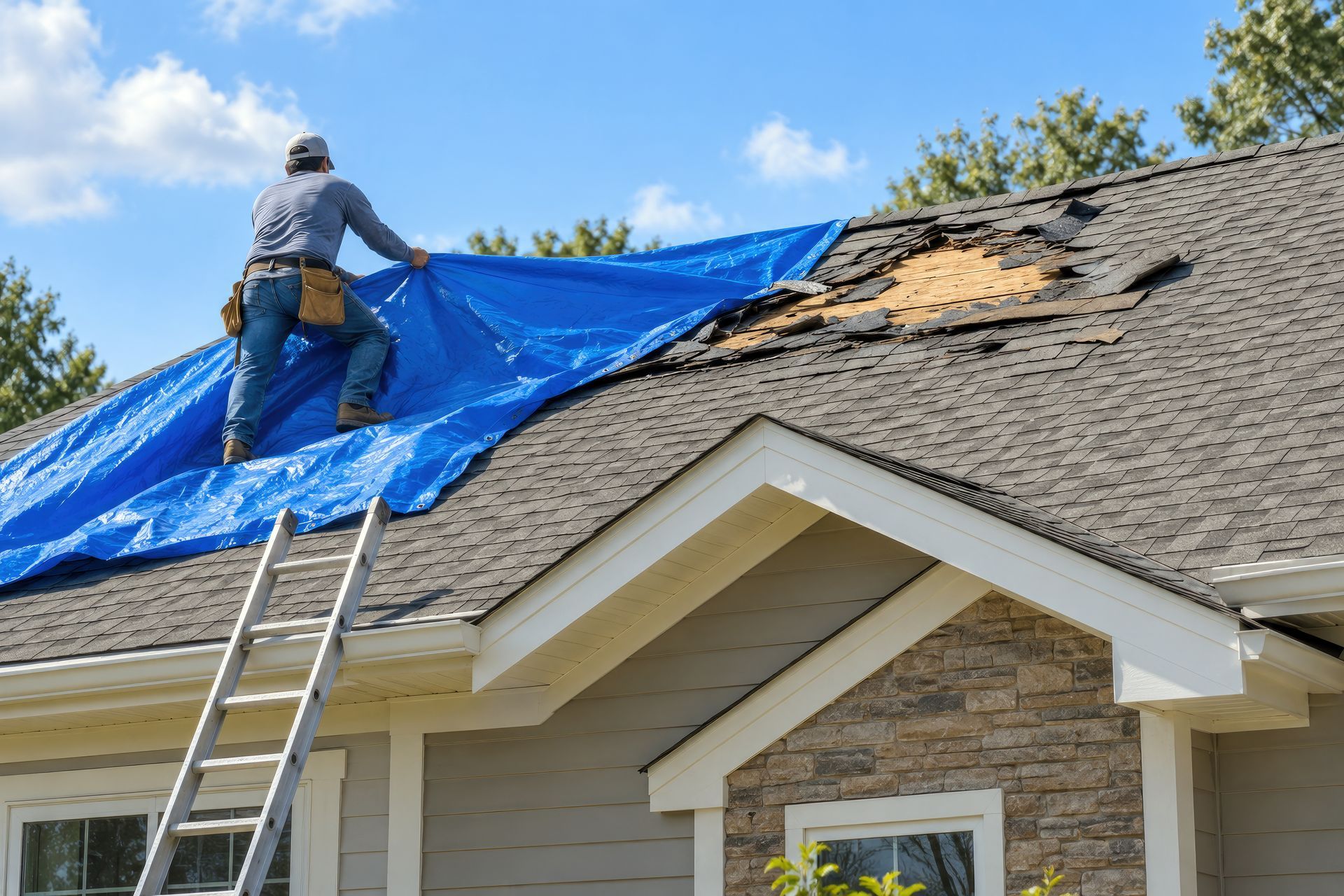
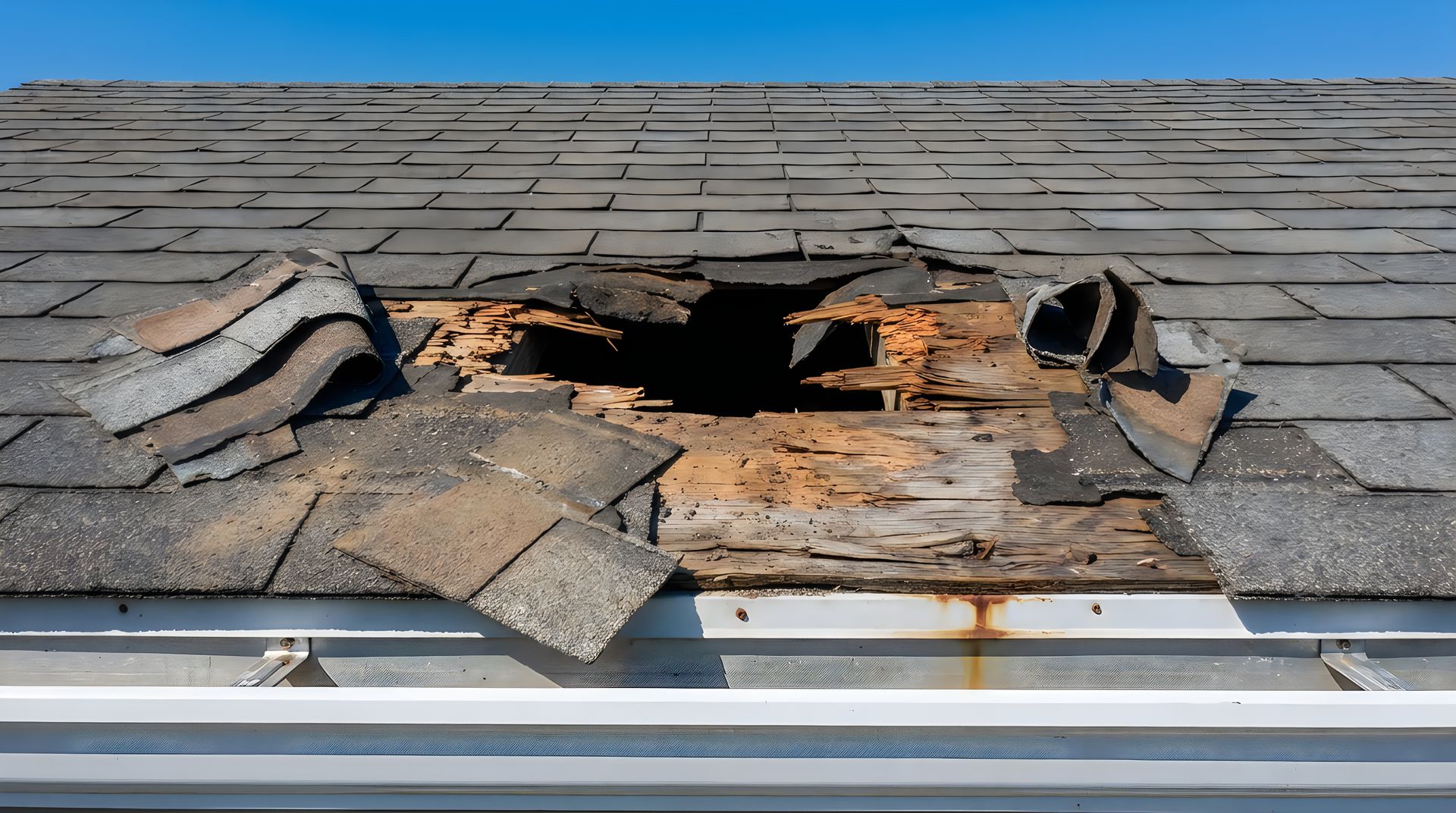
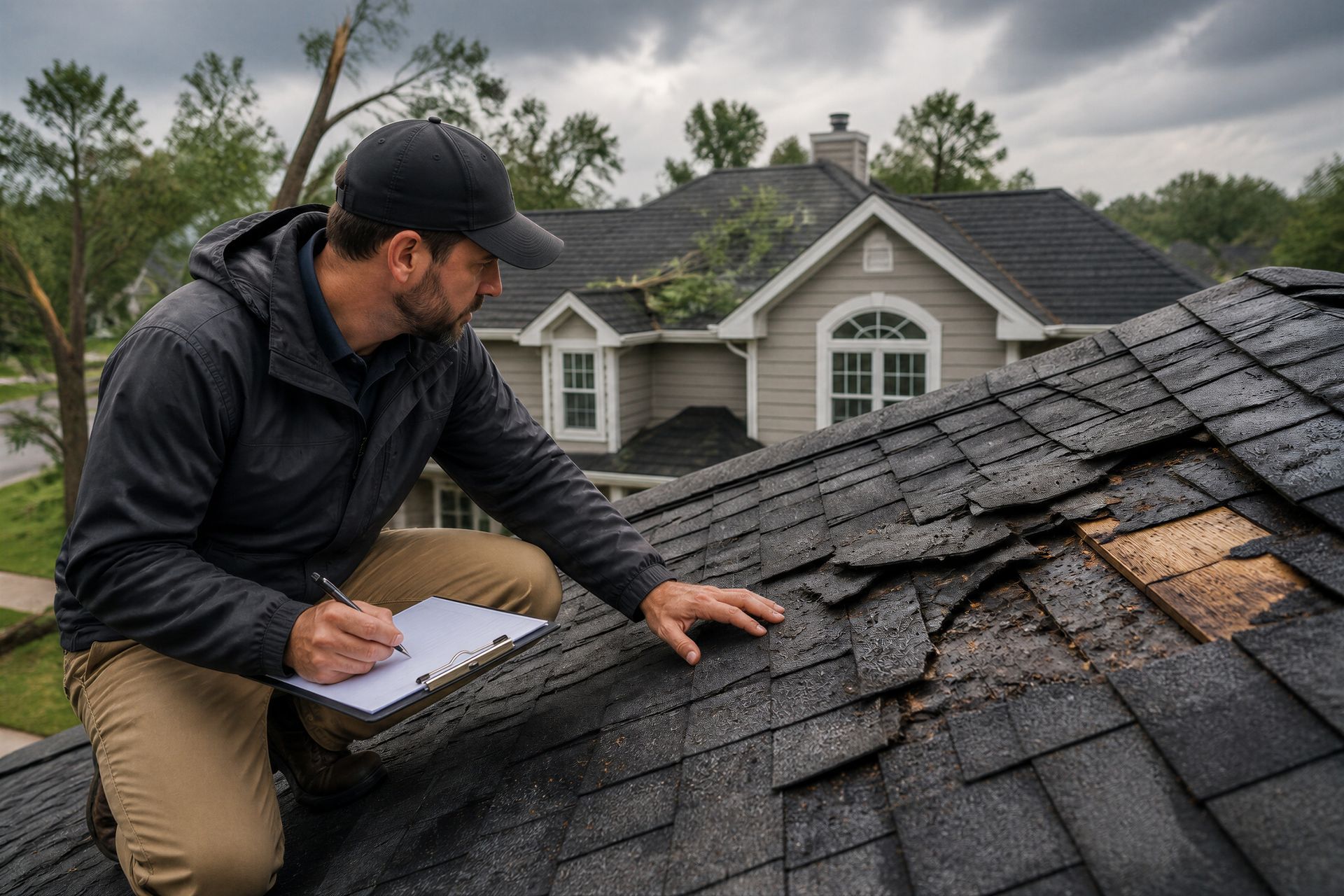
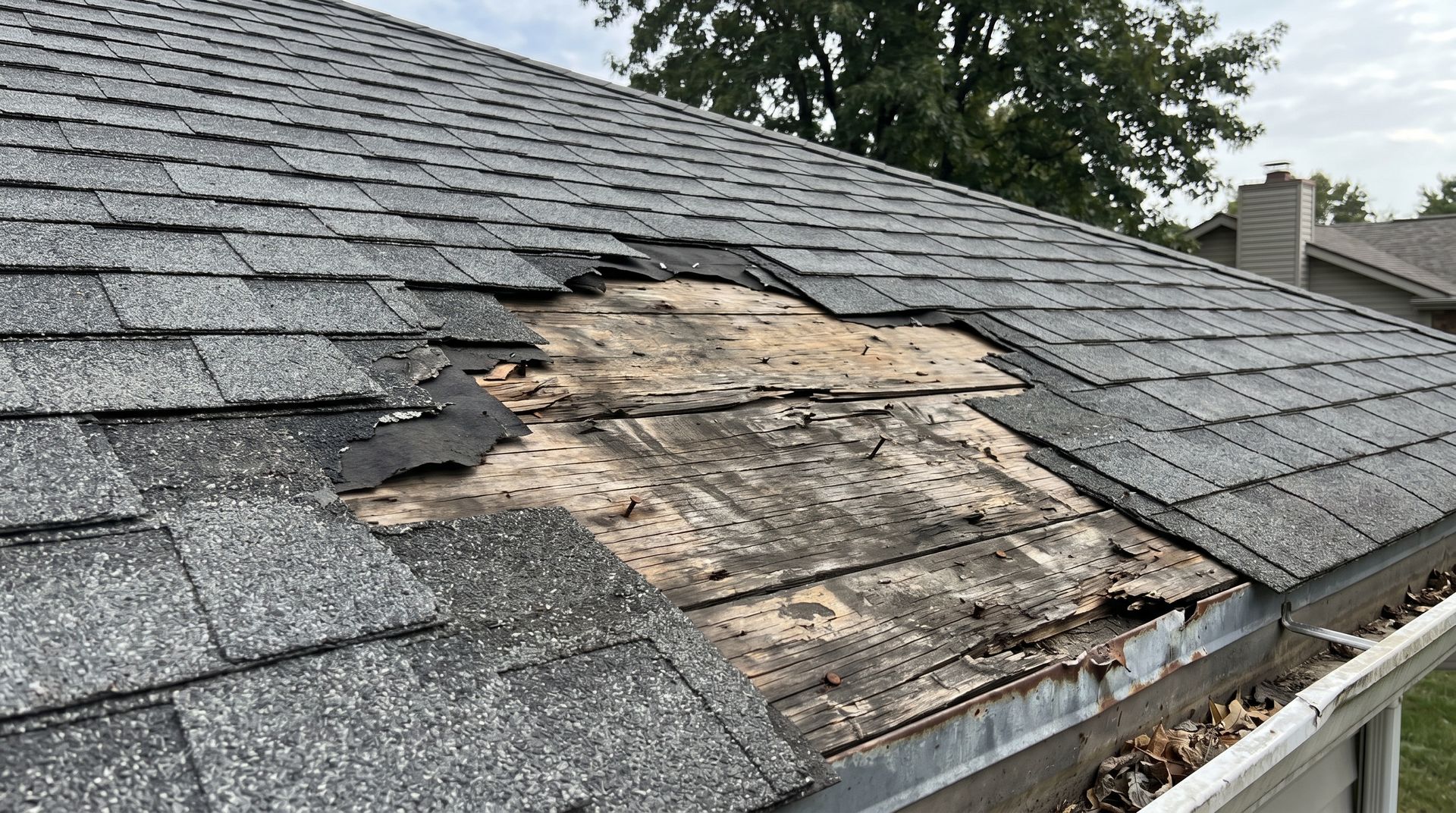
If your roof has known problems, it is worth addressing them before placing solar equipment over the affected areas. Existing leaks, damaged shingles, deteriorated decking, failed flashing or other roofing deficiencies should not simply be covered up by a new installation.
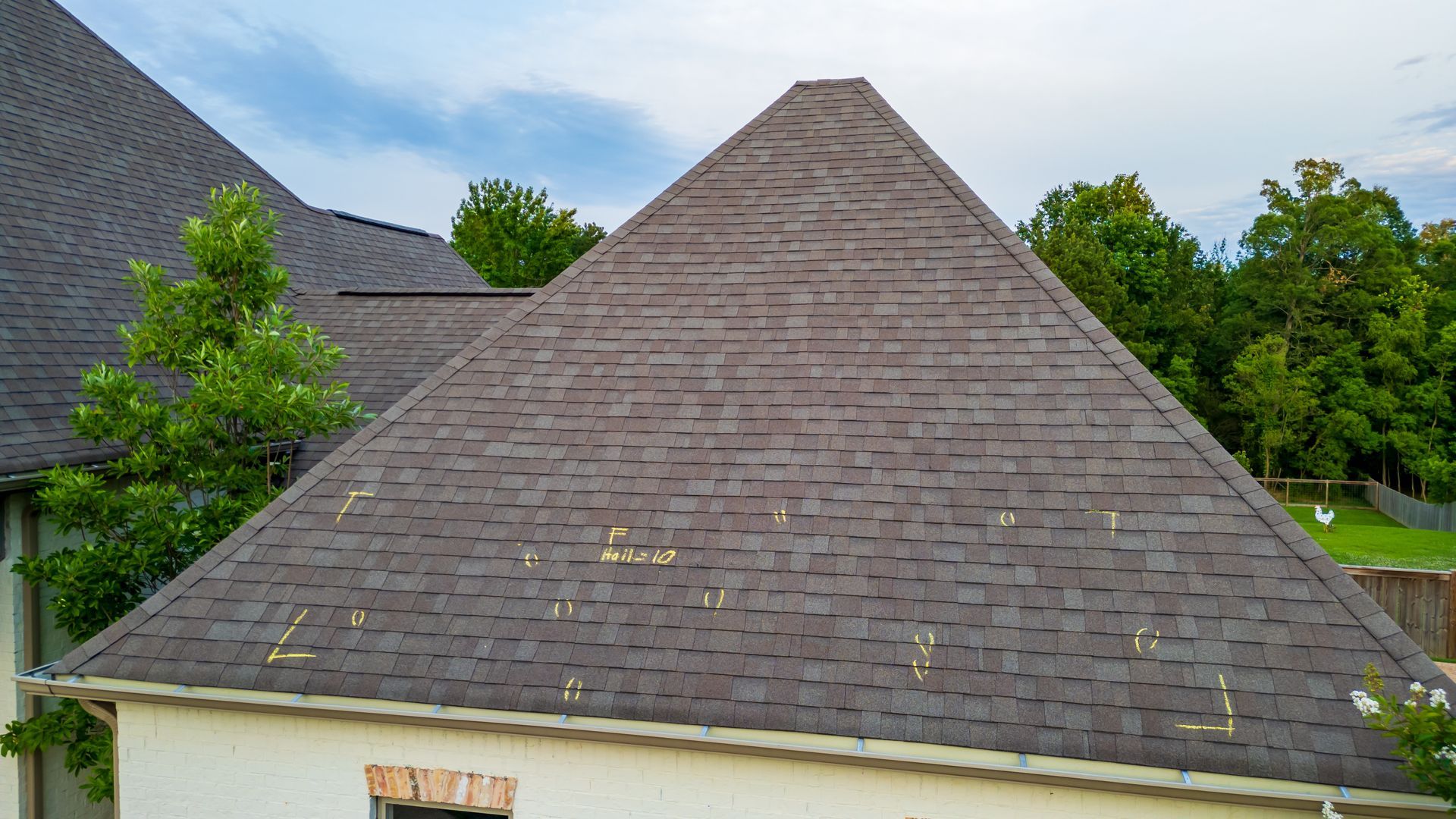
A professional roof inspection can help identify conditions that may affect the timing of your solar project. If the roof is nearing the end of its service life, replacement before solar installation may make more sense than installing panels and dealing with a roof replacement later.
This does not mean every homeowner needs a new roof before going solar. The right decision depends on the roof's age, condition, materials, previous repairs and expected longevity.
Have Your Roof Inspected Before Investing in Solar Panels in Benbrook, TX
At Billy Harris Roofing, we can evaluate the condition of your roof and explain whether repairs or replacement may be appropriate before having solar panels installed. Contact us at (817) 249-3338 or (800) 320-6074 for a professional roof inspection.