Should You Repair or Replace a 15- or 20-Year-Old Roof?
When deciding whether to repair or replace your roof, age is not the only factor to consider. Many roofs that are 15 or 20 years old still have years of useful life remaining, particularly if they've been properly installed, well-maintained and promptly repaired when necessary.
The better question is: What condition is the roof actually in, and how much useful life can you reasonably expect from it?
Look at the Extent of the Damage
A roof with one isolated problem can often be very different from a roof showing deterioration across multiple areas.
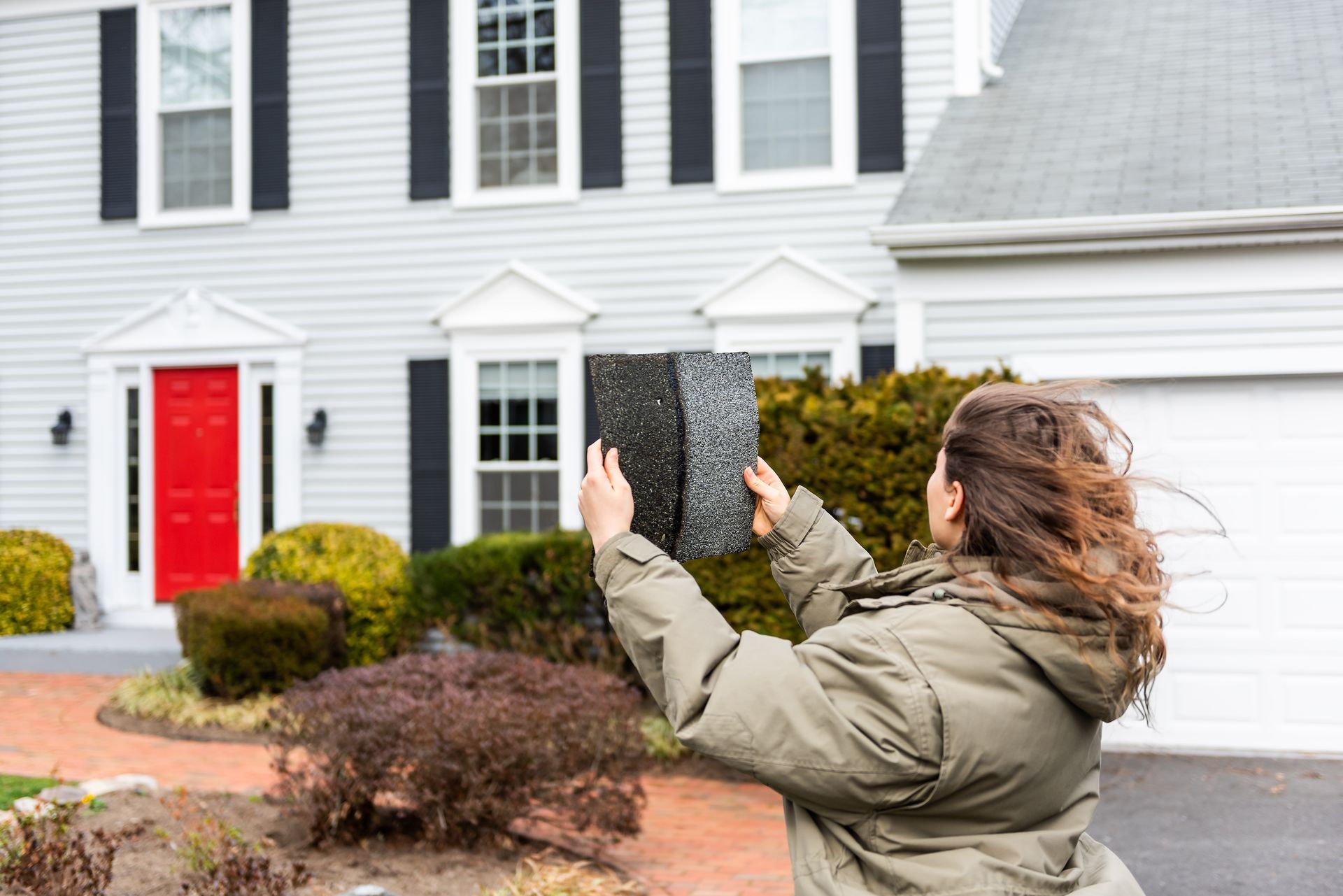
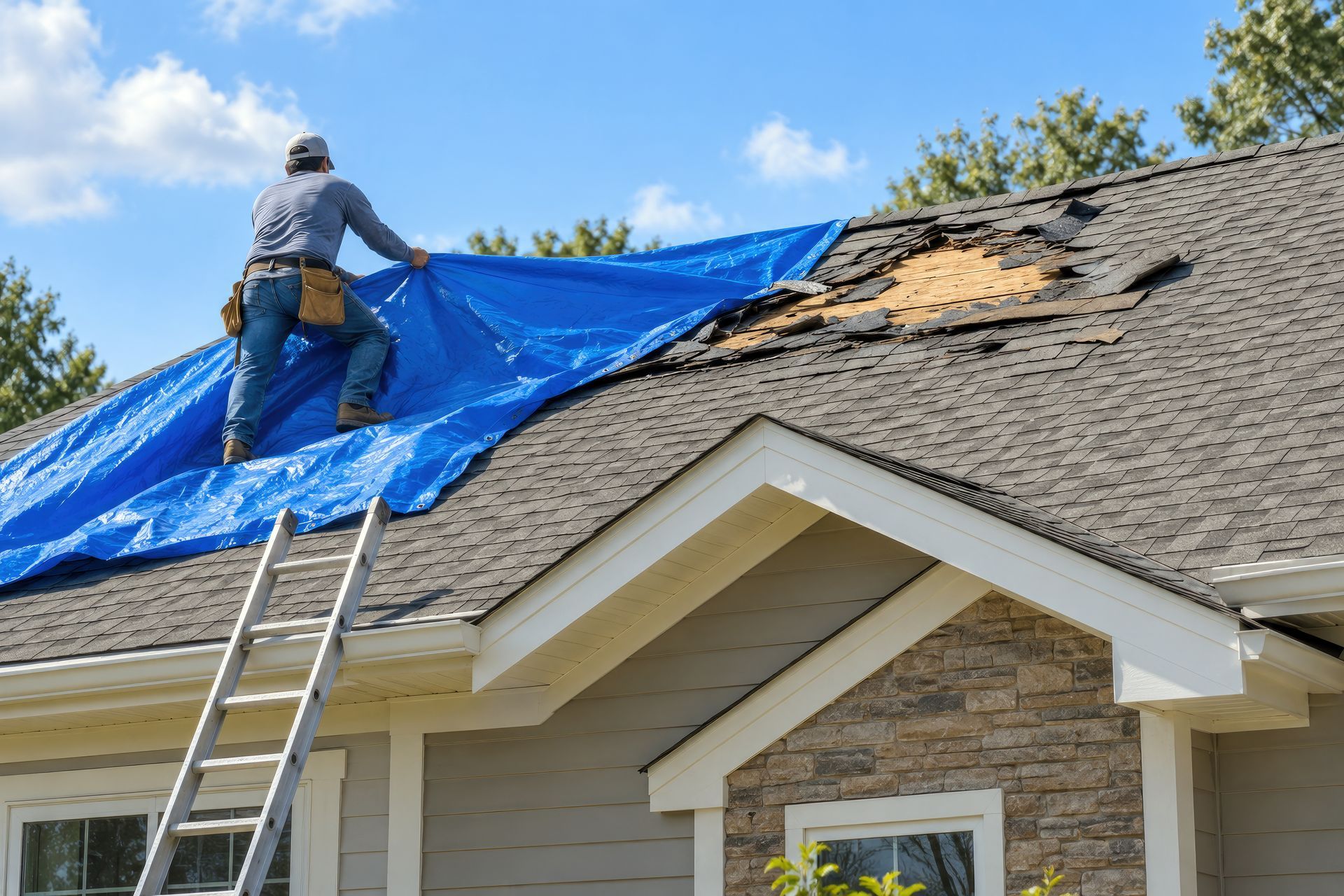
For example, a relatively localized leak caused by a damaged section of shingles, flashing problem, or storm damage may be a reasonable repair project. If the rest of the roofing system remains in good condition, replacing the entire roof may not be necessary.
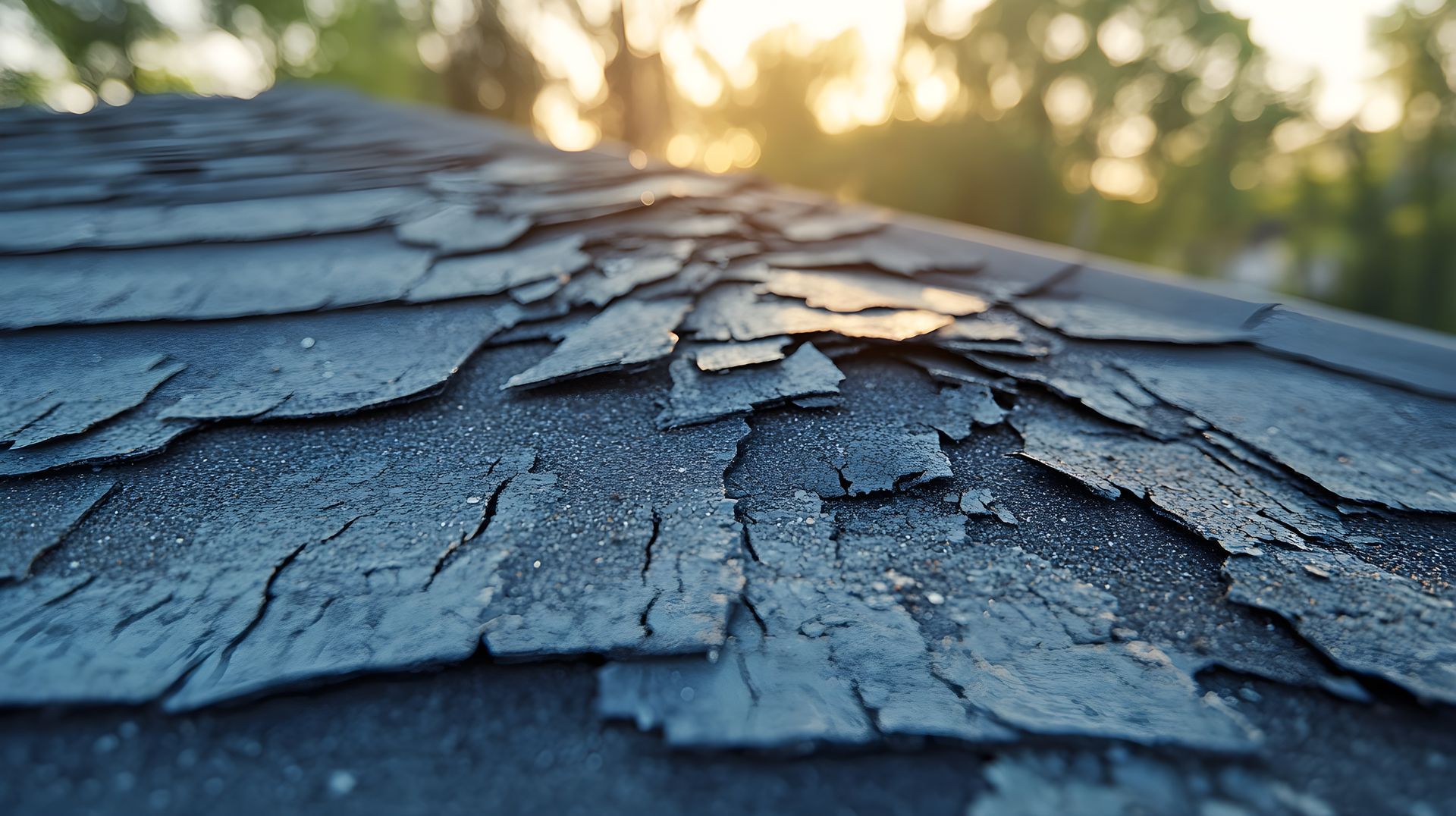
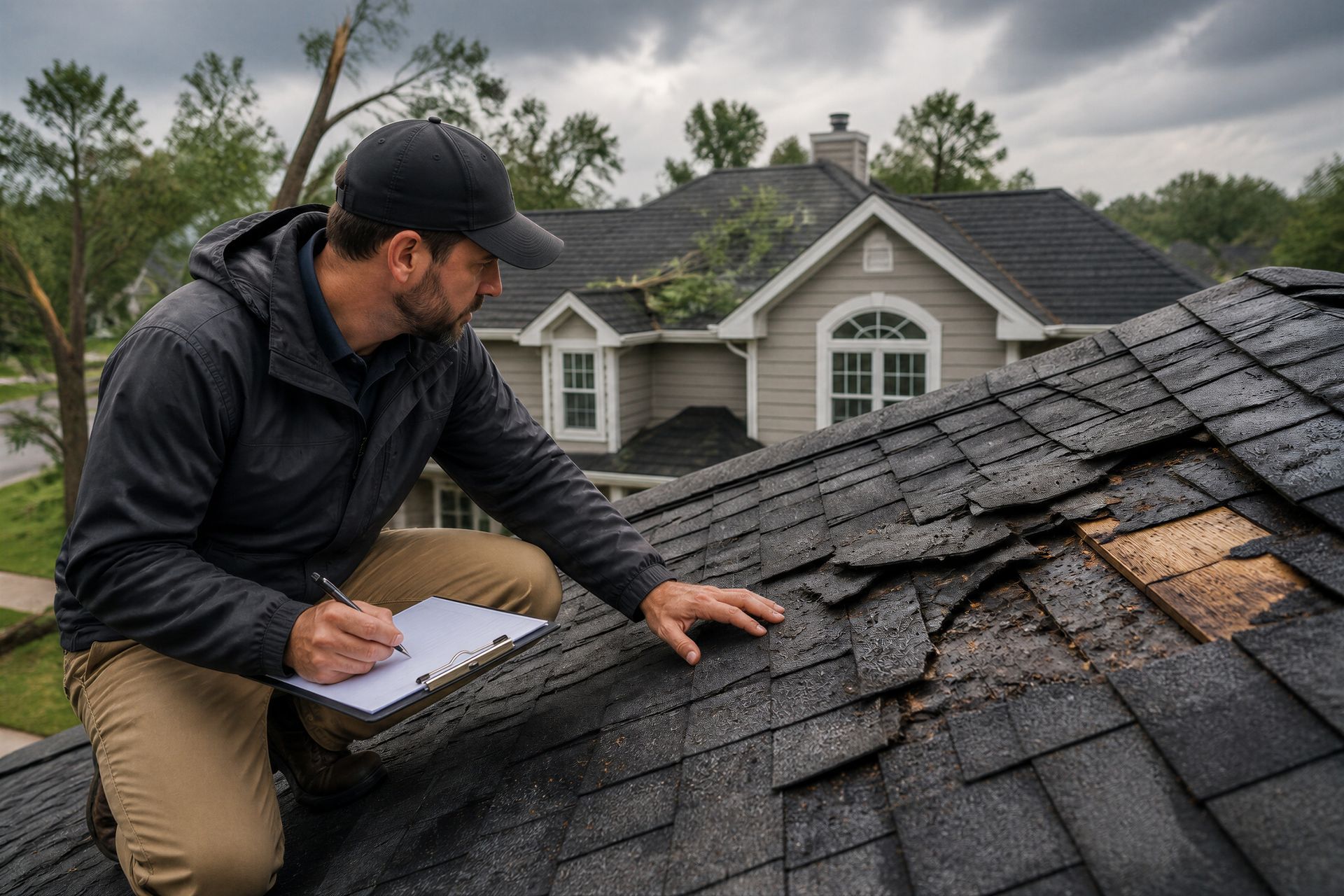
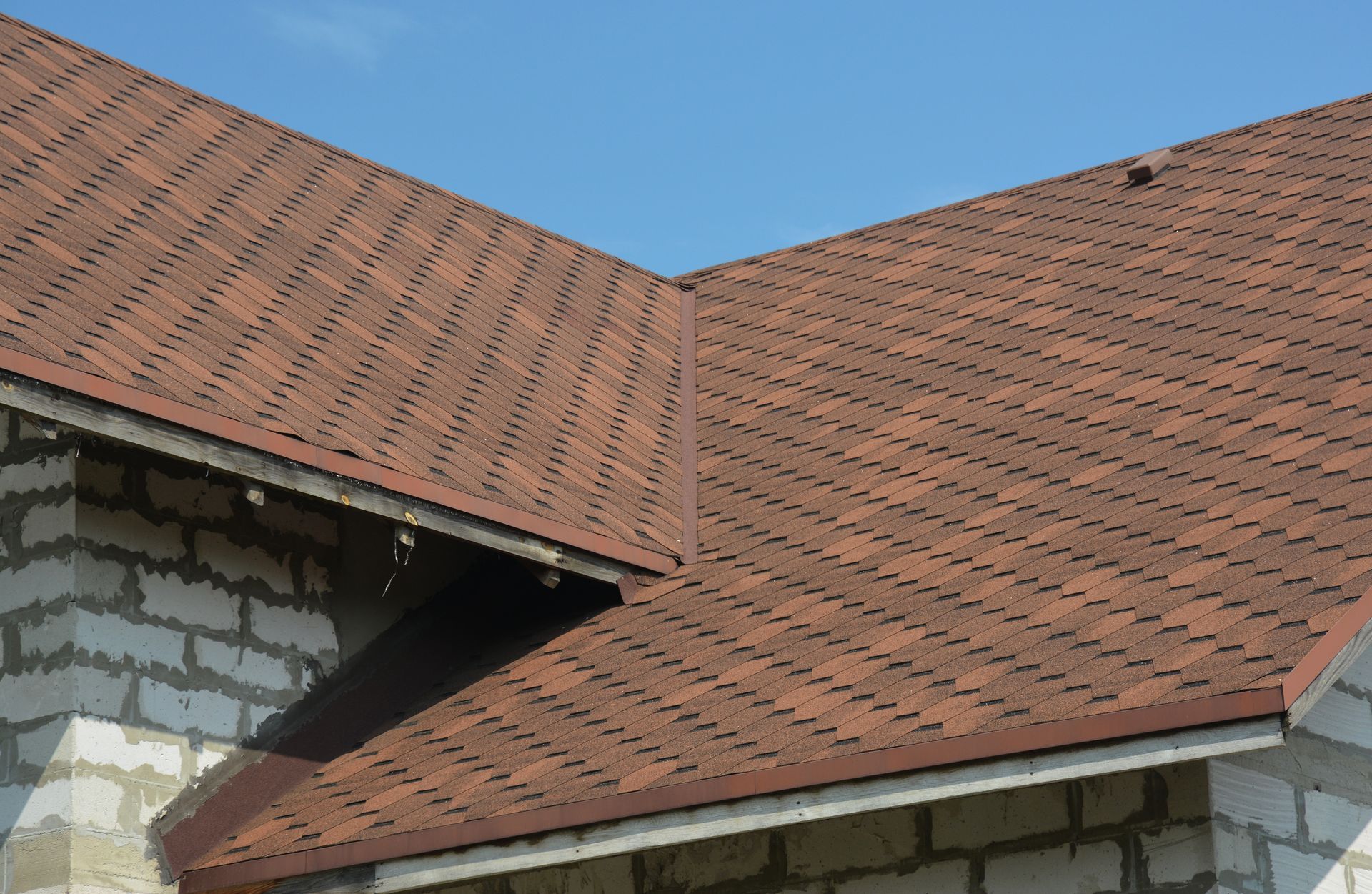
On the other hand, widespread cracking, curling, missing or deteriorated shingles, recurring leaks, exposed roofing materials, and numerous weak areas can indicate that the problem is no longer isolated. Continuing to repair one section at a time may provide diminishing returns when other portions of the roof are also approaching the end of their useful service life.
What Type of Roofing Material Is Installed?
A 15-year-old standing seam metal roof may still have decades of useful life remaining, while an asphalt shingle roof of the same age could already be more than halfway through its expected lifespan. Different roofing materials have substantially different lifespans, so the type of roof is an important consideration when deciding whether repairs or replacement make more sense.
Even within the same category, installation quality, ventilation, weather exposure, maintenance, and previous damage can affect how a roof has aged.
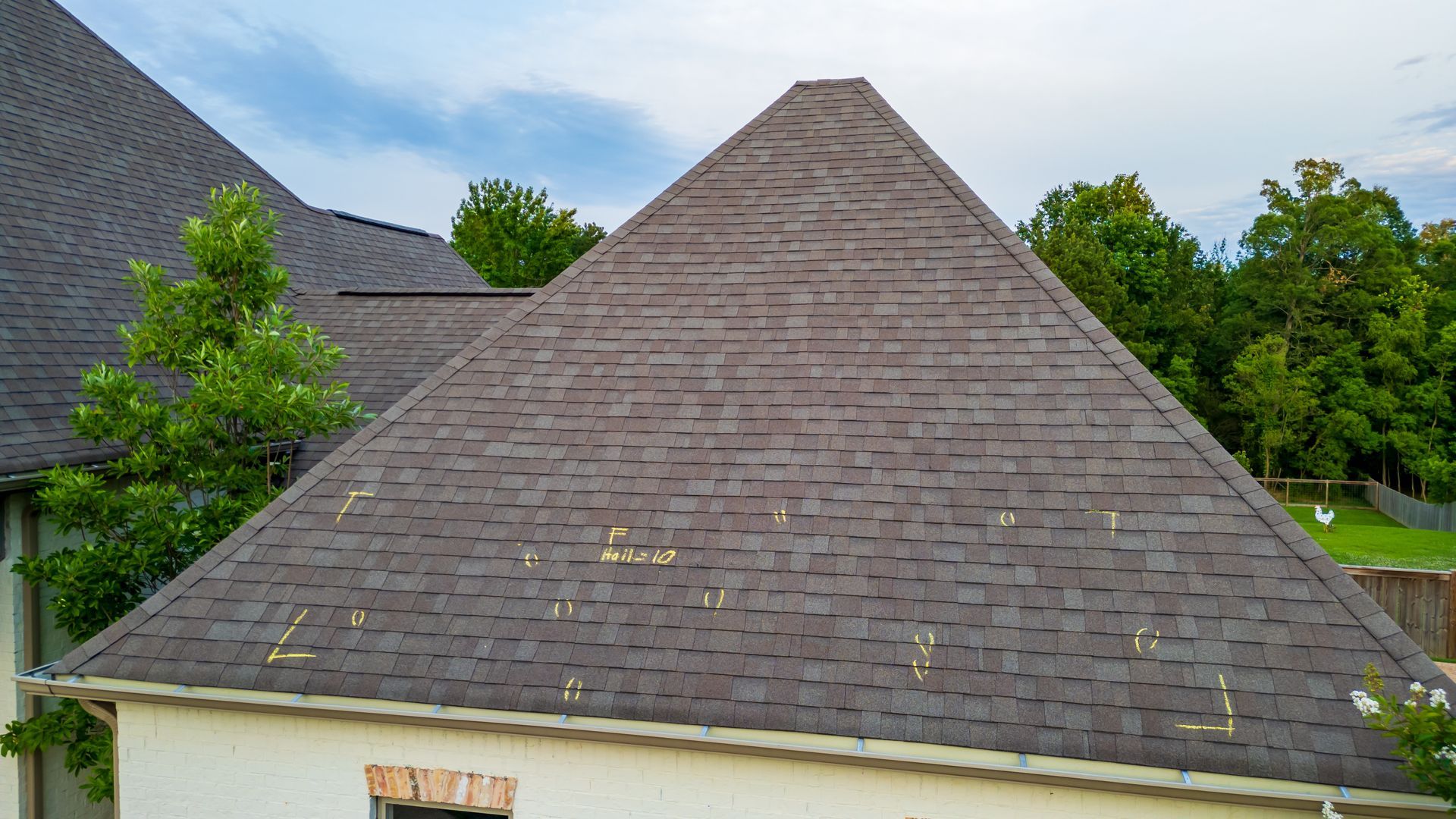
That's why a roof should be evaluated based on its actual condition rather than an age-based rule. A professional inspection can help determine whether the existing material is still performing effectively or whether deterioration has become too widespread for repairs to make sense.
Consider the Roof's Repair History
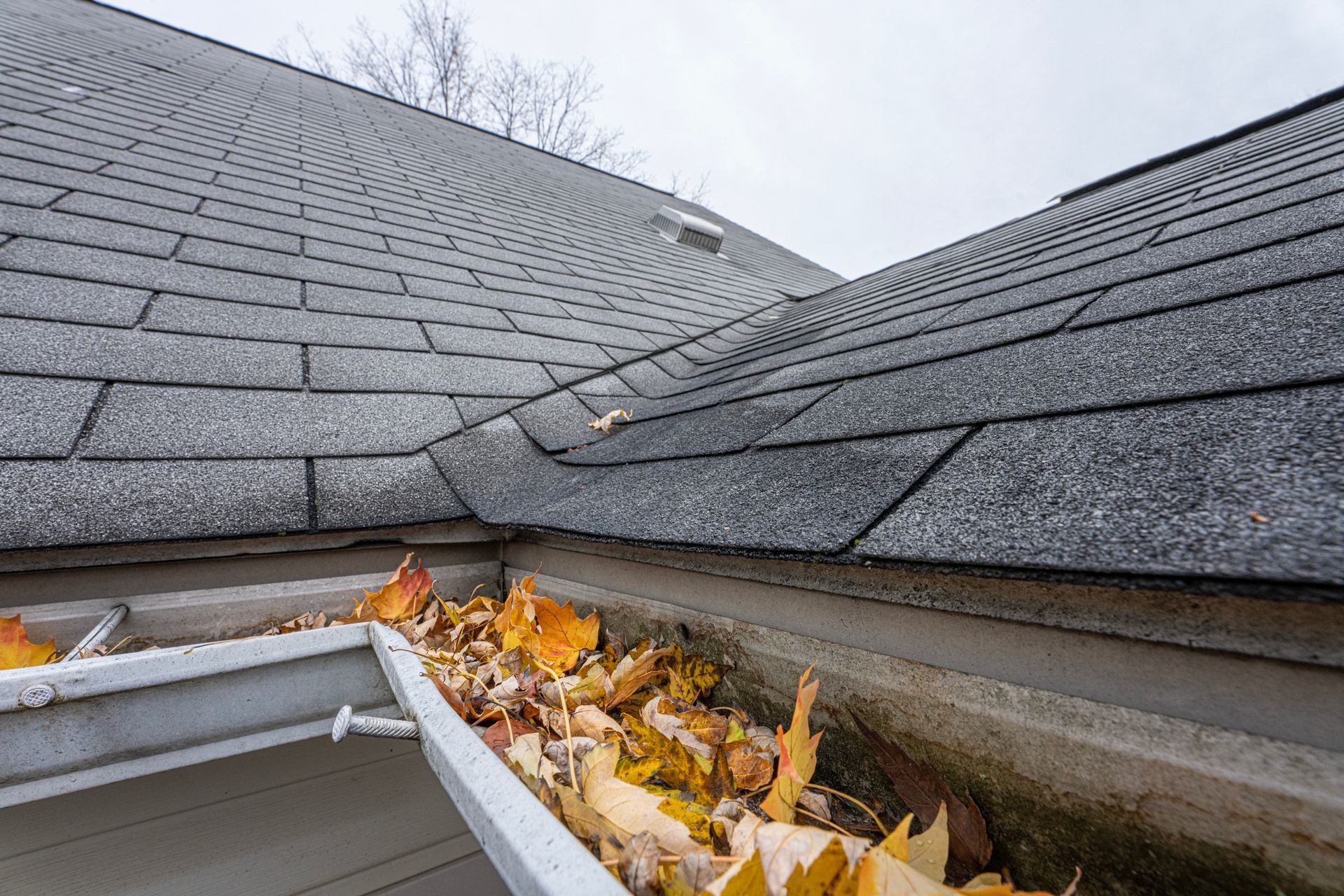
A roof that has required only occasional maintenance over the years may still have useful life remaining. But if you are repeatedly paying to address leaks, damaged shingles, flashing failures, or other problems, it may be worth stepping back and looking at the roofing system as a whole.
Frequent repairs do not automatically mean replacement is required. However, they can indicate that the roof is experiencing broader deterioration and that continuing to patch individual problems may not be the most cost-effective long-term approach.
Can Replacement Shingles Be Matched?
Roofing products change over time. Manufacturers discontinue certain styles, colors, and product lines, and even shingles with similar names may not create a seamless visual match with older materials.
If only a small area needs repair, an imperfect match may be acceptable depending on the location and homeowner's priorities. But if large areas require replacement, the appearance and consistency of the finished roof become more important considerations.
Don't Ignore the Roof Decking
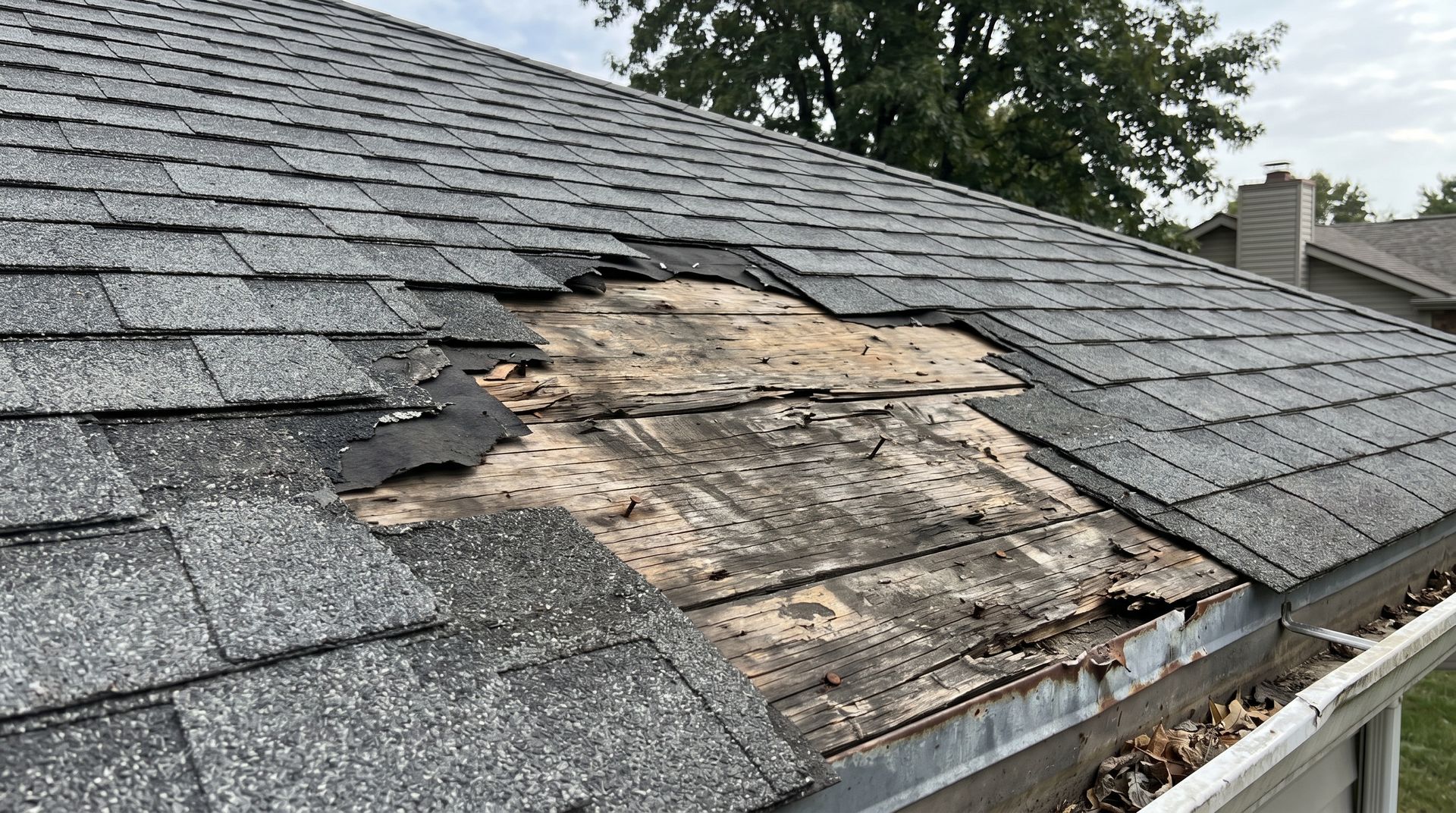
The visible shingles are only one part of the roofing system. Beneath the roofing materials is the roof decking, which provides the structural substrate for the roof covering.
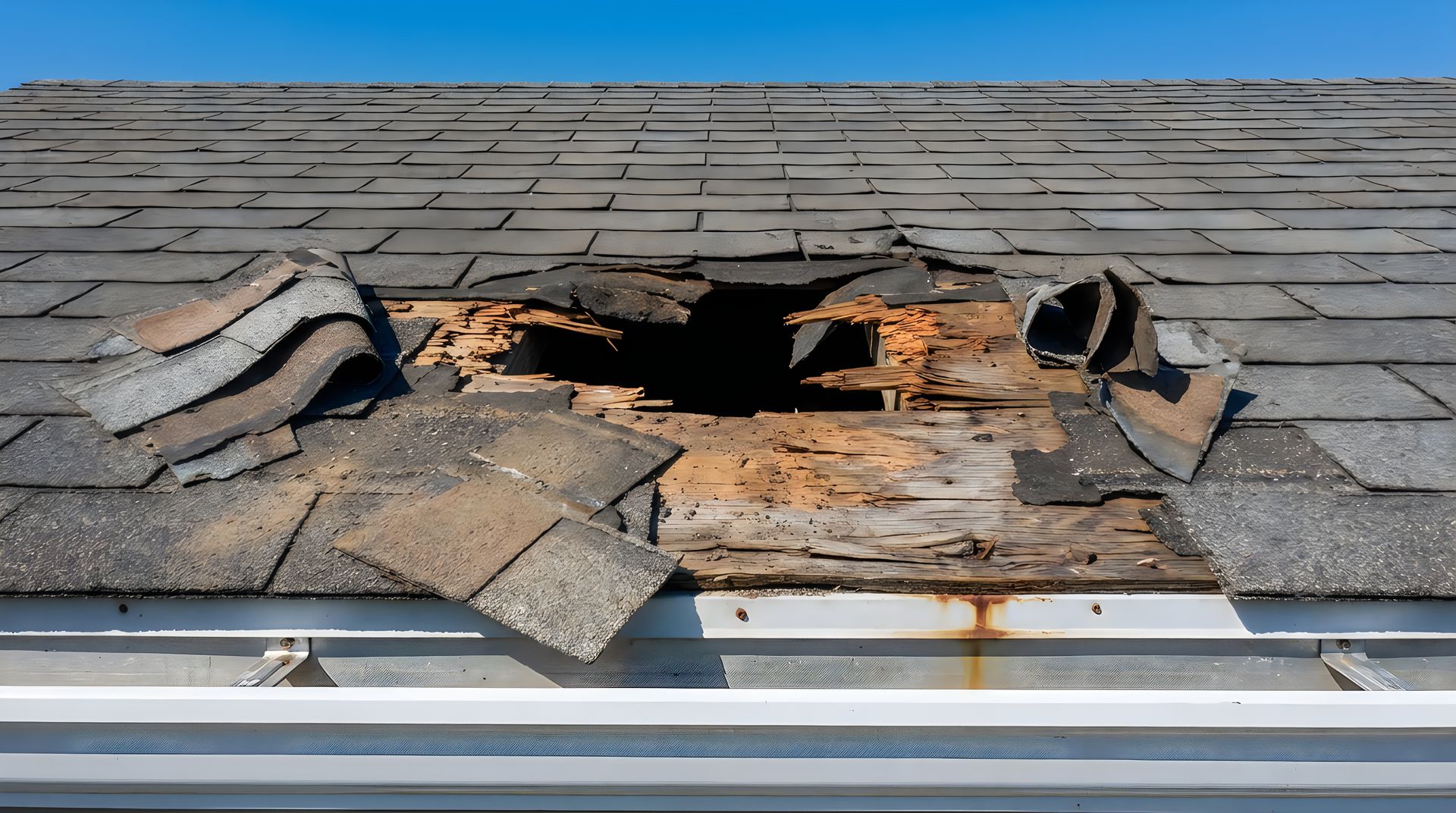
If a long-standing leak has allowed moisture to reach the decking, the underlying material may become weakened or damaged. In those situations, simply replacing the shingles over the affected area may not address the entire problem.
During a repair or replacement, discovering damaged decking can increase the scope of the work because compromised material may need to be removed and replaced before new roofing materials are installed.
Get the Roof Evaluated Before Deciding on a Repair or Replacement
If you're trying to decide whether your aging roof needs another repair or is better suited for replacement, Billy Harris Roofing can help you evaluate the condition of your roof and determine the most appropriate next step.
Contact us at (817) 249-3338 or (800) 320-6074 to schedule a professional roof inspection and get a clearer understanding of your roof's condition.