Why Flashing and Roof Transitions Fail First in North Texas Storms
When severe weather moves through DFW, most homeowners think about shingles blowing off their roofs. While shingles can be lifted and blown away, they are rarely the first part of the roofing system to fail. In many cases, the earliest storm damage occurs around flashing and roof transitions.
These areas are natural weak points in any roofing system because they involve seams, angles and material changes. When high winds, heavy rain and hail strike during North Texas storms, flashing and transition points take the brunt of the stress.
What Is Roof Flashing?
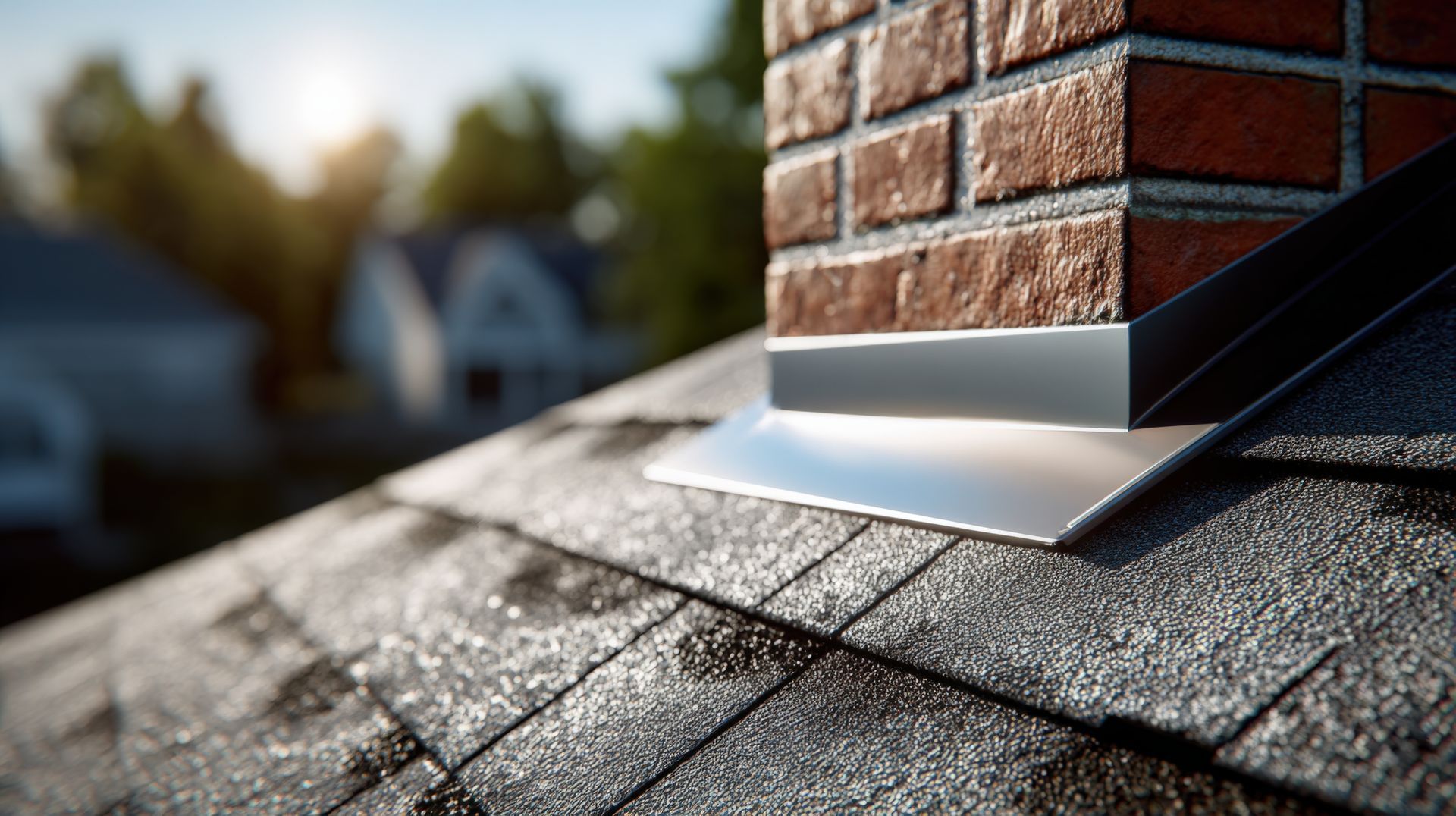
Roof flashing refers to the thin pieces of metal installed at critical joints in a roofing system. These metal components help direct water away from vulnerable areas where leaks are most likely to occur.
Flashing is commonly installed around:
- Chimneys
- Roof vents
- Skylights
- Dormers
- Roof valleys
- Wall intersections
- Plumbing stacks
Without flashing, rainwater could easily seep into the seams where roofing materials meet vertical surfaces or structural transitions.
Flashing is designed to create a waterproof barrier, but because it sits at the intersections of different roof components, it experiences more movement and stress than the surrounding roofing materials.
Why Roof Transitions Are Vulnerable
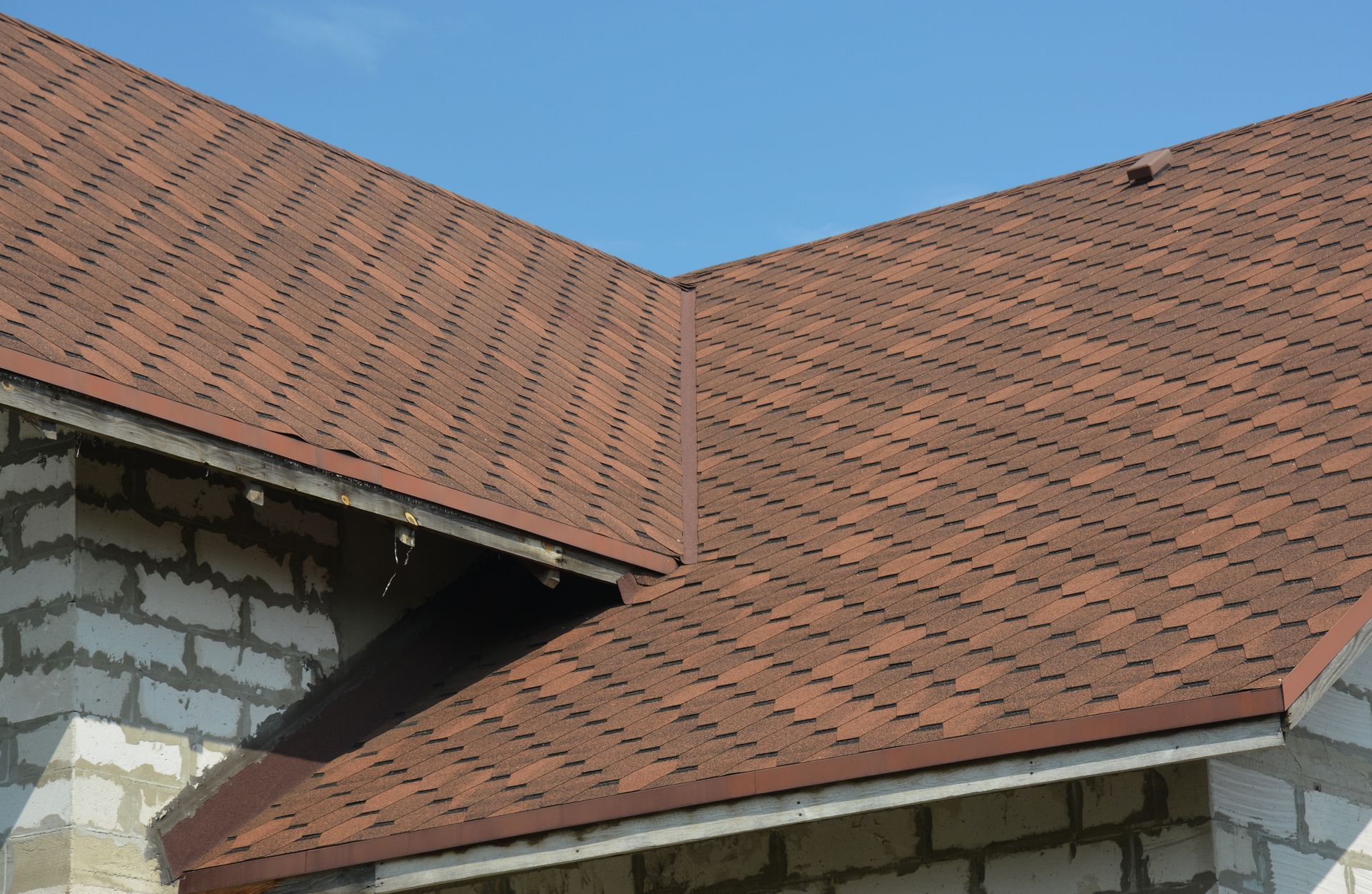
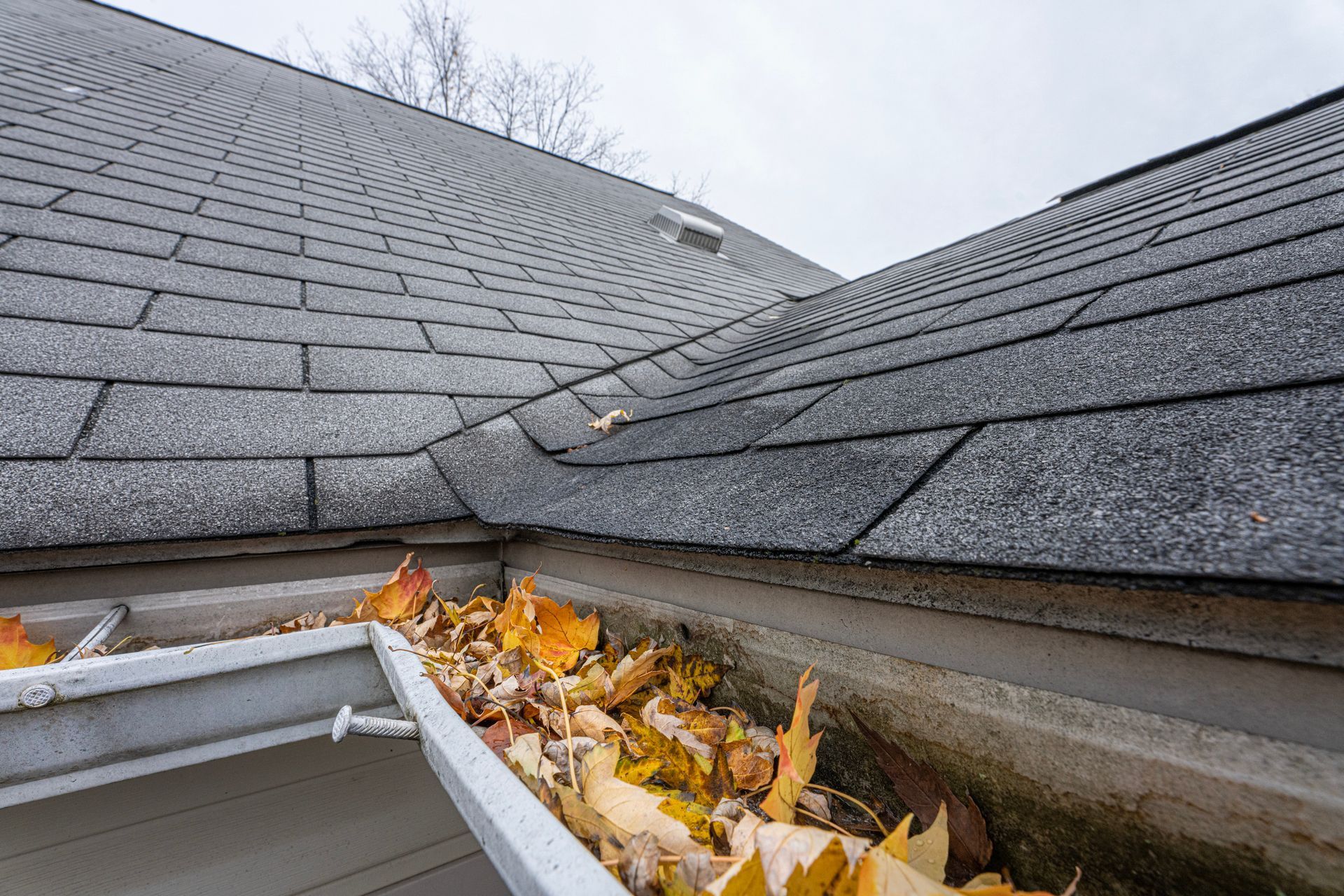
A roof transition is any point where two surfaces meet or where the roof changes direction. These areas may include slopes meeting in a valley, roof sections connecting to walls or different roof levels intersecting.
Transitions require precise flashing installation to ensure water flows properly down your roof and into gutters.
If the flashing or sealing materials in these areas weaken, water can quickly find its way beneath the roofing system.
High Winds Stress Flashing First
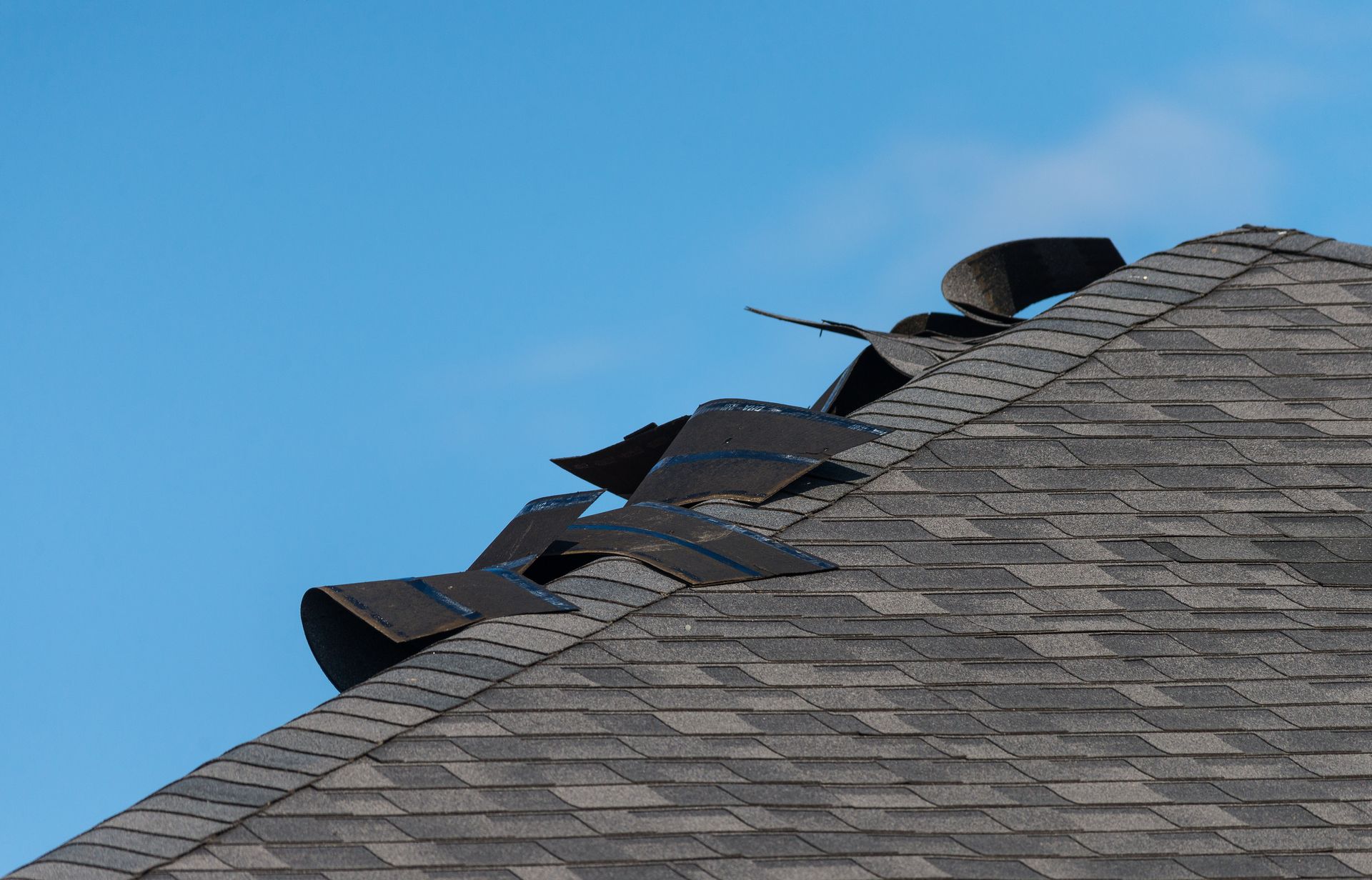
North Texas storms frequently bring powerful wind gusts capable of lifting and shifting roofing materials. While shingles are designed to flex slightly in windy conditions, flashing components are often more rigid. Strong winds can cause flashing to:
- Bend or warp
- Pull away from fasteners
- Separate from sealant lines
- Loosen at seams
Once flashing begins to lift even slightly, wind-driven rain can easily enter the opening and begin damaging the underlying roof structure.
Gaps in flashing are difficult to spot from the ground. Even up close, you might not notice a gap that’s large enough to allow water to reach the roof underlayment and deck. That’s why a professional roof inspection is so important for diagnosing flashing damage.
Heavy Rain Exploits Small Weak Points
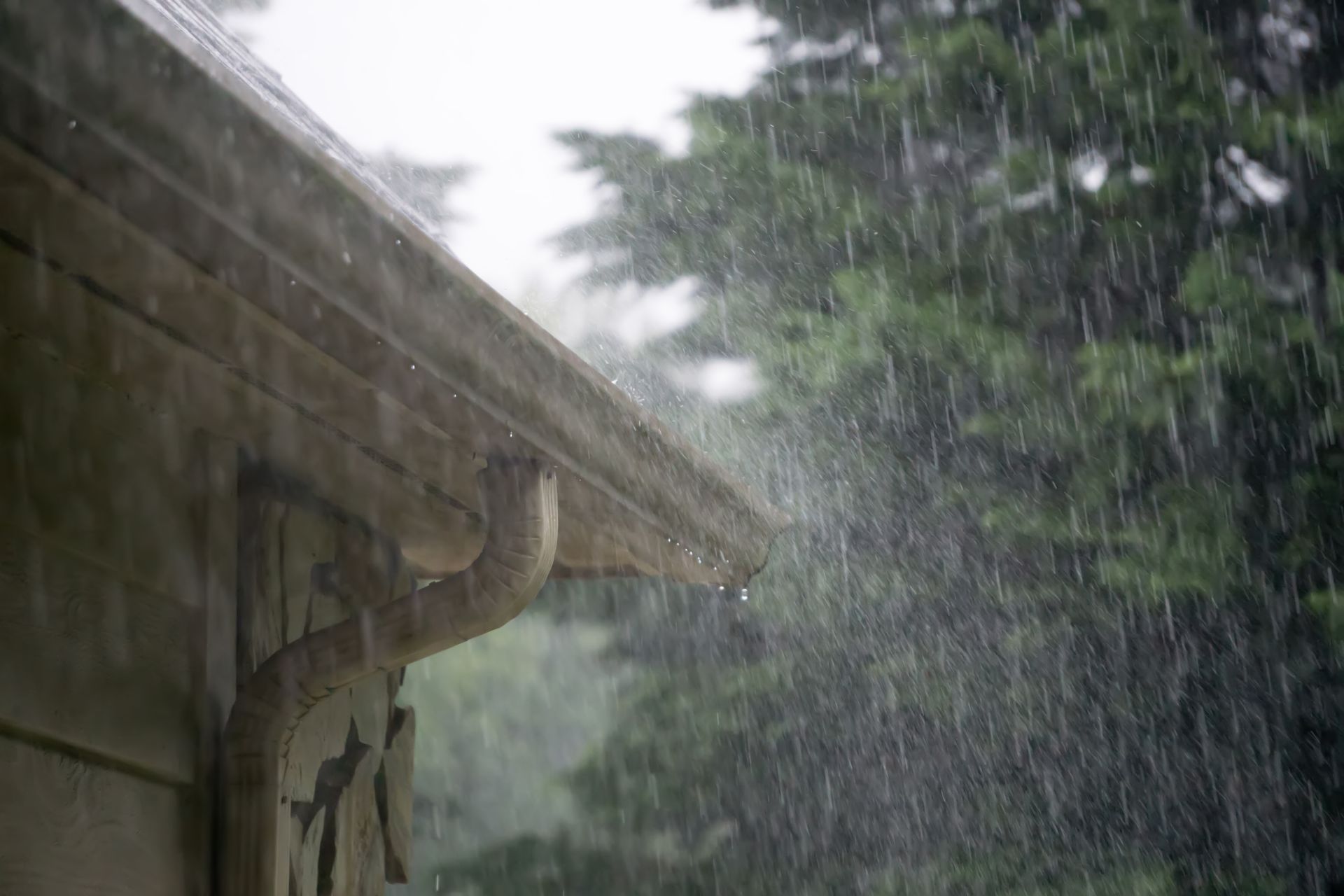
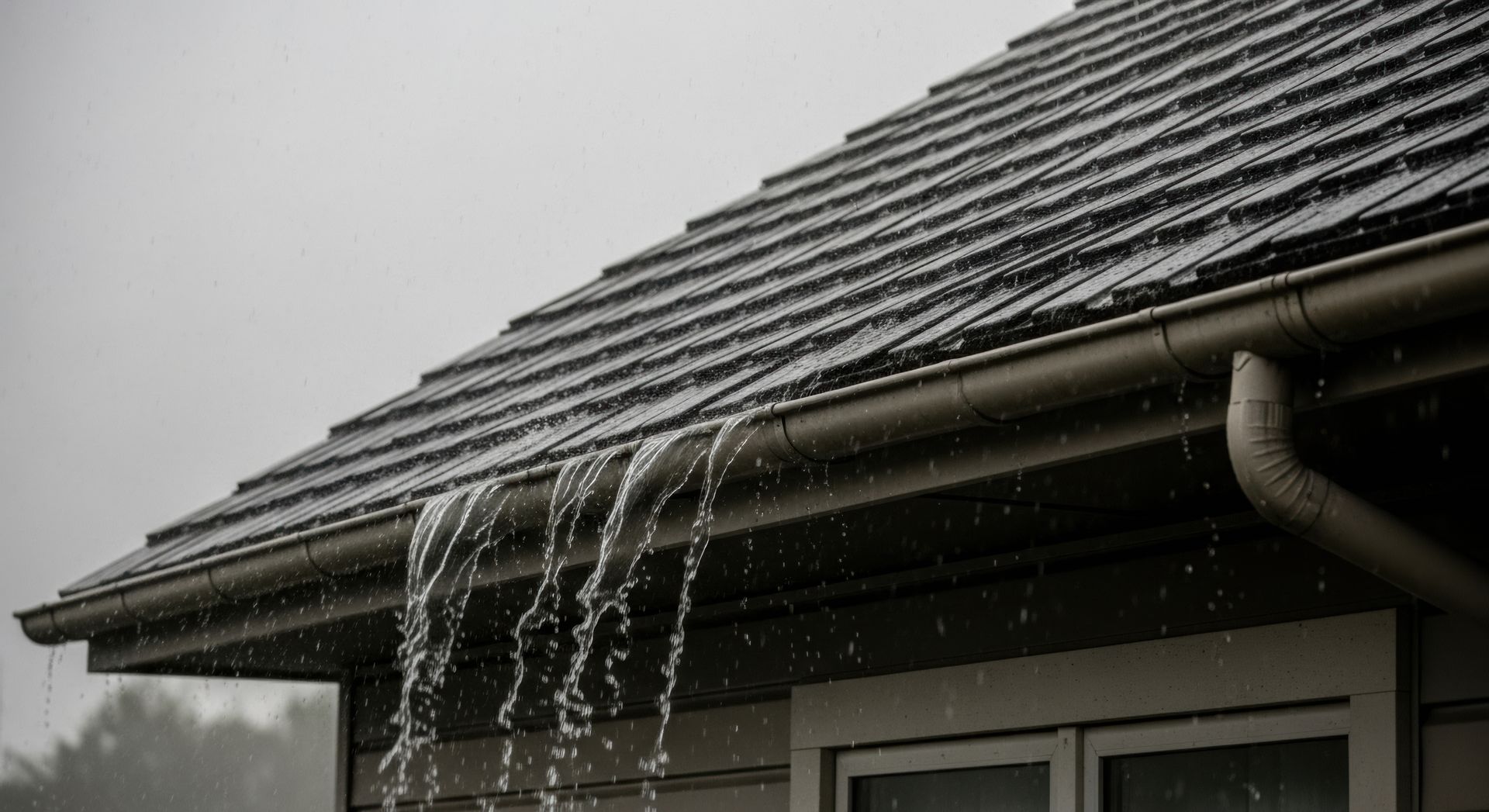
North Texas storms often produce intense rainfall in short periods of time. When large amounts of water move quickly across a roof surface, even small imperfections in flashing or transition areas can allow water infiltration.
These high-flow conditions place significant pressure on roof valleys and flashing joints. If the sealant has aged or metal flashing has shifted, water can be forced into areas that normally remain dry.
Over time, repeated storms can enlarge these small vulnerabilities until they eventually become visible leaks inside the home.
Hail Can Damage Flashing Materials
Hailstorms are another major factor affecting roofing systems in North Texas. A hailstone that leaves little or no visible damage on a shingle may still be large enough to dent or damage metal flashing components.
Metal flashing around vents and chimneys can become warped, breaking the seal that protects these openings. Even small dents can create uneven surfaces where water collects or flows incorrectly.
In addition, the sealants used around flashing edges can become brittle after repeated hail impacts, reducing their ability to maintain a watertight seal.
Temperature Swings Cause Expansion and Contraction
Hot summer days followed by cooler nights cause roofing materials to expand and contract repeatedly.
Metal flashing is particularly affected by this movement because it is attached to different materials such as wood, masonry and shingles. Each of these materials expands at different rates. Over time, this constant movement can:
- Loosen fasteners
- Crack sealant lines
- Create tiny gaps along flashing edges
Storm conditions can then exploit these weakened areas, allowing water intrusion during heavy rain events.
Aging Sealants and Materials
Roofing sealants gradually dry out, crack and lose their flexibility as they age. When sealant deteriorates, flashing may begin separating from the surfaces it protects. Small openings can develop that allow moisture to penetrate beneath the roofing materials.
Protect Your Roof in Benbrook or DFW with Expert Roofing Services
If your home or business has recently experienced severe weather or you suspect your roof may have sustained damage, a professional inspection can provide peace of mind and help identify problems early.
Contact Billy Harris Roofing today at (817) 249-3338 or (800) 320-6074 to schedule a professional roof inspection and keep your property protected through every season.