What Types of Roofs Have the Longest Lifespan?
Different roof types have wildly different lifespans, with some materials needing to be replaced every 20 years and others lasting well into the next century. Replacing your roof can be an exorbitantly expensive project that you don’t want to have to do more than a couple of times while you own your home.
Replacing your roof with durable and long-lasting materials can ensure you get the most out of your home’s most important investment for longer, minimizing repairs and maximizing peace of mind.
The experienced roofers at Billy Harris Roofing can guide you through your options and help you decide on the best roofing materials for your needs.
Architectural Shingles: 25 to 30 Years
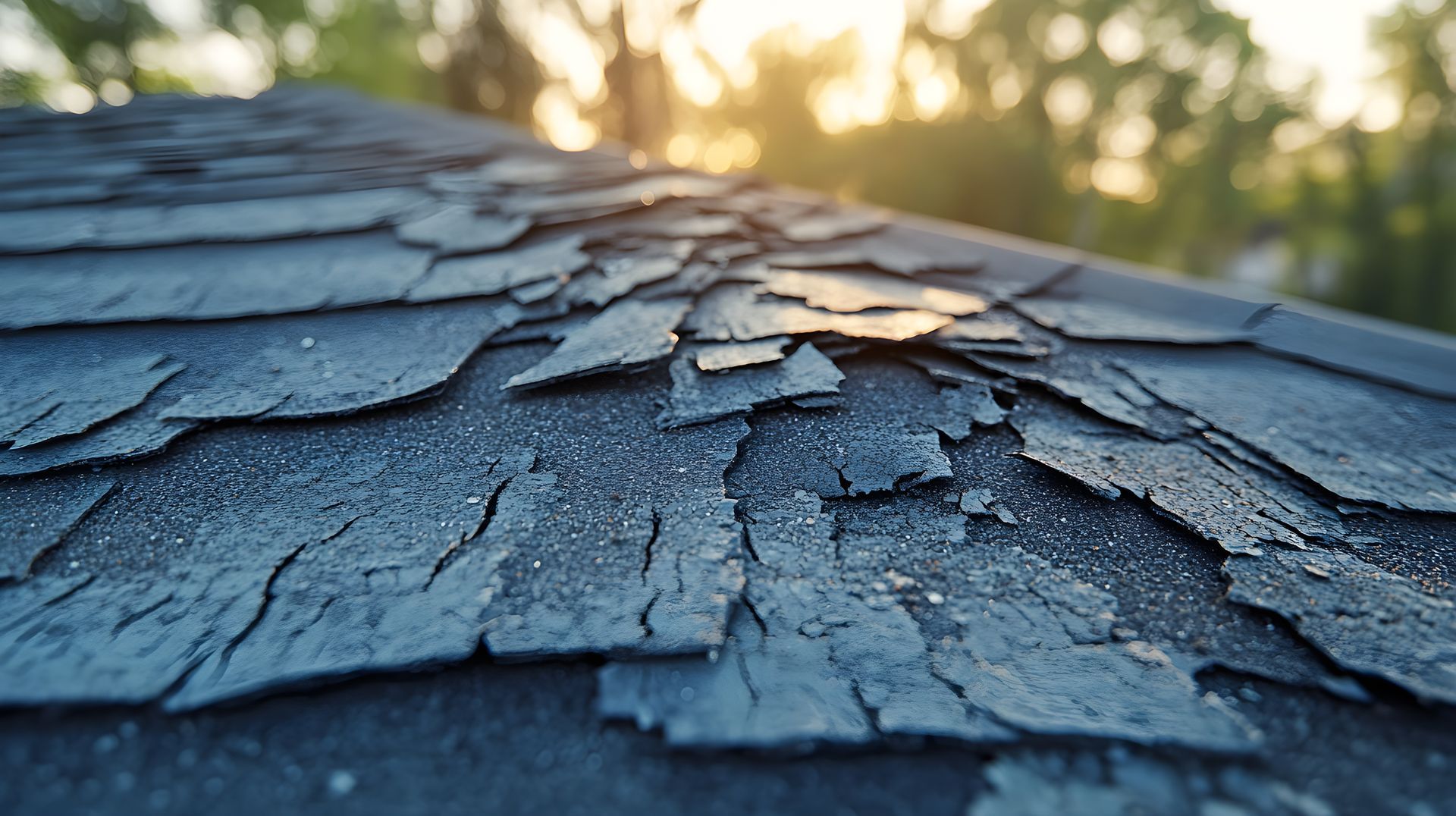
The shortest lifespan of all roofing materials is three-tab asphalt shingles, which may only last for 15 to 25 years. The better option is their thicker, more durable and better-looking cousin – architectural shingles.
Although architectural shingles have a shorter lifespan than some of the high-cost alternative materials, they’re also more commonly utilized due to the ideal blend of durability and affordability they offer.
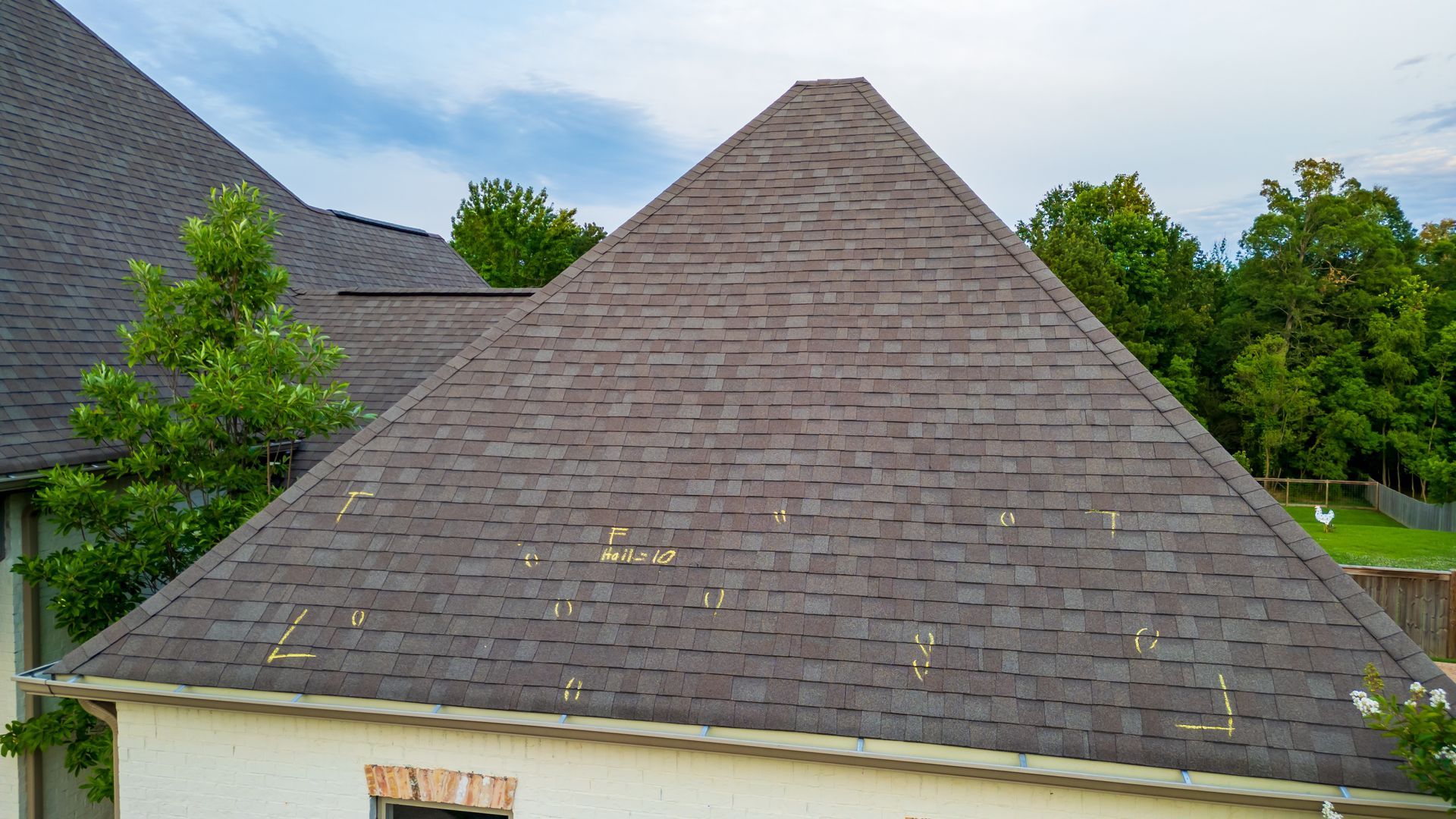
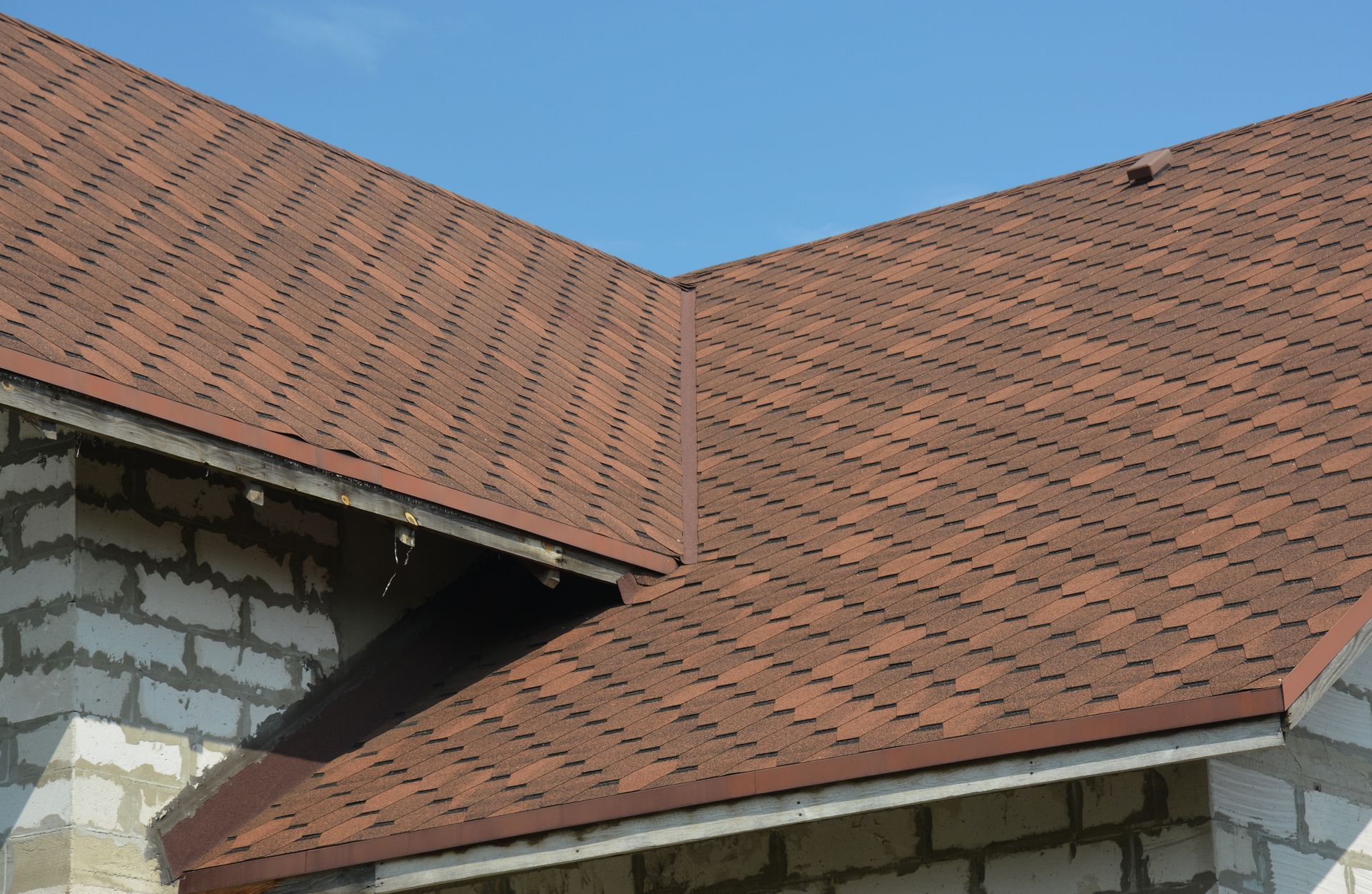
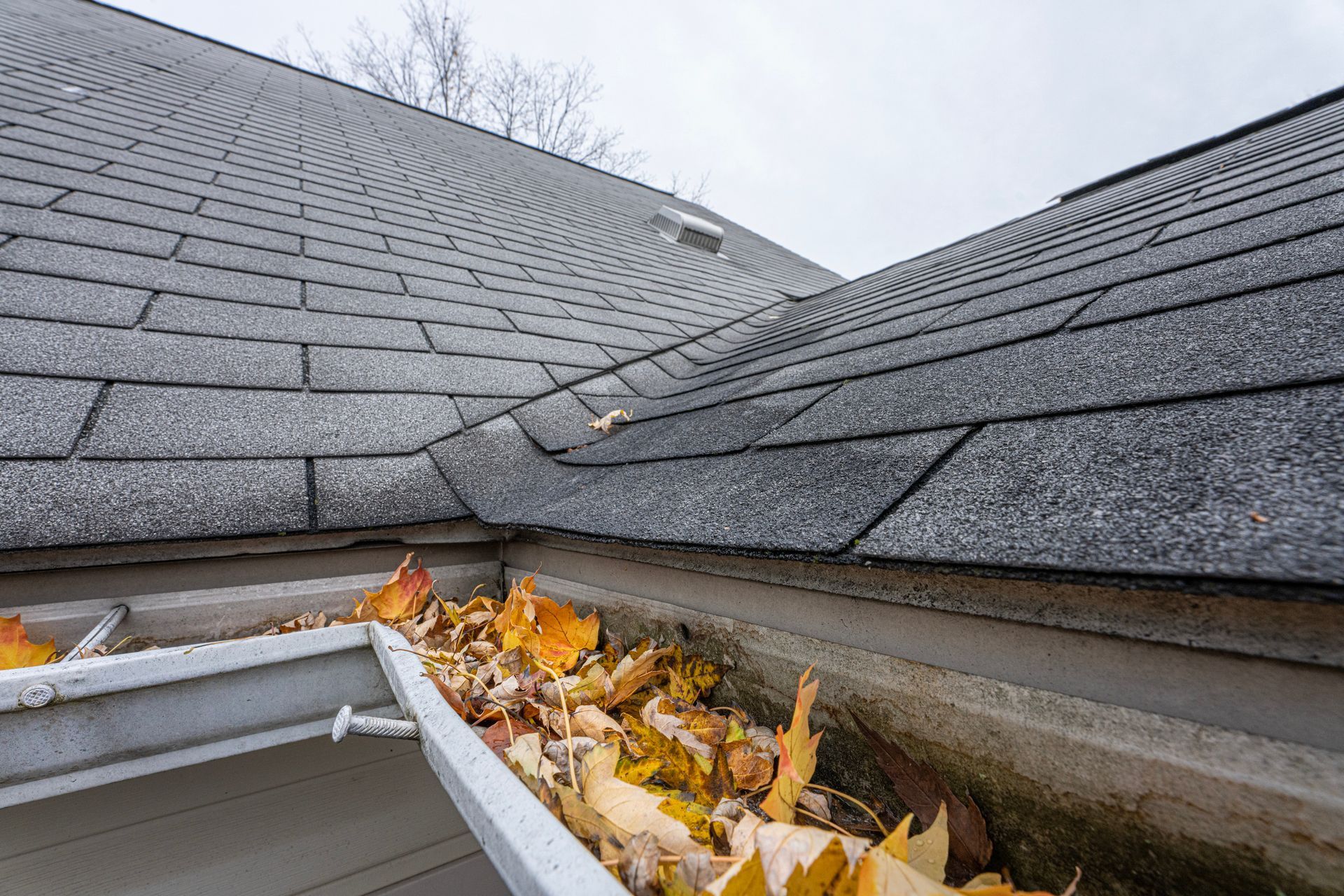
Architectural shingles are made with multiple layers of asphalt, which gives them more resistance to weather damage than the outdated three-tab shingles model. Despite being newer, architectural shingles are still affordable and low maintenance. Their lightweight nature makes them easier to repair, less likely to leak and more resilient to water pooling. Homeowners can spend less initially and over time on repairs[1] with architectural shingles.
Metal Roofing: 30 to 50 Years
Part of the reason metal roofs last significantly longer than architectural shingles is their superior durability. Metal roofs are highly resistant to severe weather conditions like heavy wind and rain and are even resistant to hail damage. Although more expensive, metal roofs can save homeowners money on repairs – especially when equipped with a resilient coating[2] – as they tend to continue to perform optimally longer than architectural shingles can.
There are multiple types of metal roofs, each with their own benefits and lifespans:
- Steel is the most common type of metal roof – durable, low-maintenance and fire- and rot-resistant with a lifespan of up to 50 years. Steel is not impervious to corrosion, which can be an issue with persistent high humidity (which is sometimes the case in Dallas–Fort Worth).
- Aluminum is lightweight, corrosion and rust-resistant and flexible for complex roof designs. It boasts a lifespan of up to 50 years, but it’s more vulnerable to denting because it is softer than steel.
- Copper is unique because it develops a patina that changes into a beautiful teal color over time – although the material is far more expensive than other roofing types. It’s lightweight and corrosion-resistant like aluminum but can potentially last upwards of 70 years with maintenance.
- Zinc is similar to copper in that it can also patina but has the added benefit of being corrosion-resistant and abnormally long-lasting for metal roofs, though this makes it even more exclusive than copper. With regular maintenance, it can last a century or more.
Standing seam steel and aluminum roofs are the most common metal roofing materials and the more affordable option. Their unique aesthetic doesn’t appeal to every homeowner, which is one reason why they’re much less common than architectural shingles. If you live in an HOA with rules regarding roofing materials and style, metal roofing might not be an option.
Tile Roofing: 50 to 100 Years
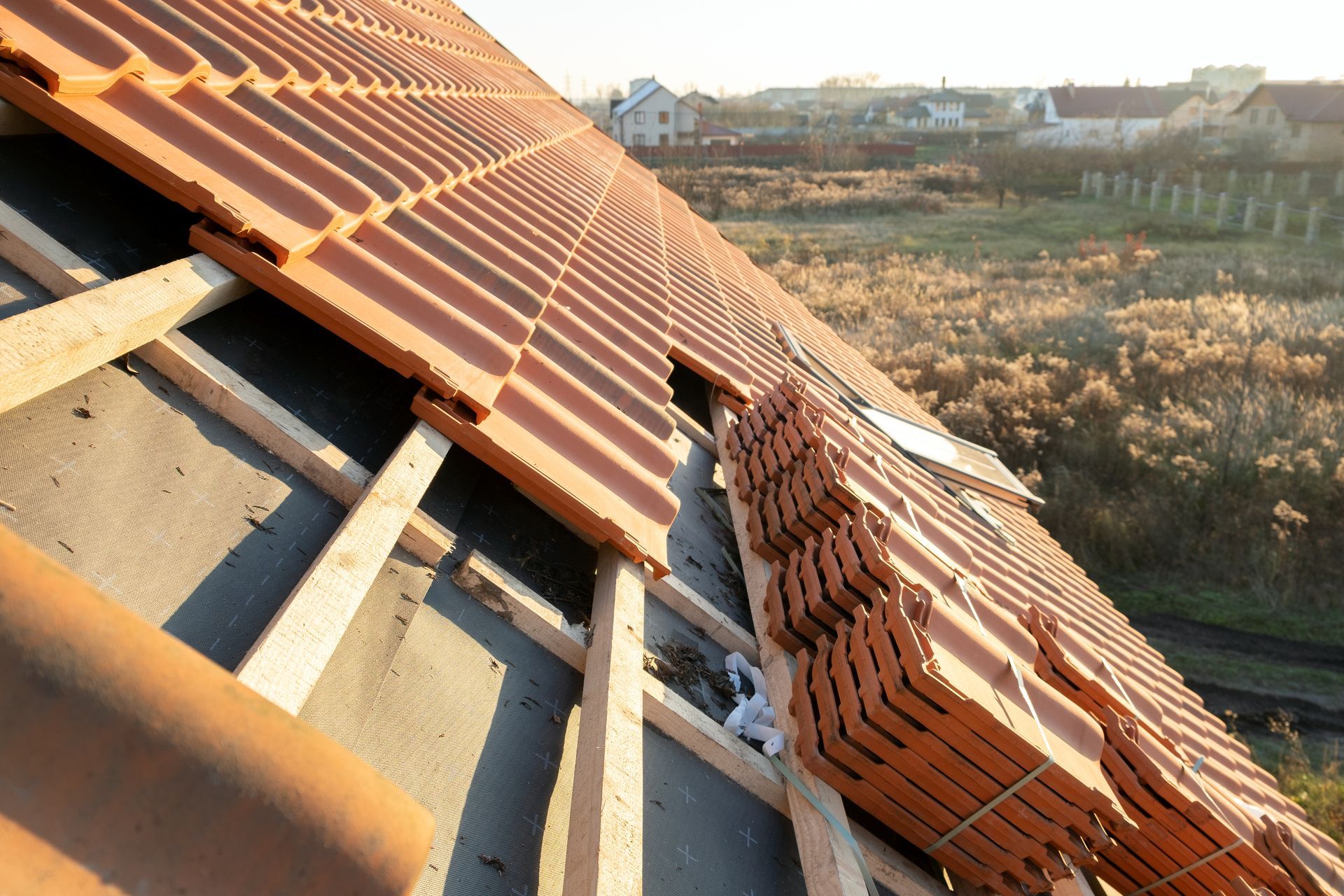
Tile roofs are either made with clay or concrete tiles – both have attractive curbside appeal and are more resistant to rot and insect infestation compared to other roofing materials. Clay tiles are more vibrant and lightweight, while concrete tiles are more durable and affordable. Due to their unique appearance, however, they can be expensive to install and repair, but the advantage is that you may not have to replace a tile roof in your lifetime or for as long as you own the home. Tile roofs last for an average of around 75 years but can perform optimally for up to 100 years with proper maintenance.
Slate Roofing: 100 to 150 Years
Slate is more than a lifetime roof. Potentially performing well for upwards of 150 years, it’s possible a slate roof could outlive you. Slate is low maintenance, highly resistant to weather damage and has superior cooling properties compared to most other roofing types. However, it’s expensive, has strict color options and is heavier than other roofing materials and could require extra reinforcement.
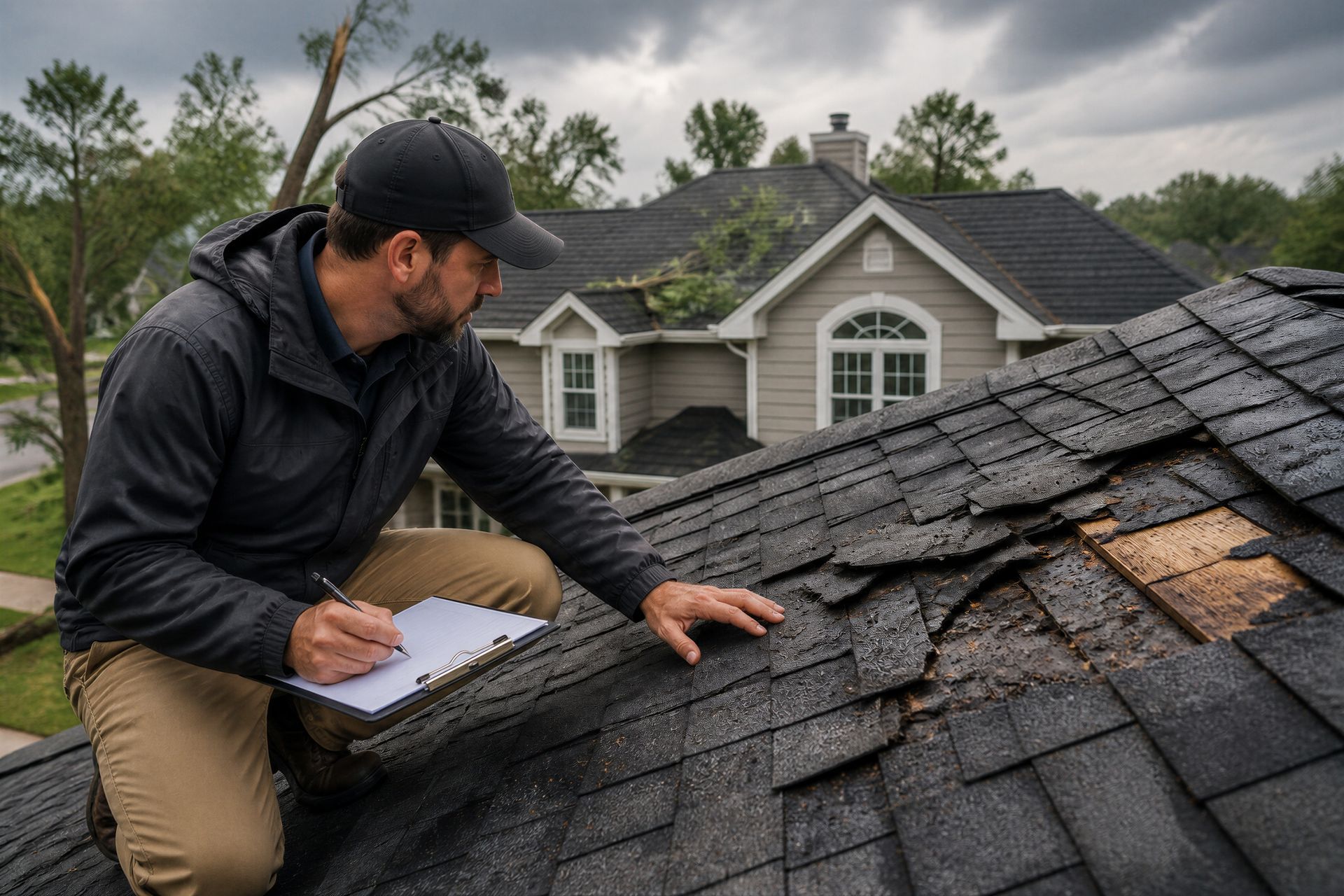
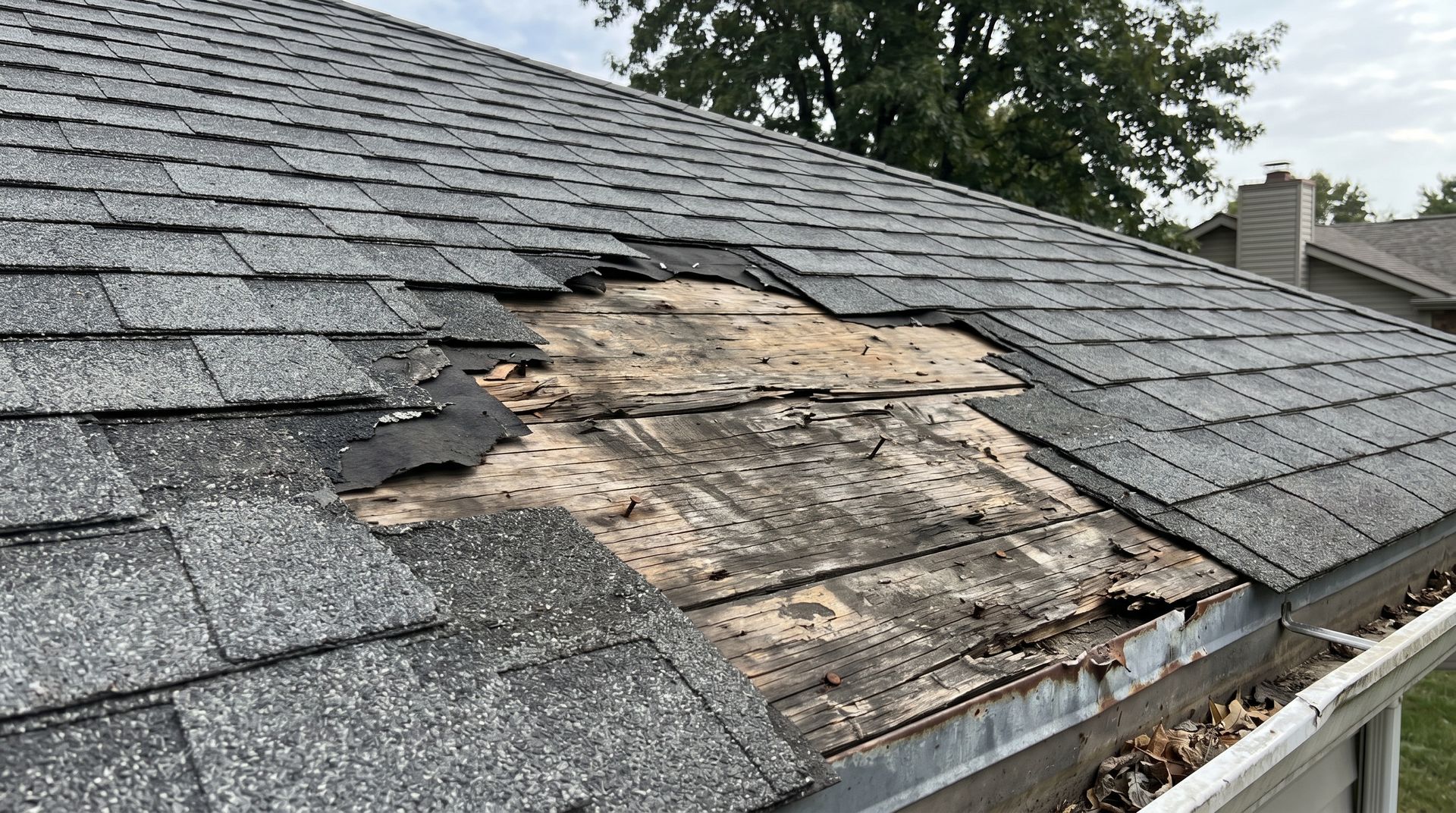
All that said, a severe storm or an accident could damage any type of roofing material, regardless of how durable or long-lasting it is. The professionals at Billy Harris Roofing have the experience and resources to expertly repair and maintain your roof, extending its lifespan and maximizing your investment.
Our Experienced Roofers Will Replace Your Roof and Preserve Its Value With Thorough Maintenance
At Billy Harris Roofing, our job is to protect your home’s biggest investment. We pride ourselves on our ability to get the job done right the first time and work hard to ensure our customers are satisfied with effective and hassle-free service.
Trust professional roofers who have been maintaining Northern Texas roofs for over 50 years. Learn more by exploring our roofing services or call (817)-249-3338 to receive a free estimate from our experienced roofing contractors